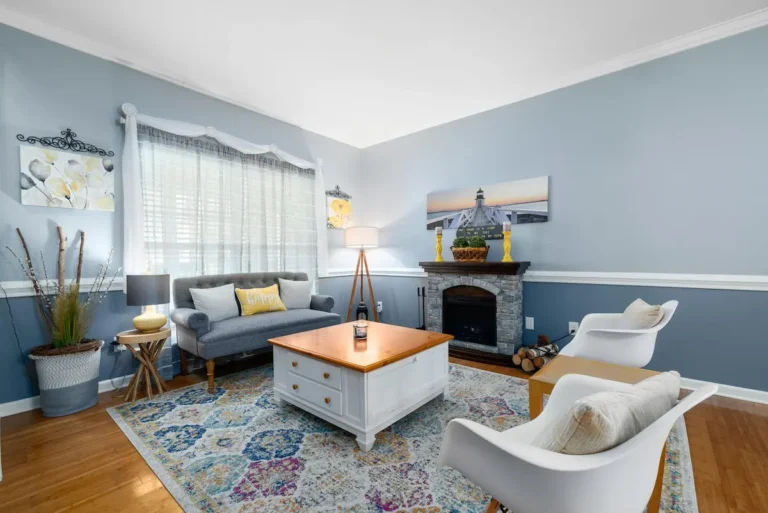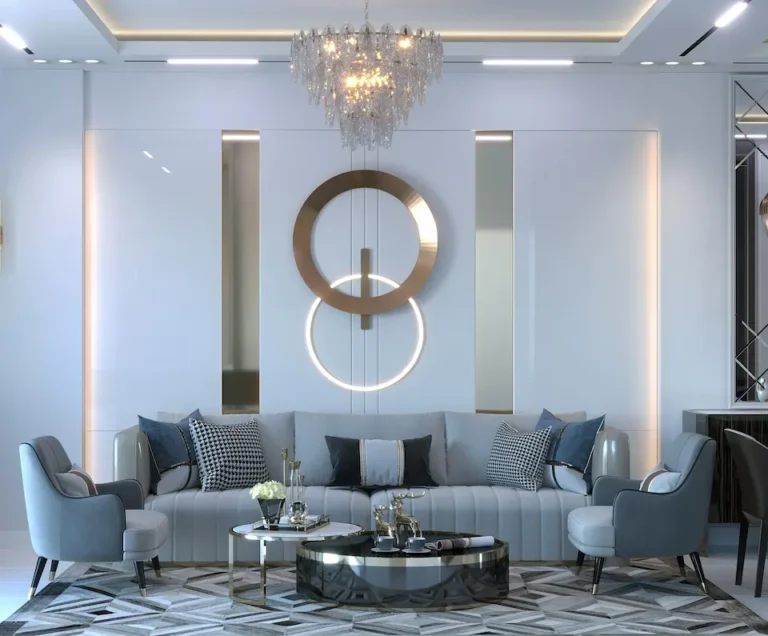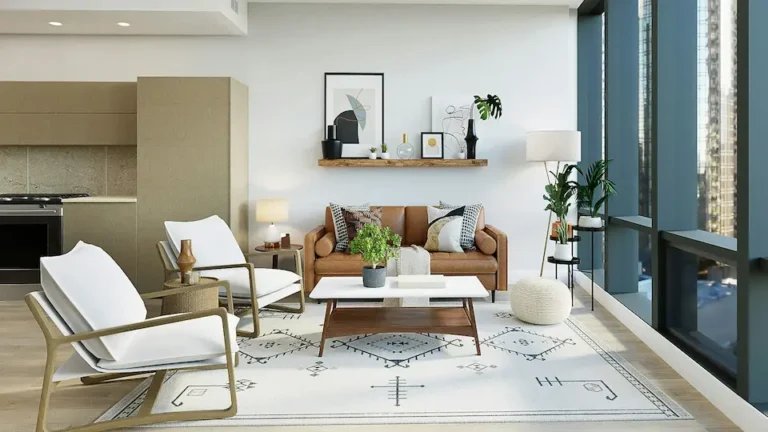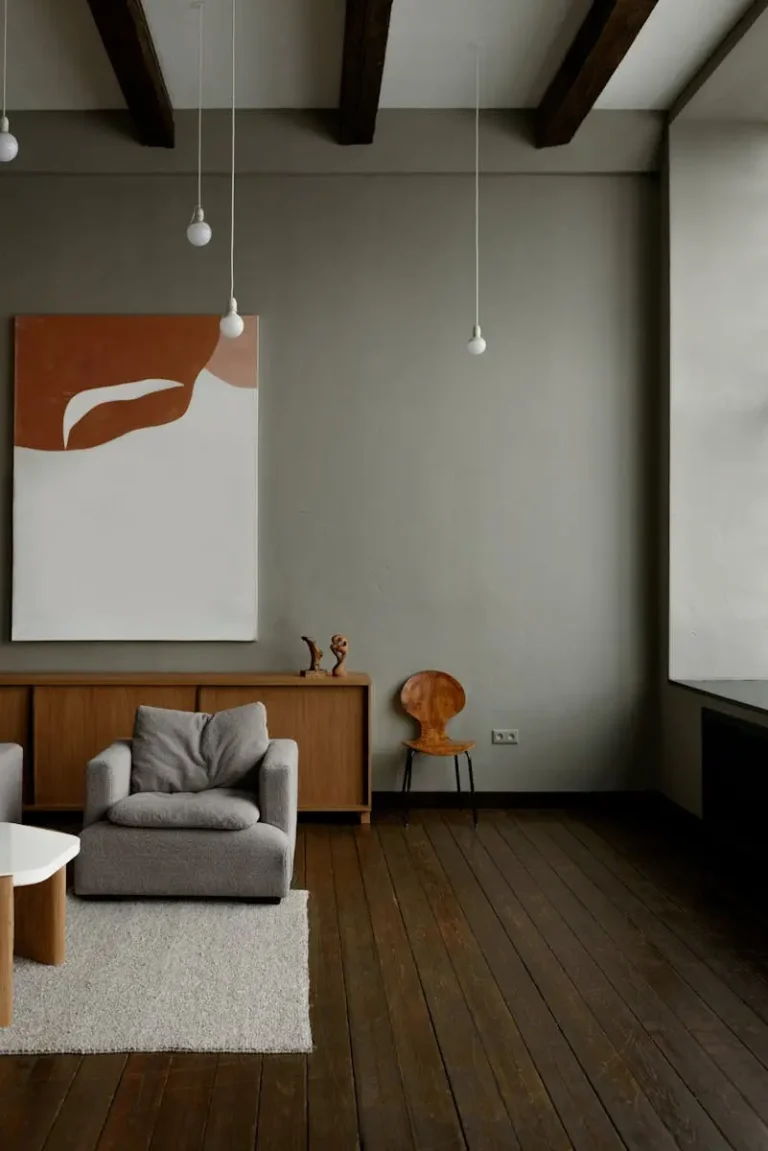
The Living Room Decor Matrix: From Inspiration to Implementation
If you feel like your living room never looks as good as Pinterest, you’re not alone. Those photos are usually shot in perfect daylight, with perfectly proportioned rooms and no kids’ toys, no weird radiators, no random columns in the middle of the wall.
Real homes have awkward corners and budget limits. That’s exactly why I like to use something I call The Living Room Decor Matrix: a way of thinking that combines three things:
- Your room shape
- Your life stage and lifestyle
- Your chosen aesthetic
Once you plug your space into that matrix, modern living room ideas stop feeling abstract and start becoming actual decisions: where the sofa goes, which rug size to buy, what to do with that strange corner by the window.
In my experience, the best living rooms are rarely the most expensive. They’re the most intentional. Let’s build yours that way.
How to Choose Decor Based on Your Room Shape
Before you worry about cushions and coffee tables, you need a layout that works. Most living room layout ideas fall apart because people ignore the room’s shape and just copy what they saw online.
Small Living Rooms: Light Legs, Vertical Lines
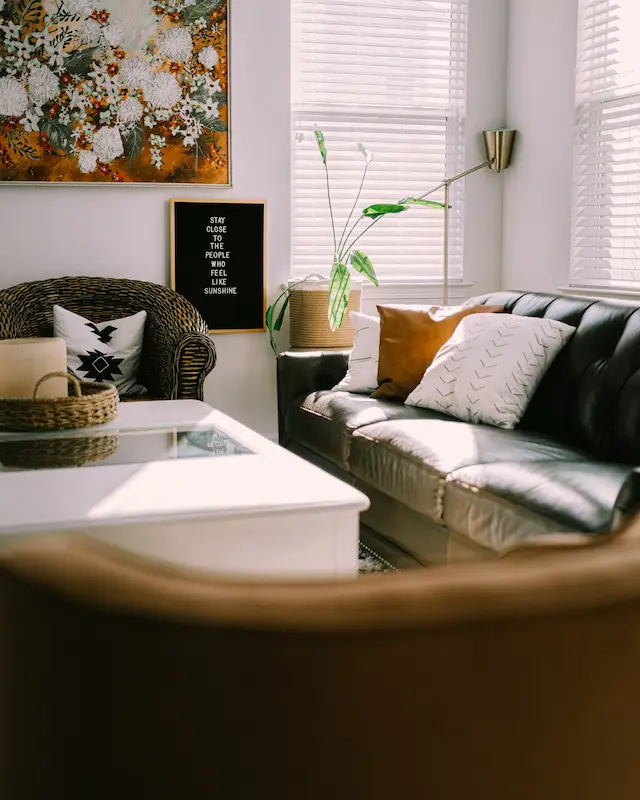
In a small living room, every piece has to help the room feel bigger, not heavier.
Key principles for small living room decor:
- Use “leggy” furniture.
- Sofas and armchairs with visible legs create more floor “air”, which tricks the eye into reading the room as lighter and more spacious.
- Avoid huge boxy sectionals that sit flat on the floor.
- Go vertical with decor.
- Hang curtains as high and wide as possible (10–15 cm above the window frame and extending beyond it) to stretch the walls.
- Use tall bookcases, floor lamps, or art stacks to draw the eye up.
- Choose a right-sized rug.
- In a small room, a too-small rug is the biggest mistake I see.
- Aim for a rug big enough that at least the front legs of the sofa and chairs sit on it.
- Limit your palette.
- 2–3 main colors plus a neutral base. Too many colors can make a small space feel chaotic.
If you only change one thing in a tiny room, make it the rug size. It instantly makes the room look more “designed” and less like leftover furniture pushed against walls.
Long and Narrow Rooms: Think in “Zones”, Not Strips
Long, narrow rooms are where people really struggle with living room layout ideas. The instinct is to push everything along the walls and leave a bowling lane down the middle. That’s exactly what we don’t want.
Instead, break the room into “conversation zones”:
- Use rugs as anchors.
- One rug under the main seating area (sofa + chairs).
- A second, smaller rug to define a reading nook, a kids’ play zone, or a desk area, depending on how you live.
- Turn furniture sideways.
- Place the sofa across the width of the room rather than along the long wall if you can.
- This visually shortens the room and makes it feel more balanced.
- Float furniture.
- Pull the sofa 10–15 cm off the wall instead of slamming it back.
- Add a narrow console table behind it if you have space – it creates a natural break between one zone and the next.
Imagine your long room as two square-ish spaces side by side, instead of one endless tunnel. That’s the mindset shift.
Open-Concept Spaces: Connecting, Not Matching
Open-concept living/dining areas look wonderful on Instagram and a bit chaotic in real life when the decor doesn’t flow.
To make open-concept work:
- Use a shared color story.
- Choose one main neutral and 1–2 accent colors that appear in both the living room and dining area.
- Example: warm greige walls, rust cushions in the living room, rust napkins or art in the dining zone.
- Change texture, not theme.
- Your modern living room ideas and dining room decor should feel like siblings, not identical twins.
- Repeat materials (like black metal, oak, rattan) across both zones, but in different ways.
- Use lighting to define zones.
- Pendant or chandelier over the dining table.
- Floor lamps and table lamps layered in the living zone.
- At night, this naturally separates each area without walls.
Open-concept is less about “one big room” and more about several spaces sharing the same language.
Living Room Decor for Every Lifestyle
Your life stage matters just as much as your floor plan. The Living Room Decor Matrix isn’t complete until we plug in how you actually live.
The Renter’s Guide: High Impact, Low Commitment
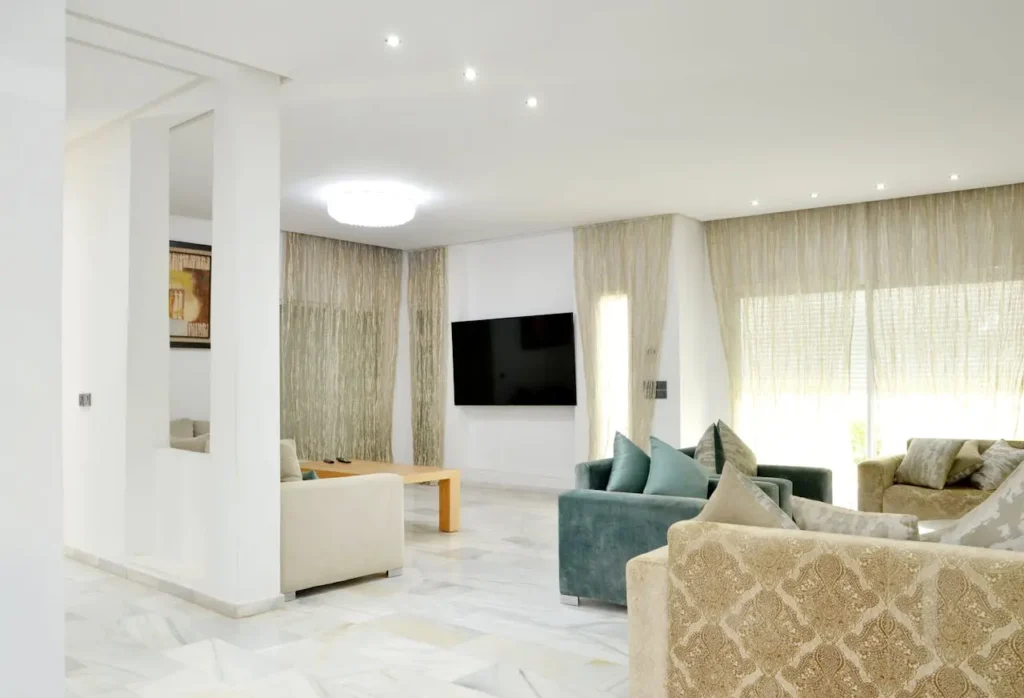
If you’re renting, you don’t have to live with builder-beige sadness. You just have to choose your battles.
Focus your energy (and budget) on:
- No-drill wall decor.
- Command strips for art, mirrors, and lightweight shelves.
- Fabric wall hangings or large canvases to cover awkward intercoms or fuse boxes.
- Statement rugs.
- A good rug can hide ugly flooring and instantly define the living area in a studio or small flat.
- I recommend a low- to medium-pile rug that’s easy to vacuum and large enough to anchor the whole seating zone.
- Oversized floor lamps.
- Because you can’t move the ceiling lights, bring in tall floor lamps to create warm pools of light.
- Look for arc lamps if you lack space for side tables.
Don’t waste money on built-ins you can’t take with you. Invest in pieces that move with you: rugs, lamps, art, and a sofa that fits various layouts.
The Pet & Kid-Friendly Living Room
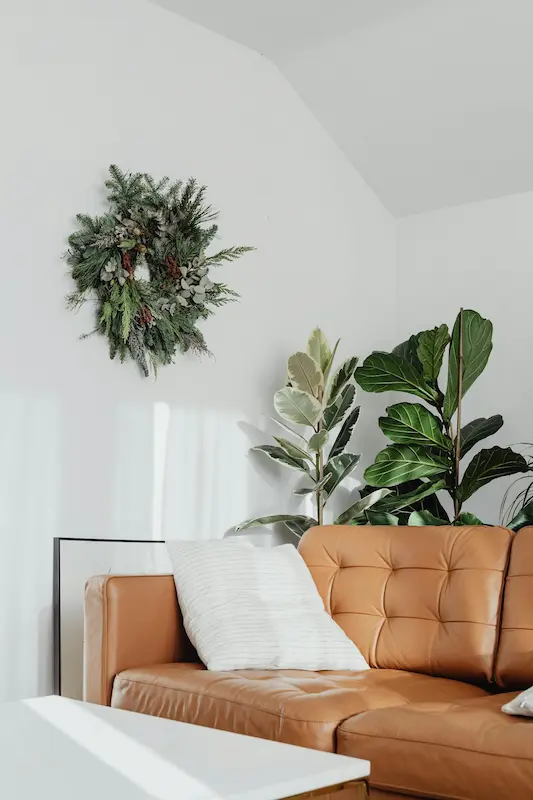
Family life doesn’t mean you have to give up on beautiful spaces. It just means you choose materials strategically.
Smart choices for stylish, real-life living rooms:
- Performance fabrics.
- Look for stain-resistant fabrics or high-quality microfiber.
- I prefer textured weaves (linen-look, boucle) over flat cotton because they hide marks better.
- Leather with patina potential.
- A mid-tone leather sofa ages gracefully and can actually look better with a bit of wear, especially in modern or rustic schemes.
- Closed storage for toys and pet gear.
- Baskets with lids, storage ottomans, low cabinets.
- My rule: everything must be resettable in five minutes. If it can’t be thrown into a basket quickly, it doesn’t belong in the living room.
- Rounded corners where possible.
- Round coffee tables or upholstered ottomans are kinder to shins and small foreheads.
You’re not designing a showroom; you’re designing a room that still looks good after a normal Tuesday.
The WFH Hybrid: Integrating a Workspace
If your living room also has to be your office, the goal is to hide the “office” feeling when you’re off the clock.
How to integrate a workspace without ruining the vibe:
- Use a “furniture” desk.
- Choose a slim console or writing desk that looks like part of the decor, not a corporate workstation.
- Visually separate with a rug or lighting.
- A small rug under the desk or a dedicated desk lamp creates a mini-zone without walls.
- Hide the office clutter.
- Use a lidded box or a basket for laptop, cables, notebooks when work is done.
- In my experience, this is what actually keeps the living room feeling like a relaxing space.
- Backdrops matter.
- If you’re often on calls, treat the wall behind you as part of the decor plan: art, shelves, or a simple clean wall in a flattering color.
Think of your workspace as a guest that uses the living room during the day but politely disappears at night.
Choosing Your Aesthetic: Modern, Boho, or Transitional?
Once you’ve figured out your layout and lifestyle needs, the last part of The Living Room Decor Matrix is your style lane. Most people sit somewhere between these three big aesthetics.
Modern Living Room Ideas: Quiet, Clean, Considered
Modern doesn’t mean cold. In 2026, modern living rooms are more about quiet luxury than glossy chrome and black leather.
Key moves:
- Clean lines, soft edges.
- Low-profile sofas, slim arms, simple coffee tables with rounded corners.
- Monochromatic palettes.
- Layers of greige, taupe, stone, and soft black rather than many competing colors.
- Add depth through texture rather than busy patterns: wool rugs, linen cushions, boucle chairs.
- Sculptural lighting.
- A single strong ceiling fixture plus beautiful table lamps and floor lamps.
- Think of lighting as jewelry for the room.
Modern works best when you edit hard. If you’re a natural collector, you might feel better in a soft boho or transitional space.
Boho Living Room Decor: Layered, Collected, Green
Boho is about warmth, ease, and a slightly “collected over time” feel, not chaos.
Key moves:
- Biophilic design.
- Plants, plants, plants. Mix floor plants, trailing plants on shelves, and small table plants.
- Use woven or terracotta pots to keep it cohesive.
- Textile layering.
- Patterned rugs, textured cushions, throws with tassels or fringe.
- Mix patterns, but keep them in a shared color family so it feels intentional.
- Natural materials.
- Rattan chairs, jute rugs, wood coffee tables, woven baskets.
A good boho living room feels relaxed and welcoming, not messy. If you’re going this route, still give yourself structure with a solid rug and a clear furniture layout.
Transitional Living Room: The Best of Old and New
Transitional style is what many people are doing without realizing it: mixing classic pieces with modern ones.
Key moves:
- Blend heirlooms with clean-lined basics.
- A vintage wooden sideboard with a modern sofa.
- An antique chair upholstered in a simple, updated fabric.
- Balanced color palette.
- Soft neutrals with 1–2 accent colors that repeat in art, cushions, and rugs.
- Updated details.
- Replace dated hardware, lamps, and rugs while keeping larger traditional pieces like a solid wood coffee table or classic armchair.
Transitional is ideal if you have family pieces you don’t want to lose, but also love modern touches.
Budget-Friendly Decor Hacks That Look High-End
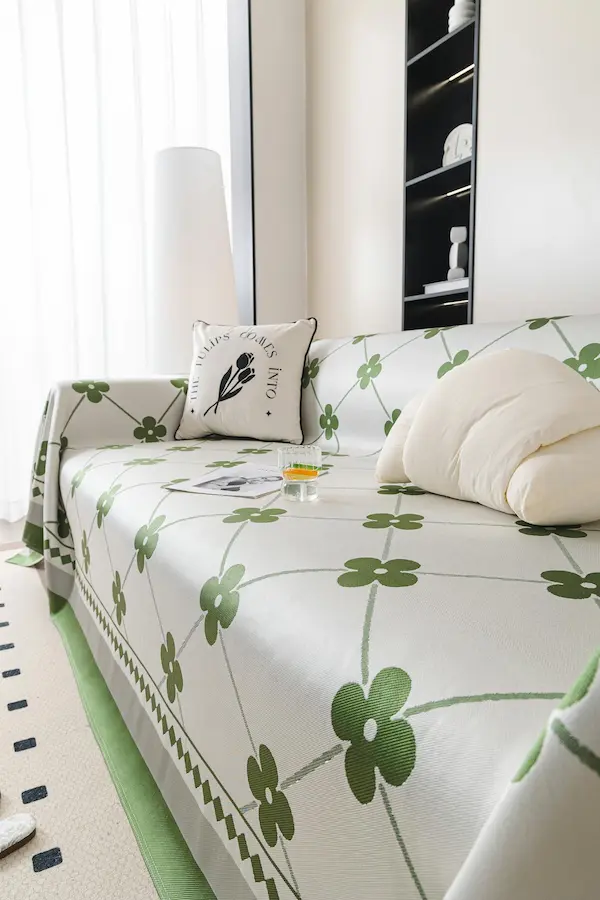
You do not need a designer budget to get a high-end feeling. You just need to know where to fake it and where not to.
High-End Look for Less: Comparison Table
| Design Goal | Designer Approach | Look-for-Less Strategy I Recommend |
|---|---|---|
| Built-in shelving around TV | Custom carpentry, thousands in labour | IKEA Billy bookcases with trim and paint to match walls |
| Statement lighting | Designer-brand chandelier | Simple metal frame light upgraded with great bulbs and dimmer |
| Luxury cushions | Branded cushions at €80+ each | Buy good inserts and use affordable linen covers from online shops |
| Large art piece | Gallery or original artwork | DIY large canvas with textured paint in your palette |
| Coffee table upgrade | Solid marble or custom wood | Second-hand table sanded and refinished in a matte stain |
In my experience, scale matters more than label. A large, simple, well-proportioned piece almost always looks more expensive than a small, fussy one, even if it cost less.
The 5-Point Decor Audit
Before you call the room done, run it through a quick technical check. This is where most modern living room ideas fail in execution.
1. Lighting: Do You Have Layers?
You want:
- Ambient light: ceiling fixture or evenly spaced downlights.
- Task light: reading lamps by sofas or chairs.
- Accent light: wall lights, picture lights, or a small lamp on a console.
If your living room only has “the big light” in the ceiling, that’s the first fix. Aim for 2700K bulbs for a warm, cozy feel.
2. Rug Scale: Are the Front Feet on the Rug?
Rugs anchor the room. Use this rule:
- Sofa front legs on the rug.
- Armchair front legs on the rug if possible.
If your rug floats in the middle like a bathmat, size up. It will make the whole room feel more intentional.
3. Window Treatments: Hung High and Wide?
To visually increase ceiling height and window size:
- Hang the curtain rod close to the ceiling, not directly above the window frame.
- Extend the rod wider than the window, so curtains don’t block the glass when open.
This works in small and large living rooms and costs almost nothing extra.
4. Wall Art: Is It at Eye Level?
Use the classic rule: the center of your artwork should sit around 145 cm (57 inches) from the floor.
- Art hung too high makes the room feel disjointed.
- In a gallery wall, keep consistent spacing between frames (around 5–8 cm).
5. Greenery: Right Plant, Right Light
Plants finish a room in a way nothing else does.
- Low light: snake plant, ZZ plant.
- Medium light: pothos, rubber plant.
- Bright indirect: fiddle leaf fig, olive-style trees.
Choose one or two larger plants over many tiny ones. They feel calmer and less cluttered.
Frequently Asked Questions
How do I decorate a living room on a small budget?
Start with layout, then focus on three things:
- Rug: Buy the largest rug you can afford.
- Lighting: Add at least one floor lamp and one table lamp with warm bulbs.
- Textiles: Update cushions and throws in a cohesive palette.
Skip expensive tiny decor and invest in these bigger impact pieces.
What are the best colors for a living room with low natural light?
For low light, I prefer warm, mid-tone colors over stark white, which can look dull and grey. Think:
- Warm greige
- Soft taupe
- Gentle mushroom
- Deep, cozy shades like olive or ink blue if you want a cocoon effect
Pair them with warm bulbs (around 2700K) and plenty of lamps.
How do I choose the right size rug for my living room?
Measure your seating area, not the whole room.
- The rug should at least cover the entire area where your sofa and chairs sit.
- Ideally, front legs of all main seating pieces sit on the rug.
- Leave a border of floor around the rug (15–30 cm from the walls).
If you’re between sizes, go bigger.
What is the 60–30–10 rule in decor?
It’s a simple way to balance color:
- 60%: main color (usually walls + big pieces like the sofa or rug).
- 30%: secondary color (accent chairs, curtains, additional textiles).
- 10%: accent color (cushions, art, smaller decor details).
You can apply the 60–30–10 rule directly inside The Living Room Decor Matrix: once you know your layout, life stage, and aesthetic, choose your 60–30–10 palette and let it guide every purchase.
If you use the Living Room Decor Matrix as your lens – room shape, lifestyle, aesthetic – you’ll stop fighting your space and start working with it. Pick your shape, pick your scenario, pick your style lane, and then make one intentional change at a time. That’s how real living rooms start to look like the mood boards you’ve been saving.