Multi Functional Furniture for Small Spaces: Pieces That Actually Earn Their Rent
In a small home, every piece of furniture is either paying rent or wasting it.
If it only does one job, takes up floor space, and creates visual clutter, it is working against you. The real magic happens when you start choosing multi functional furniture for small spaces that can sleep, seat, store, and serve without demanding an extra square meter.
In this guide, I want to walk you through the pieces that genuinely change how you live day-to-day: wall beds that double as desks, console tables that quietly expand into full dining setups, and coffee tables that turn into solid workstations instead of wobbly laptop stands. Along the way, I’ll point out which “transformer” designs I would actually buy for a small space, and which ones feel clever on TikTok but annoying in real life.
The “Sleep/Work” Split: Murphy Beds with Integrated Desks
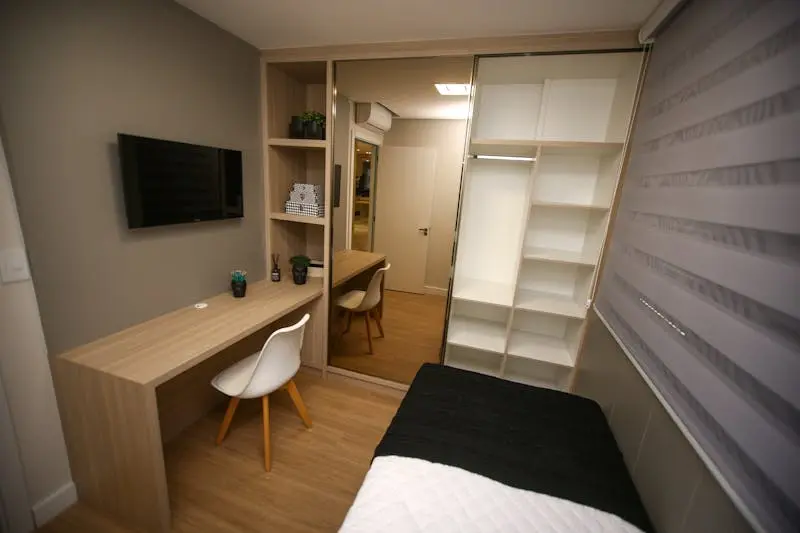
If you live in a studio or use your bedroom as a home office, your biggest challenge is usually psychological: how do you stop feeling like you sleep at your desk and work in your bed?
A good wall bed with a built-in desk solves that in one move.
The problem is that most blogs stop at “buy a Murphy bed with a desk” and never mention the details that matter in daily use. For a small space, the questions I care about are:
- Can the bed fold down without clearing the entire desk?
- Can you leave monitors, a lamp, and cables plugged in?
- Does the desk stay level as the bed moves, or does everything slide off?
What to Look for in a Desk-Integrated Murphy Bed
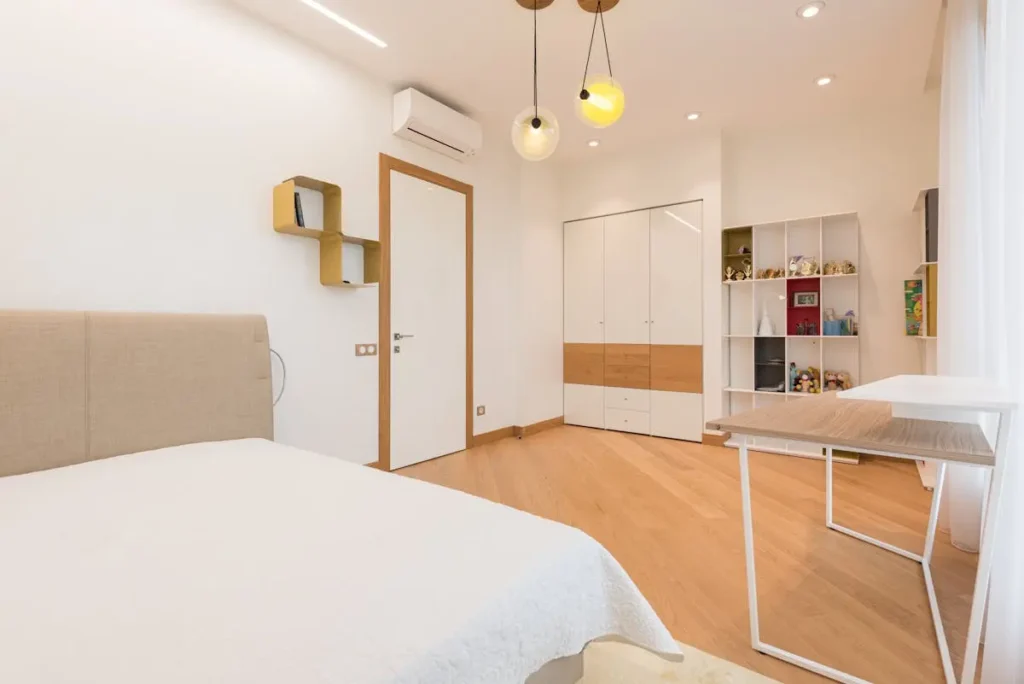
When you’re comparing models (or working with a carpenter), use this as your practical checklist:
- Floating desk mechanism:
The best designs use a hinged or sliding desk that stays horizontal as the bed lowers. You want to be able to leave a monitor, keyboard, and pen cup in place. - Depth when closed:
For tight rooms, aim for a cabinet depth of 40–50 cm (16–20 inches). Any deeper and it starts to feel like a wardrobe shoved into the room. - Cable management:
Look for discreet cable cut-outs or a simple channel at the back of the desk. In my experience, this matters more than fancy trim; messy cables instantly ruin the “calm” you just paid for. - Mattress thickness:
If you plan to sleep on it every night, a 20–25 cm mattress is the sweet spot. Thinner mattresses feel like camping; thicker ones can interfere with the folding mechanism.
The Real-Life Stress Test
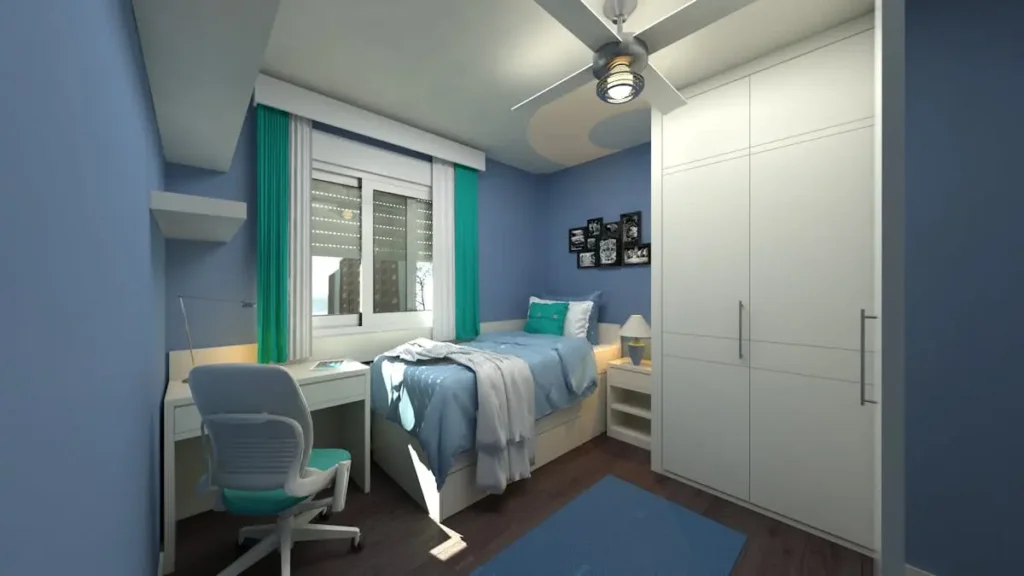
When you visit a showroom or watch videos, imagine this scenario:
You finish work at 10 pm, you are exhausted, and you want to go from laptop to bed in under two minutes.
You should be able to:
- Close your laptop and slide it into a drawer or a small shelf.
- Release two latches.
- Pull the bed down in one smooth motion.
No unplugging a maze of cables. No removing your monitor. No moving a dozen decor pieces into a basket every single night.
If the bed requires a nightly “reset” ritual, I would treat it as a guest bed, not a daily sleeper. In that case, a high-quality sofa bed designed for daily use might suit you better: look for ones with:
- A genuine mattress (not just folded seat cushions).
- A smooth pull-out mechanism you can operate with one hand.
- Removable, washable covers.
For everyday sleeping, you should never feel like you’re wrestling camping gear inside your own living room.
The “Expandable” Host: Console Tables That Become Dining Tables
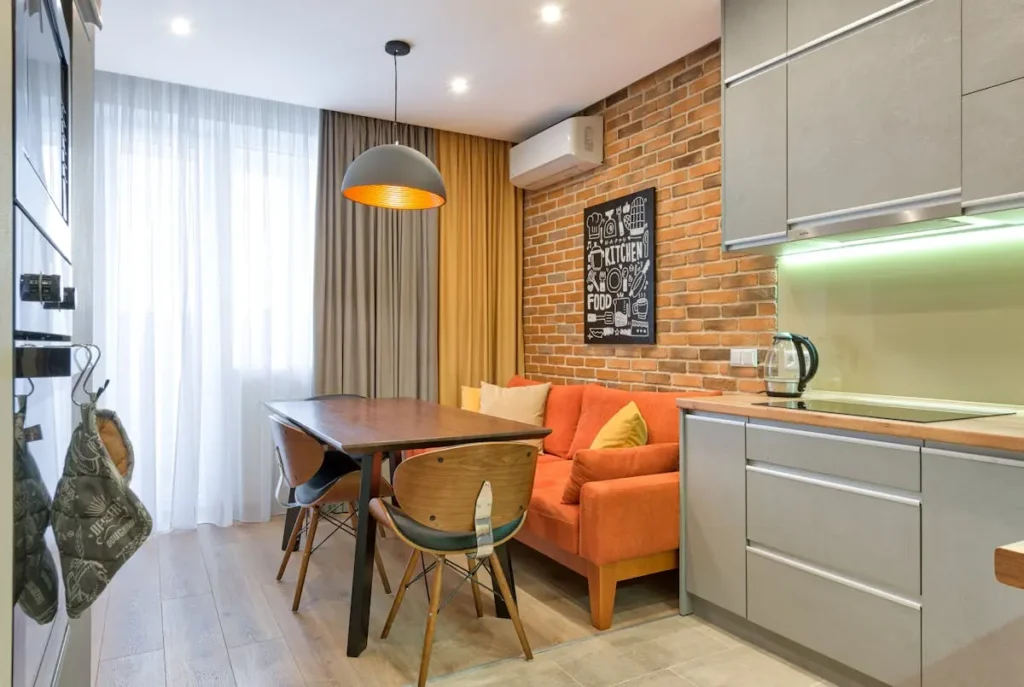
If you like hosting but live in a one-room or open-plan space, you’ve probably had this thought: “I wish my dining table could disappear when I’m alone.”
That’s where expanding dining table consoles earn their keep. On a normal day, they behave like a slim console behind the sofa or along a wall. When guests come over, they extend into a full dining table for six, eight, or even ten people.
The trick is finding one that doesn’t wobble like a card table once it’s fully extended.
Key Measurements to Check
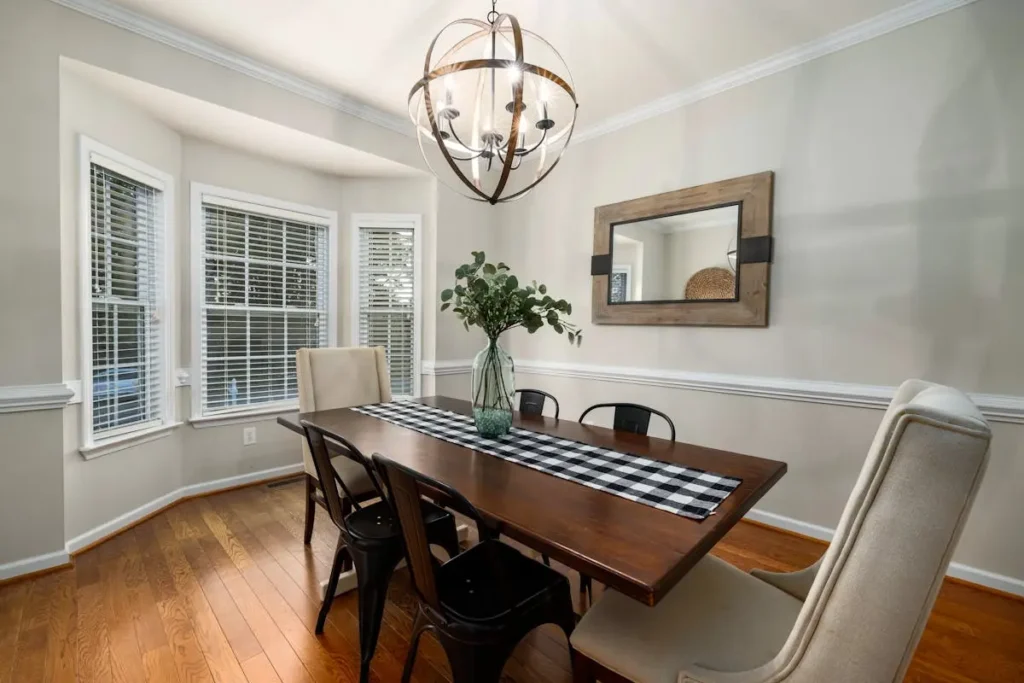
When you’re shopping, focus less on fancy finishes and more on structure:
- Console depth (closed):
Ideally 35–45 cm (14–18 inches). Deep enough to be useful, shallow enough not to block circulation. - Full extension length:
For 4–6 people, aim for at least 140–160 cm (55–63 inches).
For 8–10 people, you want 200–240 cm (79–95 inches). - Leg configuration:
Centre pedestal or sliding support legs tend to be more stable than a single pair of end legs.
The Wobble Test (Do This Before You Buy)
Don’t be shy about testing the structure:
- Extend the table fully.
- Press firmly down on each corner.
- Try a gentle side-to-side shake.
You’re looking for a solid, low-flex feel. Some micro-movement is normal on modular furniture, but if you feel like plates would rattle every time someone leans on the table, keep looking.
In my experience, it’s better to buy a simpler console that extends to seat 4–6 people comfortably and safely than a cheap “seats 10” version that wobbles and stresses you out every time someone cuts into a steak.
Styling the Console in Daily Life
On normal days, treat it as a styled surface, not a storage shelf:
- A shallow tray for keys and mail
- A slim table lamp for soft evening light
- One stack of books or a small plant
You want to clear it in under a minute before extending, so don’t overload it with decor that needs relocating to a different room.
Hidden Tech: Coffee Tables That Lift into Work Desks
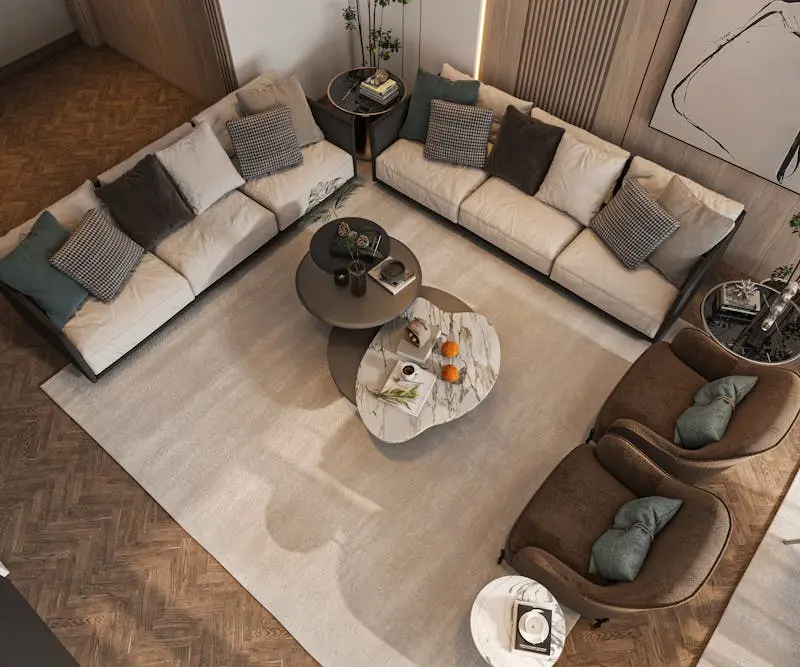
Lift-top coffee tables get a bad reputation because many early designs felt flimsy and toy-like. Used wisely, they are one of my favorite multi functional furniture for small spaces pieces, especially for studio apartments and TV rooms that double as home offices.
They can:
- Bring your laptop to ergonomic height.
- Hide remotes, chargers, and notebooks.
- Double as a compact dining table for one or two people.
But again, the mechanism is everything.
What Makes a Good Lift-Top Coffee Table
Here’s what I recommend you look for:
- Counterbalanced metal hinges:
Avoid models that feel springy or too light. You want a smooth, controlled lift that stays in place even if you lean slightly on the surface. - Side stability:
With the top lifted, gently press on the left and right edges. If it sways more than a centimetre or two, it will feel unstable when you write or type. - Soft-close feature:
This is not essential, but very nice to have. A controlled, soft-close reduces finger pinching and makes the piece feel more high-end. - Internal organization:
Shallow interior compartments help keep the inside from turning into a dumping ground. I prefer one larger section for laptop and notebooks and one smaller zone for remotes and chargers.
Where Lift-Top Tables Work Best
They shine in:
- Tiny living rooms where there’s no space for a separate desk.
- Rental spaces where you can’t alter the layout but want a flexible work surface.
- Family rooms where homework, snacks, and TV all happen in the same zone.
As always, be honest with yourself: if you mostly use your sofa for relaxing and rarely work there, a simple, lower coffee table with hidden storage might suit you better. Multi-functional does not mean you must use every function all the time; it just means the option is there when your lifestyle demands it.
Verdict: What’s Essential vs. Gimmick in a Small Space
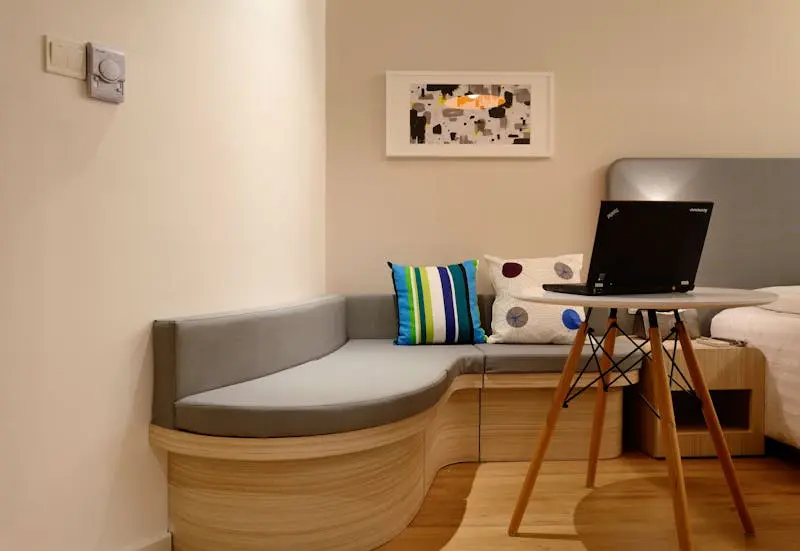
Transforming furniture is seductive. The internet is full of pieces that spin, flip, and fold in twelve directions. The question I always ask is simple: “Will you actually use all those modes, or will you default to just one?”
Here’s how I break it down with clients.
Generally Worth It in Small Spaces
These pieces usually earn their keep if you choose well:
- Murphy beds with desks
Game-changers in studios and guest rooms that double as offices, especially when the desk stays usable with the bed down. - Console-to-dining tables
Ideal if you host occasionally but don’t want a permanent dining table dominating your living area. - High-quality sofa beds for daily use
If your living room is also your bedroom, a genuinely comfortable sofa bed with a proper mattress is a better long-term investment than a cheap couch plus a bad wall bed. - Lift-top coffee tables with solid mechanisms
Great for people who work from the sofa or eat most meals in the living space.
Situational Wins
These can be brilliant in specific layouts or lifestyles:
- Storage ottomans and benches at the end of the bed or under windows.
- Nesting side tables that expand when guests visit and tuck away when you’re alone.
- Modular shelving with hidden cabinet doors you can rearrange as your life changes.
If you like to rearrange your space seasonally, modular pieces give you more flexibility than hyper-specialized transformers.
Often More Gimmick Than Help
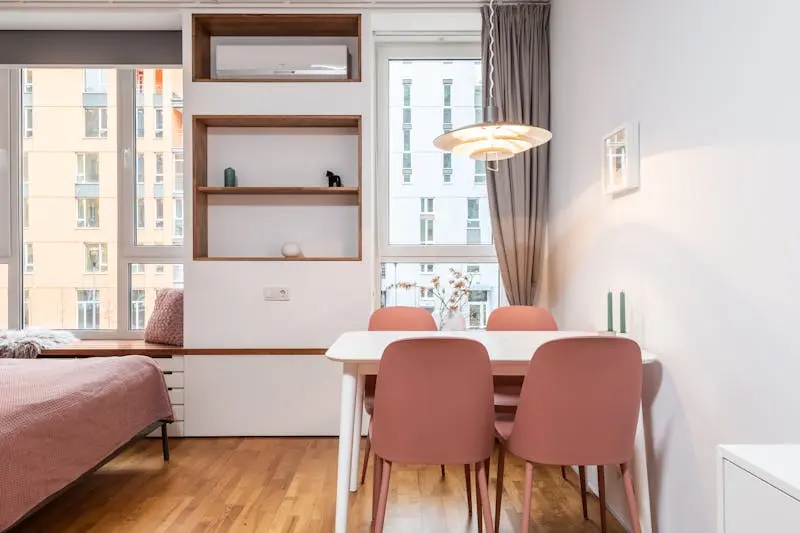
I’m generally cautious about:
- Pieces that transform in three or more ways but require a full choreography every time you use them.
- Very thin, cheap mechanisms that feel fragile from day one. If it feels delicate in a showroom, it won’t magically get stronger at home.
- Furniture that only works in one very specific position and becomes useless if you move homes or change layout.
In small spaces, reliability and ease of use are just as important as clever design. If you have to “think” every time you convert the furniture, you’ll stop using its extra functions within a month.
How to Choose Multi Functional Furniture Without Regrets
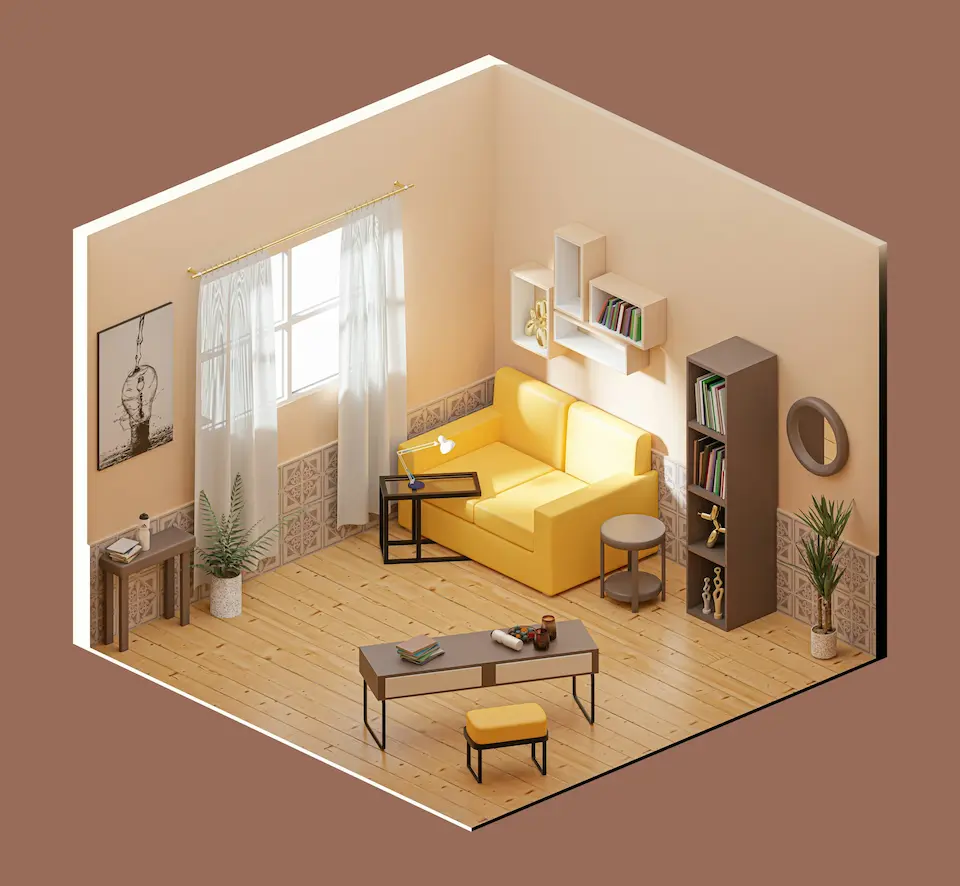
If you’re feeling overwhelmed, here’s the decision filter I use:
- Start with your bottleneck.
Is your main tension around sleeping, working, eating, or storing? Your first multi-functional piece should solve your biggest pain point, not just look clever. - Count the daily transitions.
If a piece has to transform twice a day (bed to desk, console to table), the mechanism must be absolutely smooth. If it’s for weekly or monthly use, you can accept a little more effort. - Test the “two-minute rule.”
You should be able to switch modes in under two minutes without moving half the room around. - Check the footprint in every mode.
Measure carefully, especially for expanding dining consoles and sofa beds. Make sure doors can still open and circulation paths stay clear. - Prioritize calm over spectacle.
In small spaces, clean lines, neutral finishes, and hidden hardware make a bigger difference to how you feel day-to-day than flashy mechanisms.
If you tell me a bit about your current layout (studio, one-bedroom, open-plan) and what frustrates you most right now, I can help you shortlist exactly which multi functional furniture pieces are worth considering and which ones you can skip.