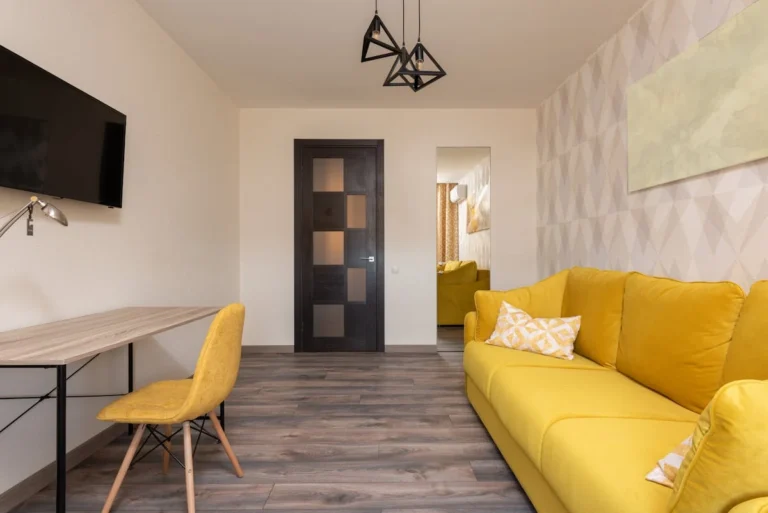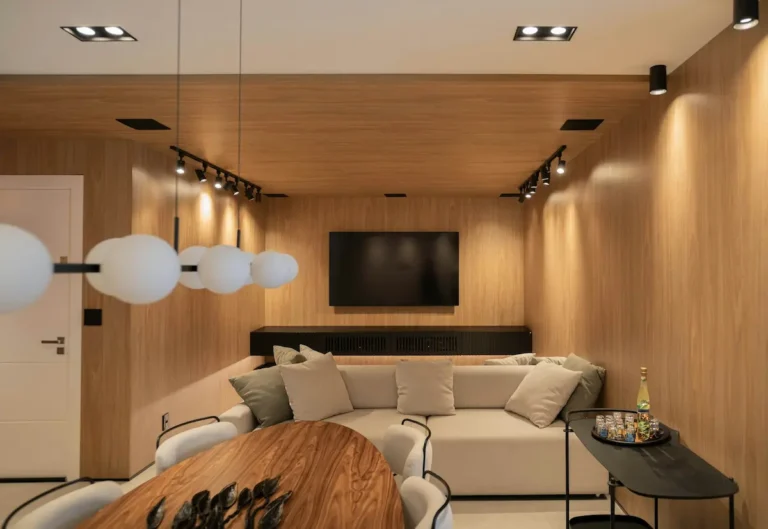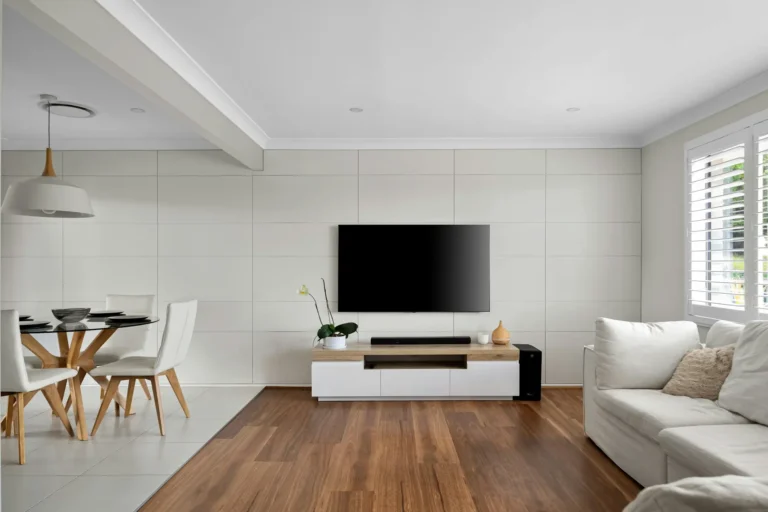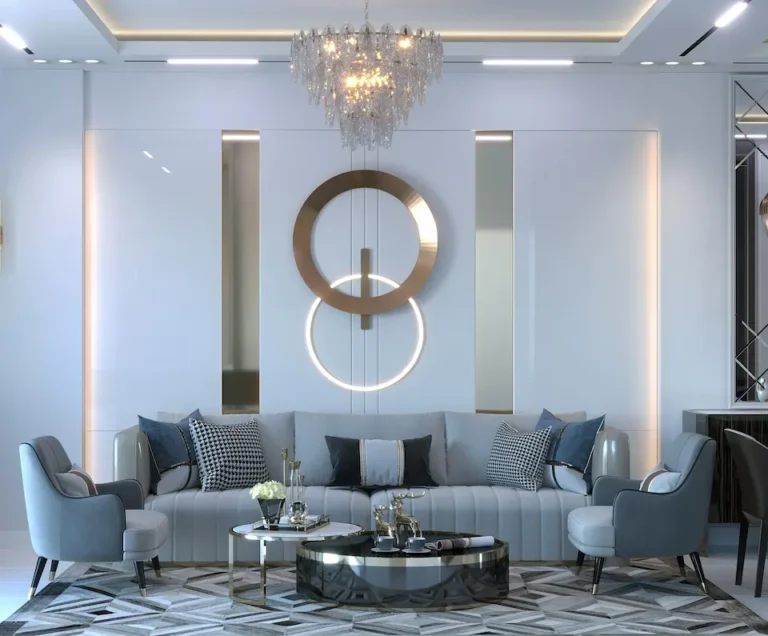
floor lamp for your living room
Choosing a floor lamp for your living room sounds simple… until you realize the wrong one can glare on the TV, wobble when the cat walks by, and make your room feel smaller instead of cozy.
Let’s fix that.
In this guide, I’ll walk you through the main types of floor lamps for a living room, where to put them, what’s actually trending in 2026, and a simple checklist to use before you hit “Buy now”. I’ll also touch on arc floor lamp styling and the new wave of cordless floor lamps that finally look design-worthy.
The 5 Types of Floor Lamps (And Where to Put Them)
Think of this as your quick visual menu when you’re planning lighting in a living room.
1. The Arc Lamp
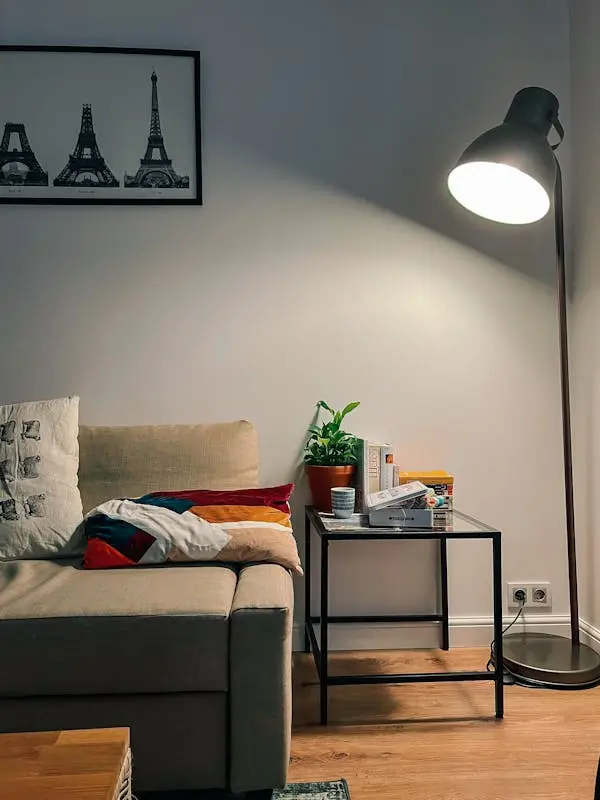
- Best for: Floating over sofas, sectionals, or a reading chair.
- Why it works: It pulls light into the center of the room without needing an overhead fixture.
- Where to put it:
- Tucked behind the corner of a sectional so the shade lands roughly over the coffee table.
- Beside a single armchair to create a dramatic reading nook.
- Styling tip: Keep the arc high enough that people can walk under it comfortably. Aim for at least 200 cm total height in most rooms.
2. The Torchiere Floor Lamp
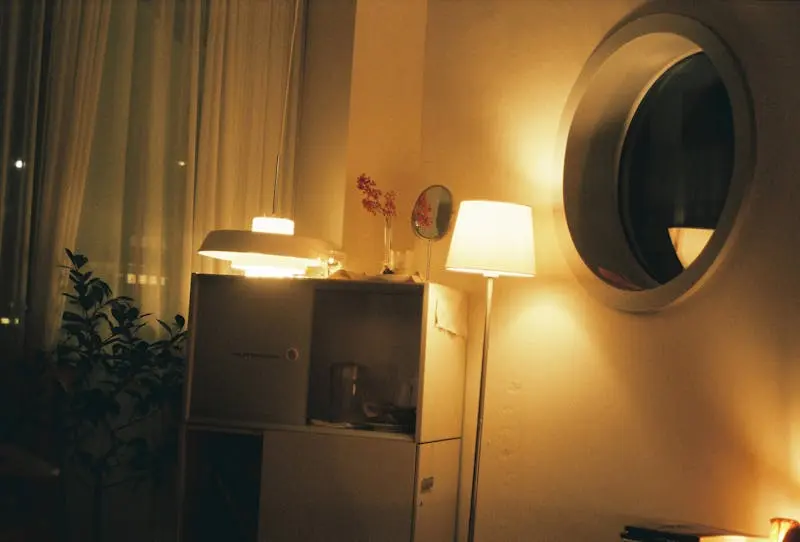
- Best for: Small living rooms or dark corners.
- What it does: Throws light upward to bounce off the ceiling and softly wash the room.
- Where to put it:
- In a corner behind the sofa when you don’t have ceiling wiring.
- Near a TV wall if you want ambient light without glare.
- My take: A good torchiere can replace harsh ceiling lights and instantly soften the room.
3. The Club / Standard Floor Lamp
- Best for: Everyday living rooms, next to sofas or accent chairs.
- Look: Straight pole with a shade on top. Simple, timeless.
- Where to put it:
- Just behind or beside the arm of a sofa.
- Between two chairs to share one light source.
- Eye-level rule: When you sit down, the bottom of the shade should be around eye level (roughly 100–105 cm from the floor).
4. The Pharmacist / Task Floor Lamp
- Best for: Reading corners, craft spots, or working on a laptop.
- Look: Adjustable arm or neck, often with a smaller metal shade.
- Where to put it:
- Slightly behind and to the side of your shoulder so the light hits the page or keyboard, not your eyes.
- Bonus: If your living room doubles as a home office, one task lamp can make a big difference in eye strain.
5. The “Totem” Floor Lamp (Sculptural)
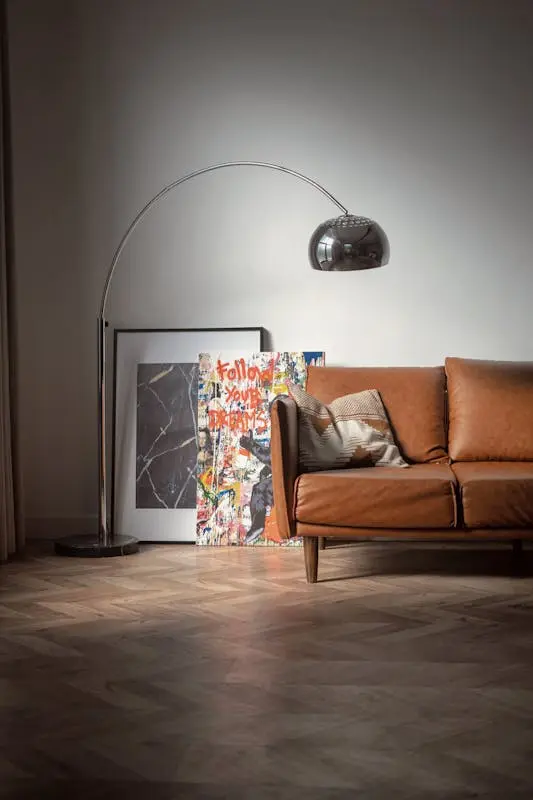
- Best for: Mood lighting and visual interest.
- Look: Think of these as slim sculptural pieces that glow rather than traditional lamps with a shade.
- Where to put it:
- In an empty corner that feels “dead”.
- Next to a console or sideboard to balance visual height.
- Tip: Treat it like functional art. It should look good even when turned off.
Mastering Scale & Placement
This is where most living rooms go wrong. The lamp is fine, the placement isn’t.
The Eye-Level Rule
Your goal is soft light without seeing the bulb directly.
- When you’re seated, the bottom edge of the shade should line up roughly with your eyes.
- In numbers, that’s usually around 100–110 cm from the floor for the shade bottom in most standard sofas.
- If the lamp is too tall, you’ll see the bulb and get glare. Too low, and it feels squat and heavy.
I always recommend checking this before you commit: sit where you actually watch TV or read and visualize where that shade will land.
The Sectional Solution (Arc Lamp Clearance)
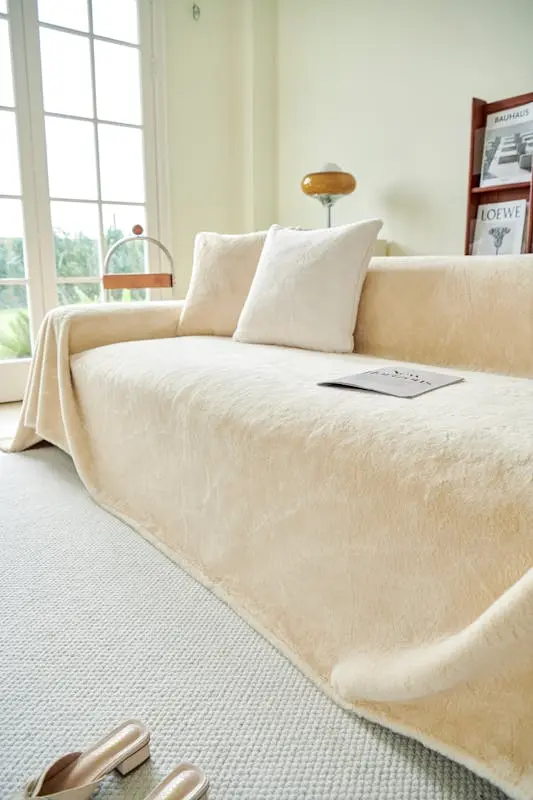
Arc lamps are amazing over sectionals, but they can also be a forehead hazard if you’re not careful.
- Aim for the lowest point of the arc to be at least 190–200 cm off the floor.
- Place the base slightly behind the back of the sofa, not right beside the seat cushion. This keeps the pole out of the way of walking paths.
- Over a chaise, make sure the shade hangs closer to the middle of the chaise, not the edge where people sit up.
If your ceiling is low (under 240 cm), I usually recommend a more compact arc with a shallower curve instead of an exaggerated arch.
The TV Glare Check
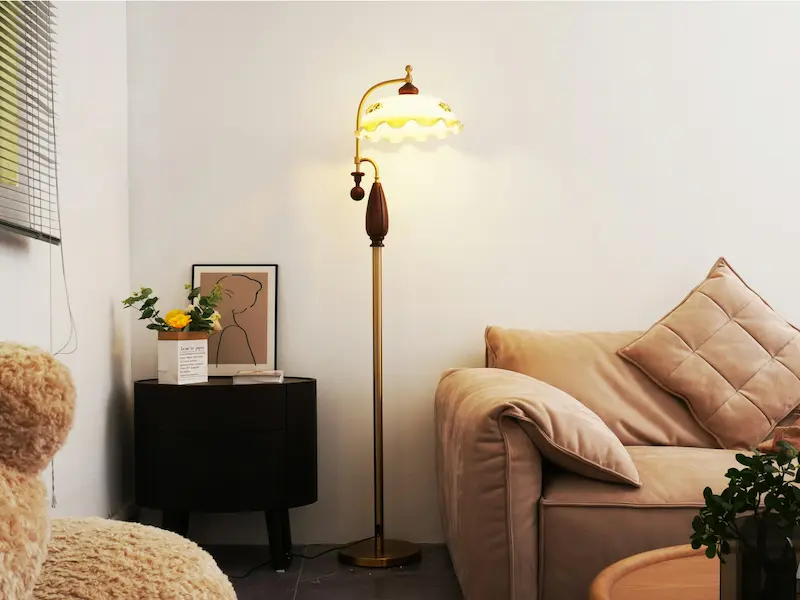
Nothing ruins a movie night like a lamp perfectly reflected in the screen.
Simple test:
- Sit in your usual TV spot.
- Turn on the lamp.
- If you can see the light source in the TV, move the lamp behind you or further to the side.
Good placements:
- Behind the sofa, slightly off-center from the TV.
- In a back corner, bouncing light off the wall rather than shining directly across the screen.
What’s New in 2026? Floor Lamp Trends to Know
Trends come and go, but these are the ones I’d actually put in my own living room right now.
1. The “Nomad” Revolution: Cordless Floor Lamps
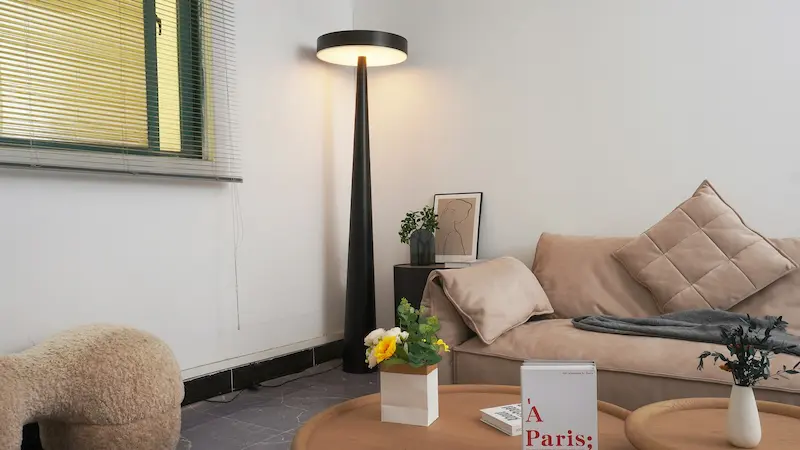
Rechargeable floor lamps have finally grown up. They’re no longer flimsy lanterns.
- Many models now run 8–20 hours on a charge.
- Perfect for rentals where outlets are in the wrong place or you hate cords trailing under the rug.
- I like them for behind a sofa that floats in the middle of the room.
If you go this route, look for:
- Replaceable bulbs (standard E27/E26 socket).
- USB-C or magnetic charging (less fiddly than old DC plugs).
2. Mixed Materials
Think marble base + linen shade, or metal pole + paper shade.
- The base anchors the piece visually and physically.
- The shade material sets the mood: linen for soft diffusion, paper for a very gentle glow.
This kind of contrast looks “designer” without being loud.
3. Sculptural “Totem” Lamps
These are tall, column-like lamps that double as decor.
- Ideal if your living room feels too boxy and you need some vertical rhythm.
- They work especially well in minimalist or modern spaces where you don’t want a lot of small decor objects.
Look for simple, abstract forms rather than anything figurative so it stays timeless and calm.
4. Biodynamic / Circadian-Friendly Lighting
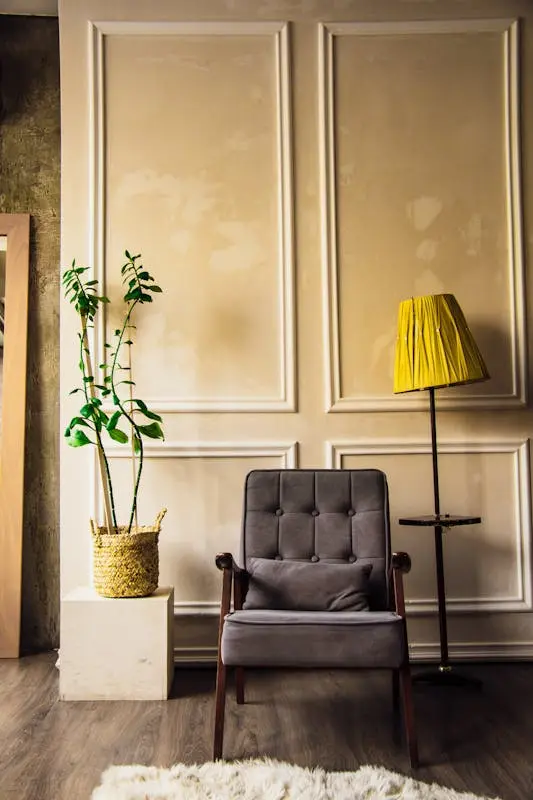
Some higher-end lamps now shift from cooler light during the day to warmer tones at night.
- Daytime: around 3000–3500K to keep you alert.
- Evening: 2200–2700K to help your brain wind down.
If you don’t want a dedicated system, you can mimic this using smart bulbs in a lamp you already love and setting simple schedules.
The Arc Lamp: Still the King of the Living Room?
Short answer: yes, if you choose and place it well.
Arc lamps are one of the few pieces that can solve both lighting and layout problems in a living room.
From Chrome to Soft Modern
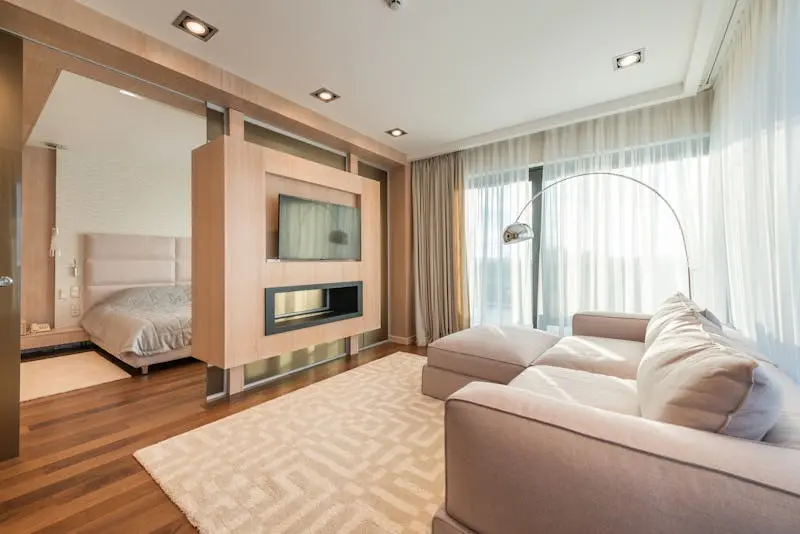
Old-school arc lamps were mostly shiny chrome with dome shades. Now you’ll see:
- Matte black or bronze finishes that feel quieter.
- Soft fabric or paper shades instead of metal, which give a friendlier glow.
- Natural touches like wood or rattan details that play nicely with organic modern interiors.
If your room already has a lot of metal, I’d pick a matte finish with a fabric shade so it doesn’t feel too cold.
Where an Arc Lamp Shines (Literally)
- Over a corner of a sectional where you can’t fit a side table and table lamp.
- In a small living room where you need one big light source that doesn’t require ceiling wiring.
- Behind a reading chair tucked into a corner, turning it into a proper “zone” in the room.
Pro Tip: The Heavy Base Warning
Arc lamps are top-heavy by design, so stability matters.
- For safety, especially with kids or pets, look for a solid base of at least 10–15 kg.
- Avoid placing the base where anyone can accidentally kick or trip over it.
- On rugs, make sure the base sits fully flat (no half-on, half-off the rug edge).
If a lamp looks gorgeous but the base feels light when you nudge it, I’d skip it. No style is worth worrying about it tipping over.
4 Things to Check Before You Buy a Floor Lamp
Here’s the quick checklist I use when clients send me options.
1. Base Weight and Footprint
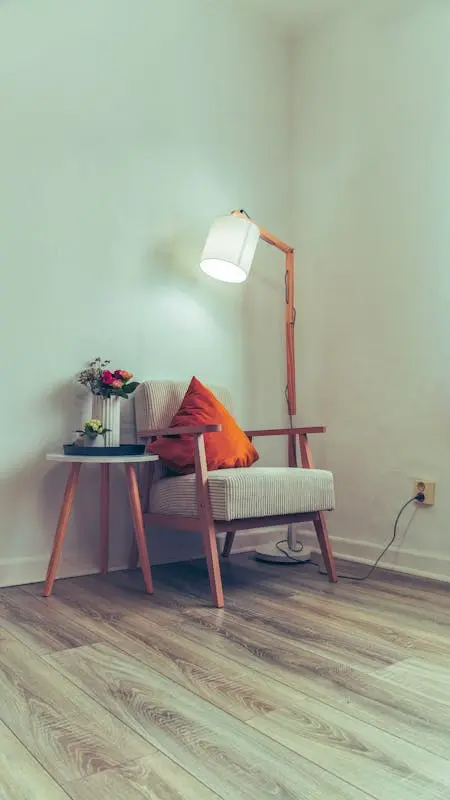
Ask yourself:
- Is the base heavy enough for the height and reach?
- Does the footprint fit your space without blocking a walkway?
For a slim “club” lamp in a corner, a lighter base is fine. For an arc lamp reaching over a sofa, go heavier and wider.
2. Switch Location
This sounds minor until you live with it.
- Foot switch: Great for lamps placed behind a sofa or in a corner. Easy to tap on/off.
- Inline cord switch: Fine if the cord is accessible, annoying if it drops behind furniture.
- Touch or dimmer on the pole: Convenient for reading lamps next to a chair.
In my experience, people use lamps more often when the switch is easy to reach without leaning or bending.
3. Shade Opacity and Shape
Shade choice changes what the lamp actually does in the room.
- Translucent fabric shades:
- Soft ambient glow.
- Good for general living room lighting.
- Opaque metal or dark shades:
- More directional, great for task lighting.
- Can feel harsh if it’s the only light source.
- Wide drum shades: Spread light more evenly.
- Tight cones: Focused beams, better for reading.
If your living room currently feels too harsh, I’d prioritize a larger, light-colored fabric shade.
4. Bulb and Smart Compatibility
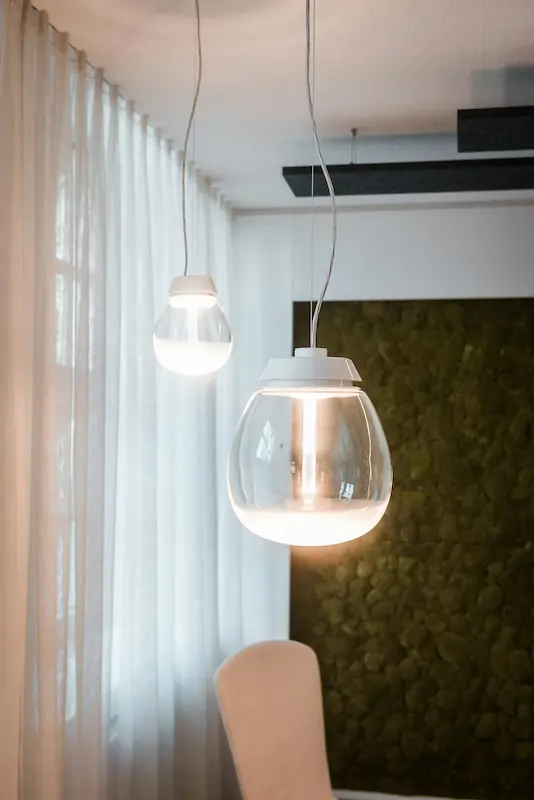
You don’t need a “smart lamp”; you just need a lamp that works well with smart bulbs.
- Standard E26/E27 sockets give you the most flexibility.
- Check the wattage limit (most are 40–60W equivalent, but with LEDs that’s plenty).
- If you’re interested in smart control, make sure the lamp can stay always on at the switch, with control handed off to the bulb or a smart plug.
For cozy living rooms, I usually recommend:
- Color temperature: 2200–2700K.
- Dimmable bulbs, either via smart controls or a built-in dimmer.
Final Thoughts
A good floor lamp in the living room is doing three jobs at once:
- It fills in the gaps left by your ceiling lights.
- It shapes the mood and makes the room feel inviting at night.
- It adds height and structure to your furniture layout.
If you pick the right type (arc, torchiere, standard, task, or sculptural), place it at the correct height, and pay attention to base weight and bulb temperature, you’ll feel the difference the very first evening you switch it on.
If you want, next we can map out exact lamp positions for your living room using your room size, photos, and where your outlets are.