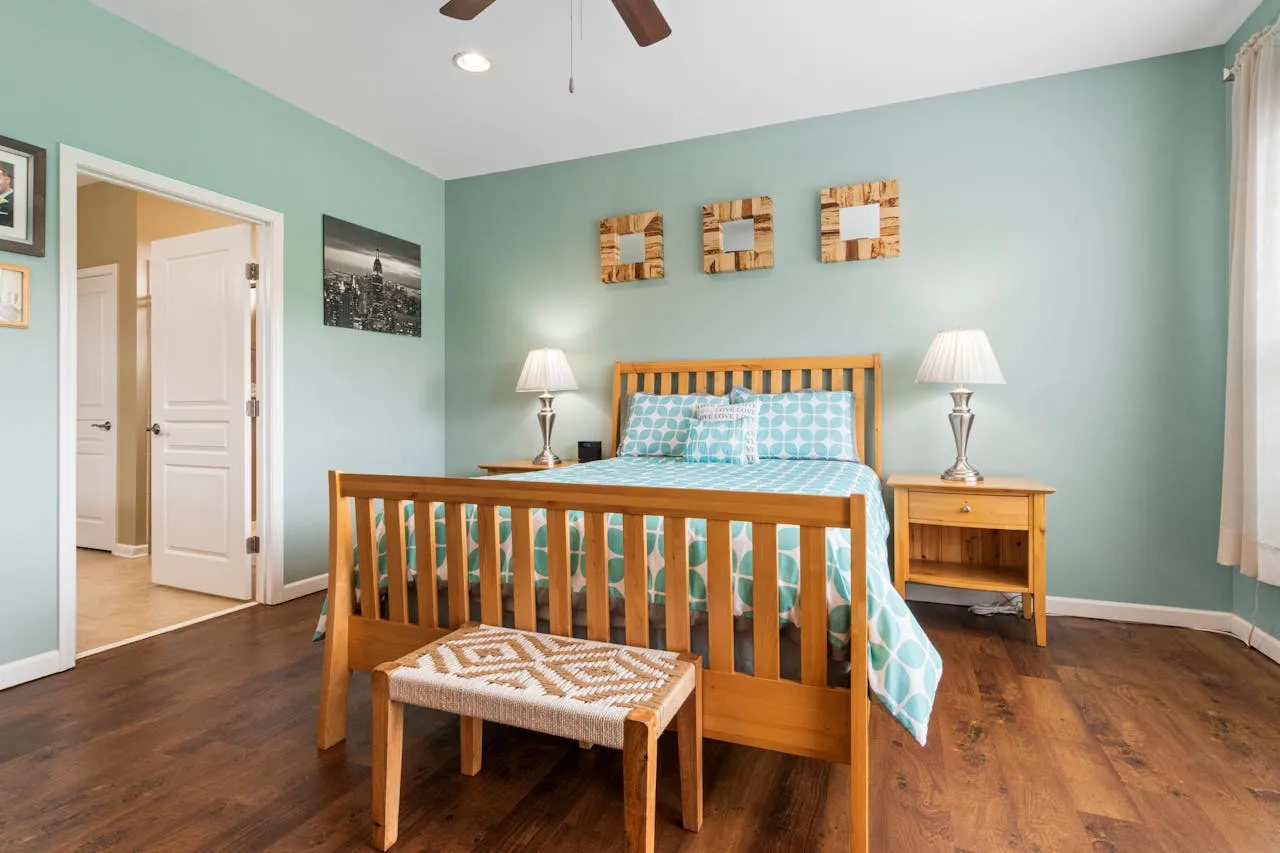
Bedroom Organization Ideas: A Calm Room That Actually Lets You Sleep
Most bedrooms don’t fail because of ugly furniture.
They fail because there’s nowhere for real life to land: clothes, chargers, half-read books, skincare.
Good bedroom organization ideas are less about buying 10 new baskets and more about engineering how your stuff moves through the room. And yes, decluttering for better sleep is real – your brain cannot fully switch off in a space that looks like a to-do list.
We’ll start with the psychology, then fix your layout, add smart storage, build a nightly reset routine, and finish with bedroom storage hacks for small spaces when you don’t even have a closet.
The Cortisol Connection – Why Messy Rooms Ruin Sleep
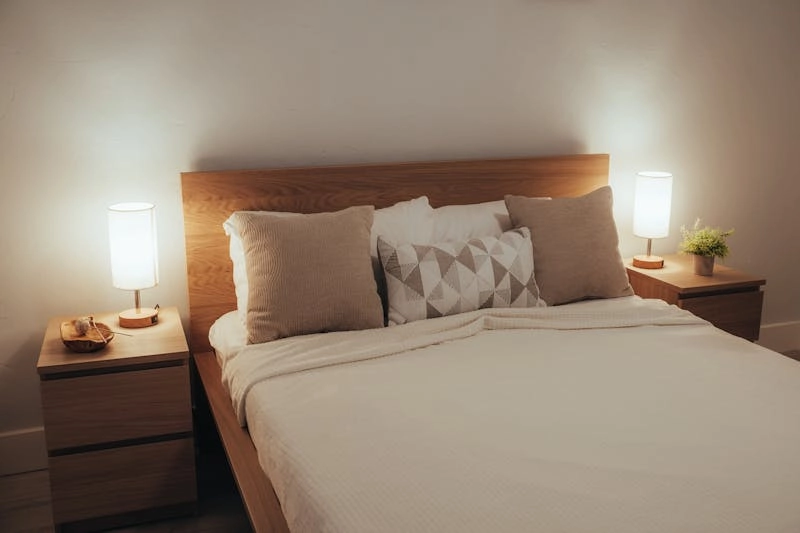
Clutter is “visual noise.” Every item your eyes land on before bed is a tiny mental notification: “Fold me, charge me, put me away.”
Your brain has to process that information, and that low-level stimulation keeps cortisol (the stress hormone) higher than it needs to be at night. High cortisol makes it harder to fall asleep and reduces the quality of deep sleep.
I like to think of the bedroom as a sanctuary with only two allowed functions: sleep and intimacy.
Anything that belongs to other modes of your life – work, admin, gym, chores – either needs its own zone in the room or, ideally, lives elsewhere.
If your laptop, laundry pile and handbag are all within arm’s reach of your pillow, your nervous system is getting mixed messages. The goal of good organization here is not just tidiness; it is protecting your sleep window.
Zoning Your Bedroom for Efficiency
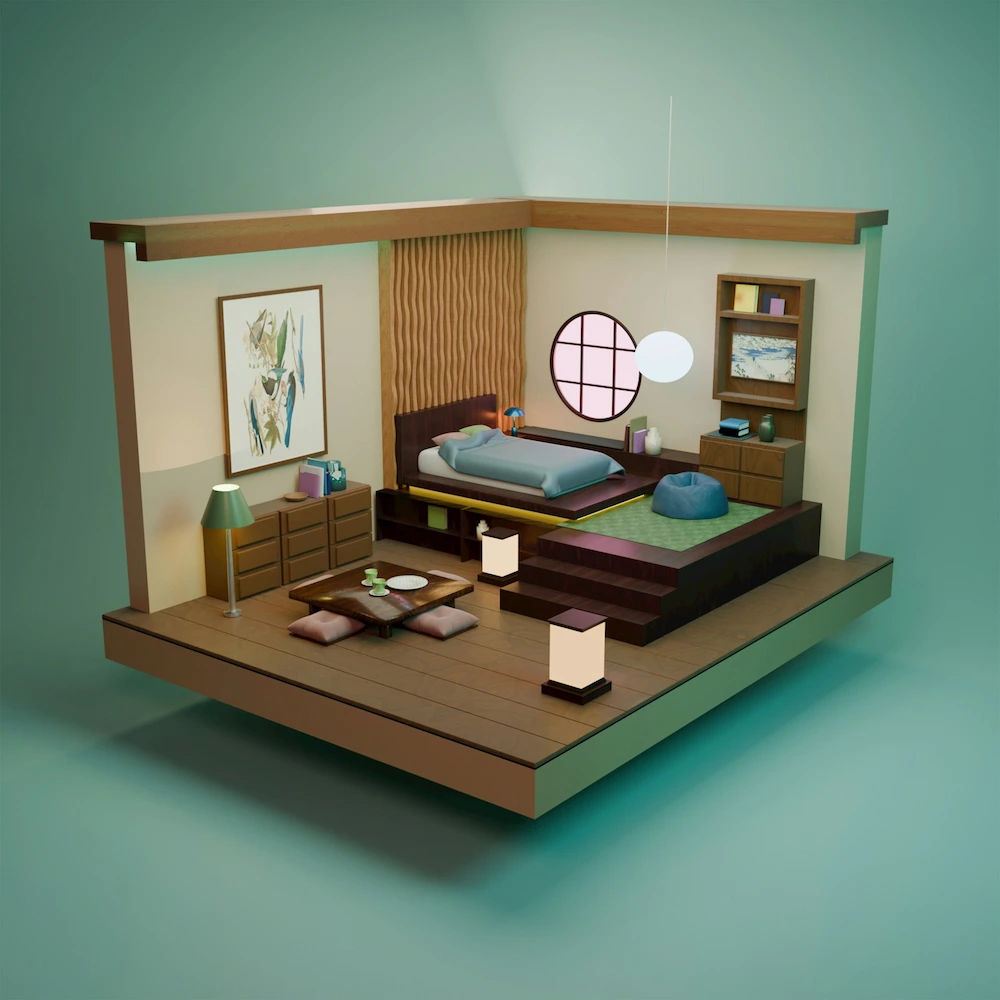
Organization falls apart when the room layout works against your habits. Instead of fighting yourself, design for the way you actually move.
The “Triangle of Workflow”
Think of three points:
- Bed
- Wardrobe (or clothing rail)
- Hamper / laundry basket
Most clothes chaos happens because these three are badly arranged.
Quick checks:
- Can you step out of bed, grab something from the wardrobe and drop worn clothes into the hamper without weaving around furniture?
- Is the hamper close enough to where you naturally undress, or is it across the room “for aesthetics”?
If the path is awkward, clothes will end up on the floor or “that chair.” Shift the hamper closer, or tuck a slim laundry basket inside the wardrobe so the action is one step, not five.
In my experience, simply moving the hamper to sit directly next to the wardrobe door solves half of the bedroom mess for most people.
The “Landing Strip” for Clothes That Aren’t Dirty
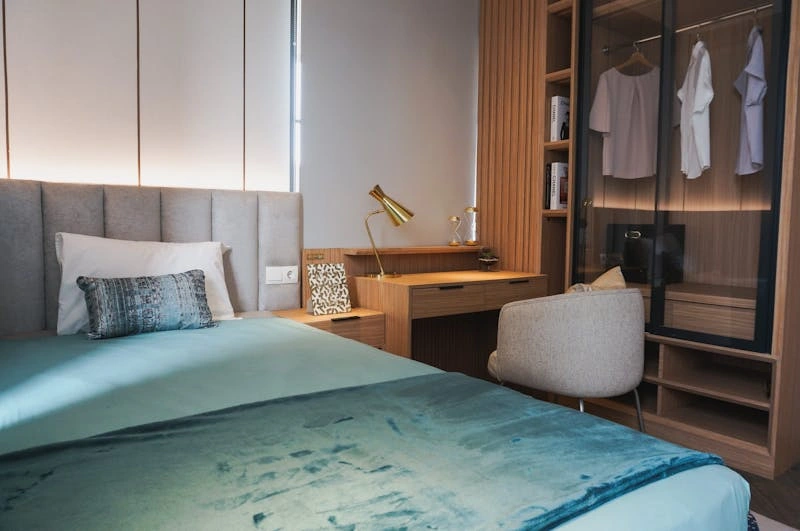
The second failure point is the in-between clothing: worn once, not dirty, not clean.
If you don’t give those pieces a dedicated landing strip, they colonize the bed, the desk and the floor.
Better options:
- A short rail or wall-mounted hook bar just for “wear again” items
- A valet stand or simple chair whose only purpose is next-day outfits
- A shallow open shelf or basket inside the wardrobe labelled “in rotation”
The rule is simple: if it’s not ready for the hamper and not ready for the hanger, it goes to the landing strip. That way it looks intentional, not like a pile of indecision.
Essential Storage for 2026
Let’s talk hardware and containers that genuinely make a difference, not gimmicks.
1. “Decoy” Storage for Visual Calm
You will always have small, ugly things in a bedroom: chargers, lip balm, earplugs, hand cream, remotes.
Decoy storage is beautiful outer containers that hide all of that:
- Lidded baskets or boxes in a material that matches your style (rattan, fabric, wood)
- One basket per category: “tech”, “skincare”, “misc bedside”
I recommend one small decoy box on each nightstand with a strict capacity limit. If it overflows, something gets removed rather than spreading onto the tabletop.
2. The Floating Nightstand
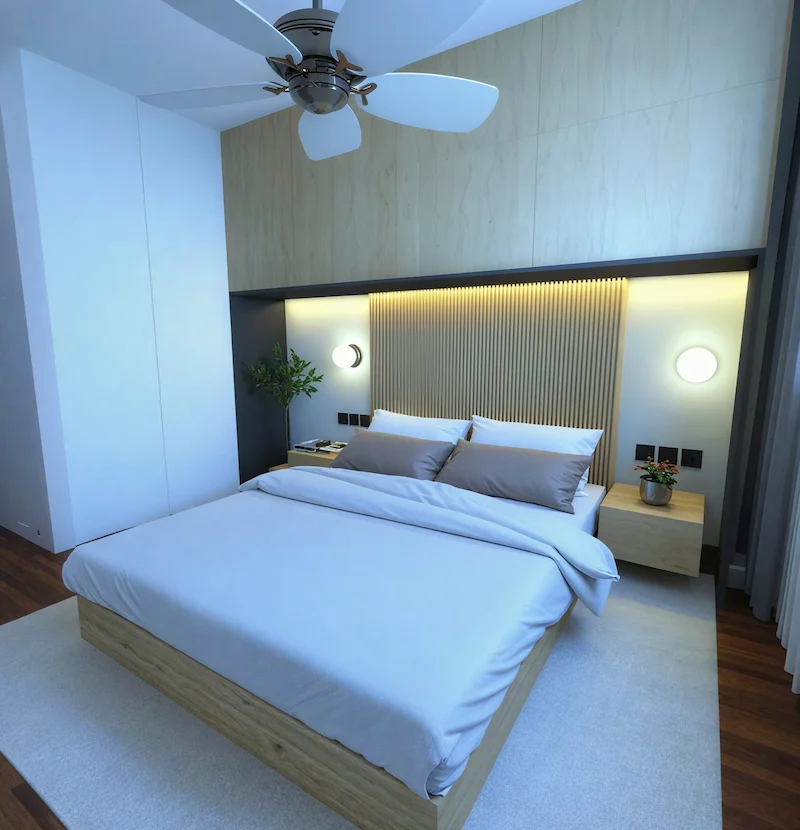
A wall-mounted nightstand does two things instantly:
- Frees up floor space visually, which makes even a small bedroom feel bigger
- Makes cleaning simpler, because there are no legs to vacuum around
Choose a design with at least one drawer, even if it is shallow. Drawers hide visual noise much better than open cubbies.
If you are rewiring, place a socket directly under the floating nightstand so lamp and phone cables disappear into the shadow line instead of draping down the wall.
3. Under-Bed Drawers on Wheels
If your bed frame allows it, under-bed storage is prime real estate.
The key is to upgrade from floppy plastic bins to proper drawers on wheels.
Good uses for under-bed drawers:
- Off-season clothing in fabric bags
- Spare bedding and towels
- Bulky items you use weekly, not daily
To avoid the “black hole” effect, use shallow drawers rather than deep chests, and label the front edge so you aren’t opening three drawers to find pillowcases.
If your bed doesn’t allow drawers, consider a storage bed with integrated compartments as your next upgrade. It’s one of the most efficient bedroom storage hacks for small spaces.
4. Cable Management Boxes
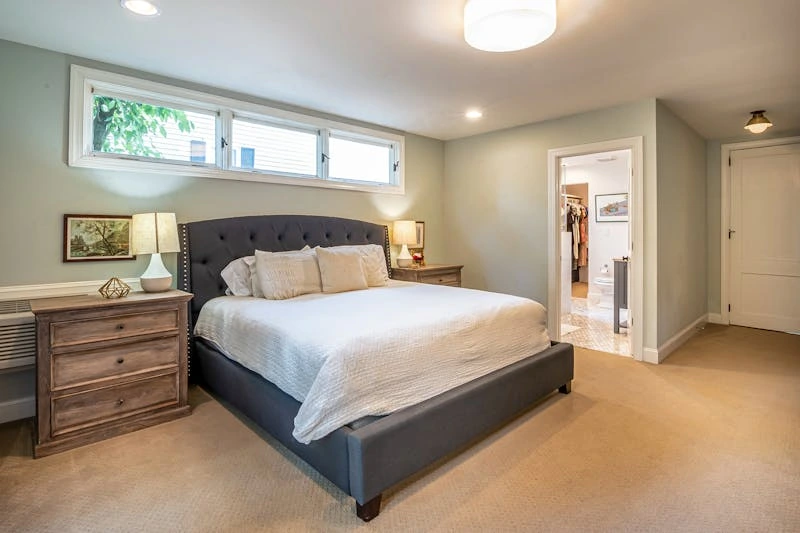
The small LEDs from chargers, power strips and routers are much brighter than you think in a dark room.
A simple cable management box:
- Hides the tangle of cords
- Reduces dust around electronics
- Removes those little glowing dots that keep catching your eye at night
Place the box either under the nightstand or behind a dresser, and feed only the necessary cables out. It’s a cheap change that dramatically cleans up the visual field.
The 3-Step “Reset” Routine
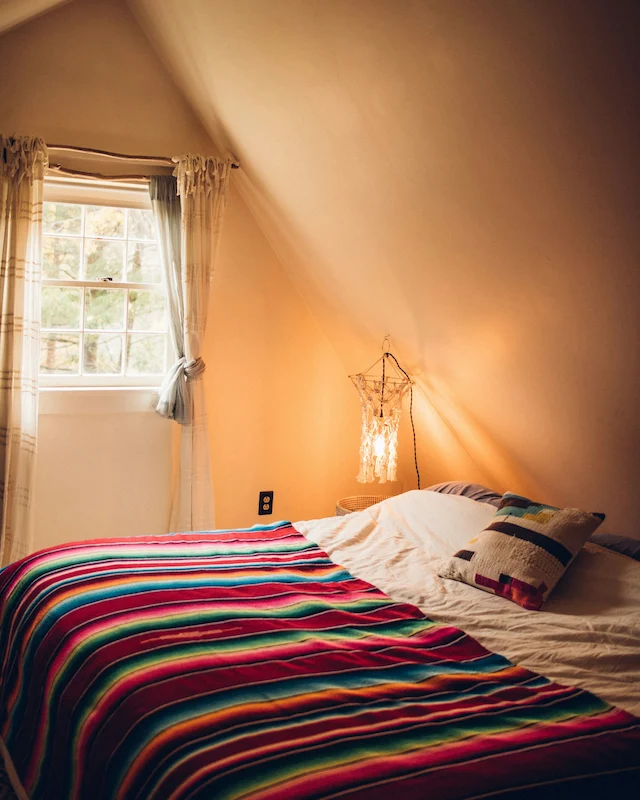
Even the best system fails without a habit to maintain it. The good news: your nightly reset does not need to be long. It just needs to be in the same order, every night.
Step 1: The Surface Sweep
Start with nightstands and the top of the dresser. These are the most visible surfaces from bed.
- Return glasses, mugs and plates to the kitchen.
- Move any rogue skincare back to its container.
- Keep only what you genuinely use nightly within reach: lamp, water, a book, maybe one small decor piece.
I like using a small tray on each nightstand as a boundary. If it doesn’t fit on the tray, it doesn’t live there.
Step 2: The Floor Clear
Your second pass is the floor:
- Shoes back to their spot (rack, basket, or under-bed zone)
- Laundry into the hamper, “wear again” items onto the landing strip
- Bags returned to their hook or wardrobe
The visual rule is simple: nothing touches the floor except furniture legs.
Once you see a clean floor, the whole room feels organized, even if the inside of drawers still needs work.
Step 3: The Bed Make

A made bed is not about perfection; it is about closing the loop on the day.
- Shake out the duvet, smooth it once.
- Stack pillows consistently in the same order (sleep pillows at the back, decorative in front or on a bench).
- Straighten the throw or remove it entirely if it just becomes another thing to fight with.
In my experience, this is the “keystone habit.” If the bed is made, you are far less likely to leave clothes dumped everywhere because the mess will look obvious against a tidy anchor.
Organizing When You Have No Closet
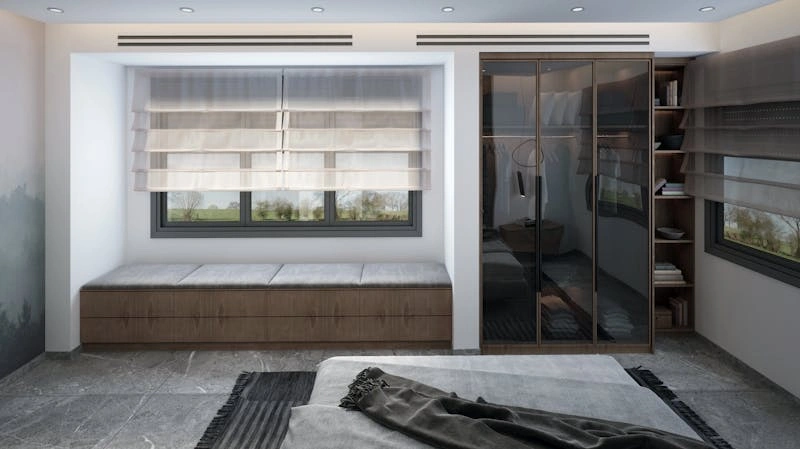
No built-in wardrobe does not mean you are doomed. It just means your vertical surfaces and furniture need to work harder.
The “Headboard” Storage
The wall behind your bed is often underused.
Ideas that don’t feel like a dorm room:
- A shallow shelf or ledge running the width of the bed to hold books, glasses and a small lamp
- A custom headboard with hidden cubbies or back-access shelves for off-season items or spare linens
- Overhead cabinets above the headboard, kept shallow so they don’t feel heavy – use them for things you don’t reach for daily
If you go vertical above the bed, keep fronts simple and light in color so the room still feels calm.
The Vertical Rule: Doors and High Walls
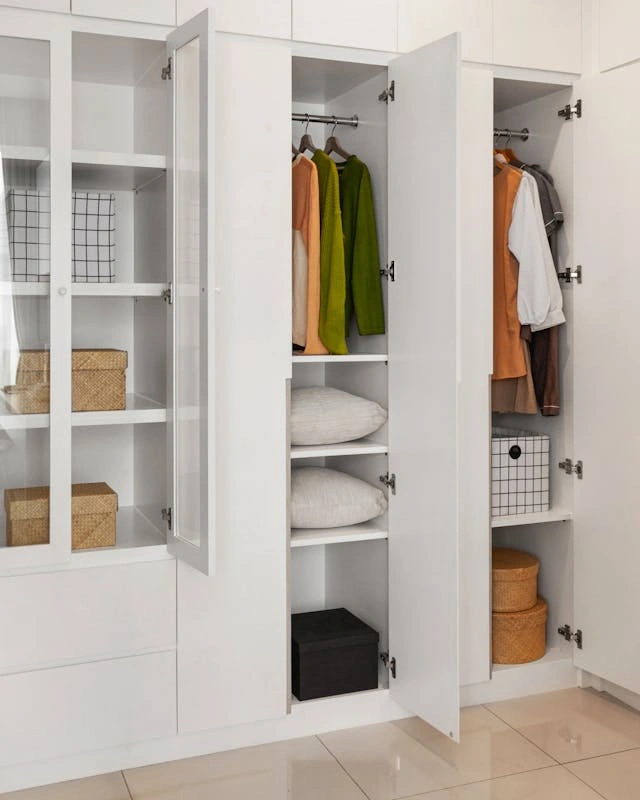
When floor space is tight, think of every door as a storage panel.
- Over-the-door organizers for shoes, bags, scarves or small accessories
- A wall-mounted rail with hooks for next-day outfits, robes and bags
- Tall, narrow dressers that use height instead of width
I prefer closed storage (drawers, cabinets) at lower levels and open hooks higher up. That way the room reads tidy at eye level, even if there’s a busy rail above the door.
If you treat your bedroom like a tiny ecosystem – with clear zones, deliberate landing spots and a quick nightly reset – bedroom organization ideas stop being Pinterest fantasies and start looking like extra sleep.
Start with the cortisol connection in mind, fix your triangle of bed–wardrobe–hamper, add just enough decoy storage, and then build a reset routine you can do in five minutes. The goal is not perfection. The goal is a room that makes your brain say, “We’re done for today,” the moment you walk in.