Bedroom Rug Ideas: How To Choose The Right Size, Placement And Texture (Without Guesswork)
Most bedroom rug mistakes come from guessing. Too small, too far away from the bed, or so scratchy you avoid walking on it barefoot. The good news is that once you understand a few simple rules, bedroom rug ideas stop being overwhelming and start feeling like a clean formula.
The most successful bedrooms follow three principles: the rug must be the right size for the bed, the right placement for the layout, and the right material for bare feet. In this guide I’ll walk you through a practical rug size guide for king beds and smaller, give you clear bedroom rug placement “diagrams” in words, and then layer in trends and maintenance so the rug actually works in real life.
Let’s start with the math, because that’s where most people go wrong.
The 2026 Rug Sizing & Placement Guide
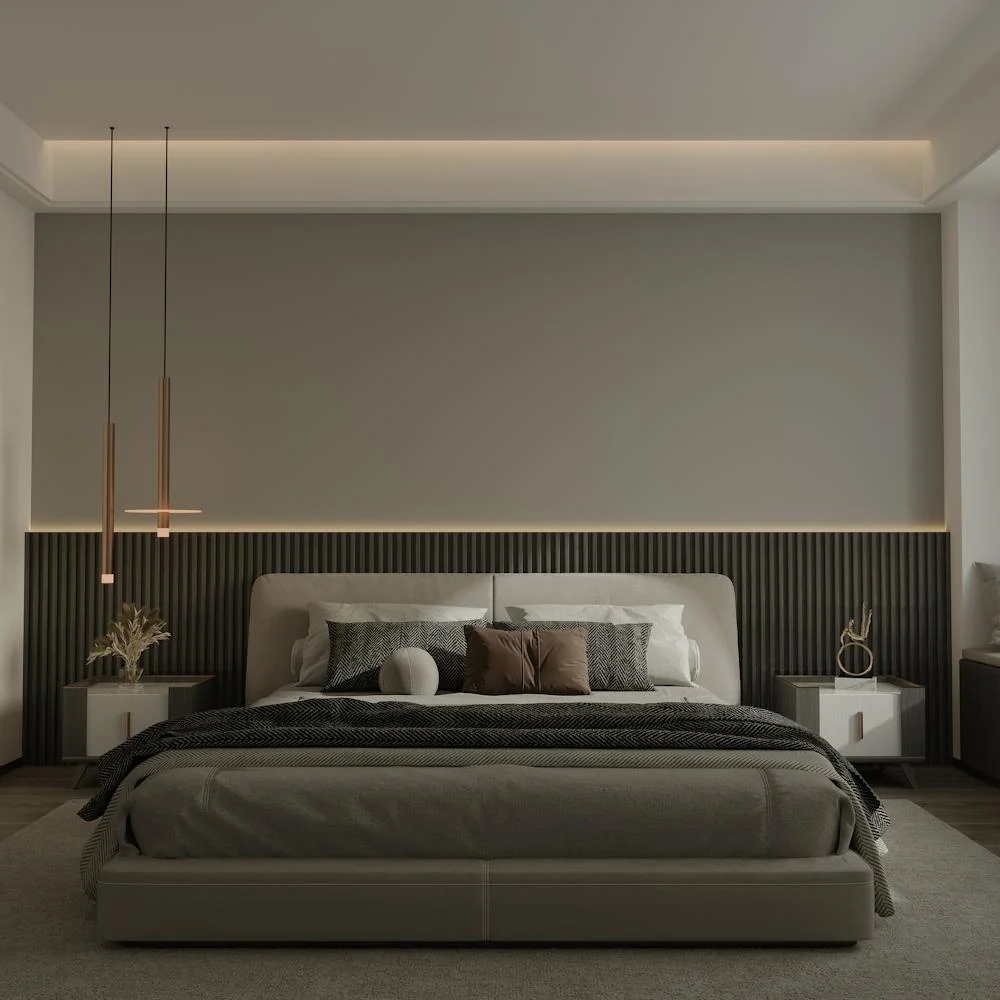
A rug in the bedroom has three jobs: visually anchor the bed, give you a soft landing for your feet, and connect the furniture so the room feels finished. Size and placement decide whether it does that or just looks like a bath mat.
The “2/3 Rule” (Standard Placement)
The 2/3 rule is the most forgiving layout and works in almost every bedroom.
- The rug starts roughly one third of the way down from the headboard.
- The top nightstand legs usually sit off the rug.
- The lower two thirds of the bed plus the foot area sit fully on the rug.
Visually, imagine a simple diagram from above: a rectangle (the rug) sitting under the bottom part of a larger rectangle (the bed), with a strip of visible flooring at the head of the bed.
This placement works beautifully if your rug is slightly smaller than ideal because you’re not trying to get the nightstands on it.
The “Full Frame” (Hotel Look)
If you want that boutique hotel feel, use the full frame layout.
- The entire bed frame and both nightstands sit on the rug.
- The rug extends past the sides of the bed so you step onto softness, not the edge.
- You still keep a border of flooring around the room so it doesn’t feel wall-to-wall.
This looks best in medium to large rooms. In my experience, it’s worth the investment if you have a king bed and hate the look of “floating” nightstands.
The “U-Shape” Hack (Three Runners Instead Of One Rug)
If a huge rug isn’t in the budget, you can fake the look with three smaller pieces.
- One runner on each side of the bed.
- One at the foot of the bed, all aligned so they visually form a big U around the frame.
- Leave a tiny gap between the rugs so they don’t look like a patchwork.
This is a great bedroom rug idea for renters and small spaces because each piece is easier to clean, move, and replace. I also like it in rooms with irregular shapes where a large rectangle never quite fits.
Rug Size Guide For King Bed And More (2026 Cheatsheet)
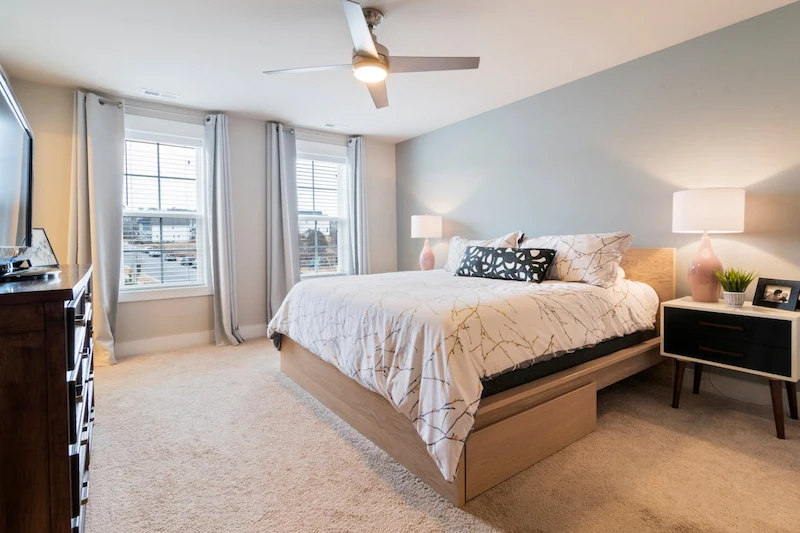
Use this as a starting point, not a rigid law. When in doubt, go larger if your room allows it.
| Bed Size | Ideal Rug Size (Approx) | Recommended Placement |
|---|---|---|
| Twin | 5×8 ft | 2/3 rule or U-shape with runners |
| Full/Double | 6×9 ft or 8×10 ft | 2/3 rule for 6×9, full frame for 8×10 |
| Queen | 8×10 ft | 2/3 rule or full frame |
| King | 9×12 ft (minimum) | Full frame or generous 2/3 placement |
| California King | 9×12 ft or larger | Full frame only (hotel look) |
For a king bed specifically, a 9×12 is the sweet spot in most standard rooms. Anything smaller tends to look like a bath mat that the bed has swallowed.
The Barefoot Test: Choosing Materials
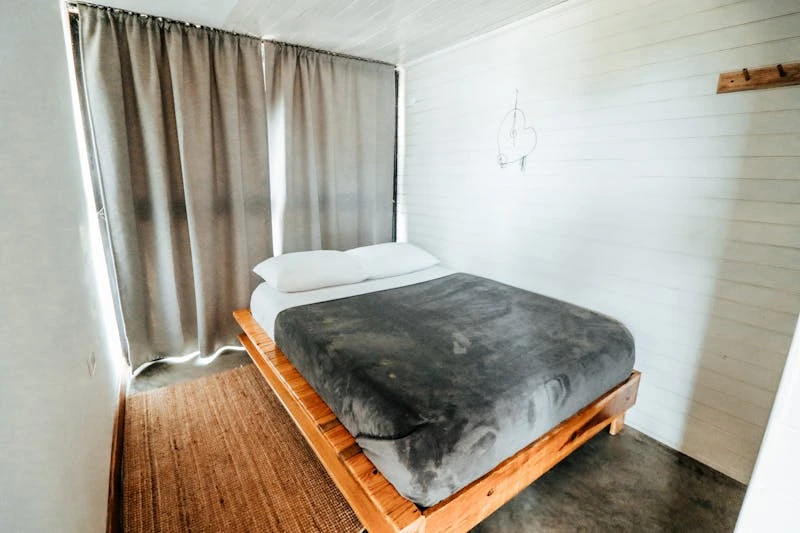
Once the size and placement are correct, the next filter is simple: would you actually enjoy standing on this barefoot every single morning?
Wool: The Gold Standard
If your budget allows, wool is the safest and most comfortable choice for a bedroom.
- Naturally soft and springy underfoot.
- Regulates temperature, so it doesn’t feel icy in winter or sticky in summer.
- More resistant to dirt and crushing than most synthetics.
In my experience, a mid-pile wool rug under a bed looks elevated without being precious. It also ages gracefully instead of looking tired after one season.
Silk / Viscose: The “Look But Don’t Touch” Option
Silk and viscose rugs photograph beautifully but can be high-maintenance.
- They show every footprint and vacuum line.
- Liquids can stain or permanently mark the fibers.
- They are best in low-traffic, shoe-free bedrooms if you’re willing to baby them.
If you love the sheen, I’d rather see a small silk accent rug layered over a more robust base than a full room of delicate fiber.
Polypropylene And Other Synthetics
Modern synthetics have improved a lot and can work well in busy bedrooms.
- Often machine-washable or at least very stain-resistant.
- Great for kids’ rooms, guest rooms, or if you have pets that sneak onto the bed.
- The trade-off is that they can feel a bit less “buttery” underfoot than wool.
If you’re prioritizing practicality, a soft synthetic rug with a thick rug pad can still feel luxurious enough for everyday use.
Jute / Sisal: A Layering Base, Not The Only Rug
Natural fiber rugs like jute and sisal can be beautiful, but they’re rarely comfortable as the only bedroom rug.
- They can feel scratchy on bare feet, especially first thing in the morning.
- They don’t love spills and can be hard to clean deeply.
I prefer to use them as a large, affordable base layer, then add a softer wool, faux-sheepskin, or cotton rug on top right where your feet land.
Rug Trends Taking Over In 2026
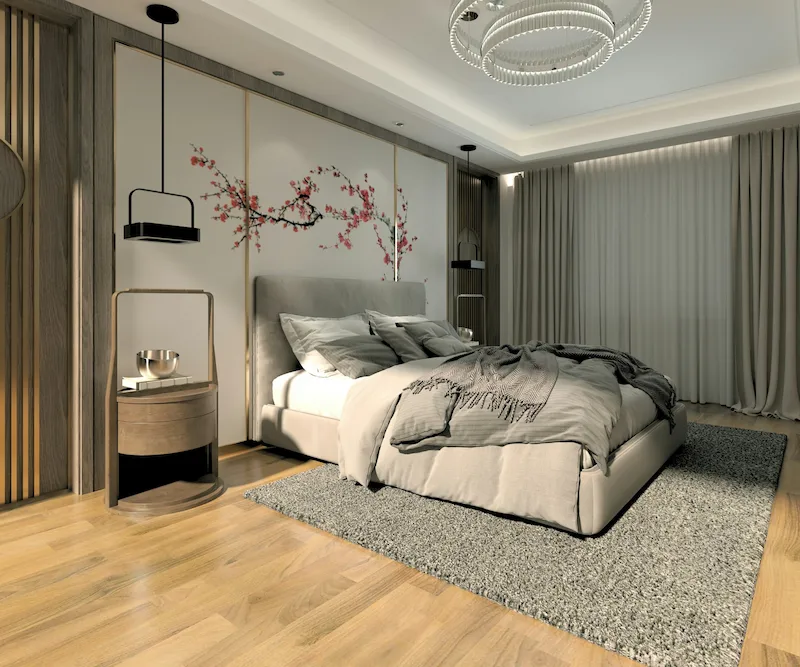
Once the fundamentals are correct, you can lean into style. These bedroom rug ideas feel current in 2026 without being gimmicky.
1. Irregular And Organic Shapes
We’re moving away from strict rectangles in every room.
- Blob-like rugs that mimic puddles, stones, or clouds soften the geometry of a room.
- They work especially well in minimalist bedrooms where the bed is very linear.
- Place them so the “larger” part of the blob sits where your feet land, and the narrower parts slide under furniture.
If your bedroom feels too boxy, an organic-shaped rug is often the fastest way to relax the mood.
2. Relief And 3D Texture
High-low pile rugs add dimension without needing bold color.
- Carved patterns, arches, waves, or geometric lines stand out in low-contrast neutrals.
- They create subtle shadows that make plain bedding and walls feel richer.
I like these in quiet color palettes because they do the heavy lifting of interest through texture, not pattern overload.
3. Color Echoing With The “Fifth Wall”
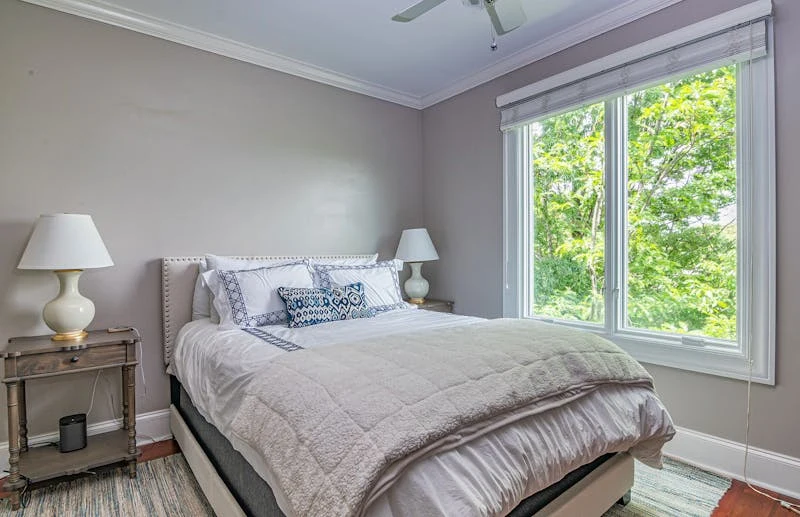
A more advanced move is to tie your rug color to something above eye level.
- Match your rug tone loosely to the ceiling color, curtain color, or a feature wall.
- This “echo” makes the whole room feel intentional, even if the palette is simple.
For example, a soft clay-colored rug with a slightly deeper clay tone on the ceiling feels enveloping, not matchy-matchy.
4. Scalloped And Decorative Edges
Scalloped edges and embroidered borders are everywhere in 2026.
- They add just enough playfulness to a serious or minimalist bedroom.
- A scalloped edge peeking out from under a simple bed frame can be the only “pattern” you need.
If you’re nervous about committing to pattern on the walls or bedding, use the rug edge as your fun moment instead.
Allergies And Maintenance
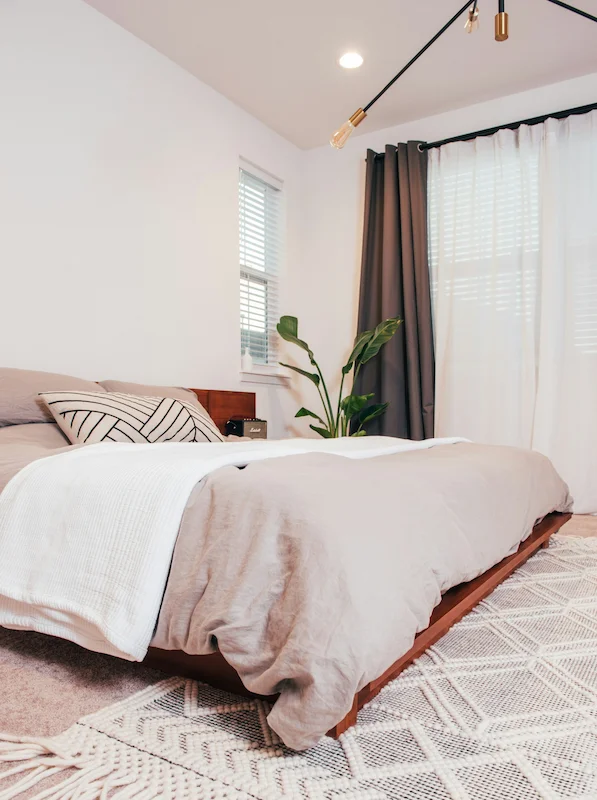
A good bedroom rug should improve your comfort, not your dust mite population.
The Dust Mite Reality
Rugs trap dust, skin cells, and allergens. That’s not always bad; they hold particles in place instead of letting them float, as long as you clean them regularly.
- Very high-pile shag rugs are cozy but can be a problem for allergy sufferers.
- Flatweave or low-to-medium pile rugs are easier to vacuum deeply.
If you’re sensitive, pair your rug with a vacuum that has a HEPA filter and build a quick weekly pass into your cleaning routine.
The Washable Revolution
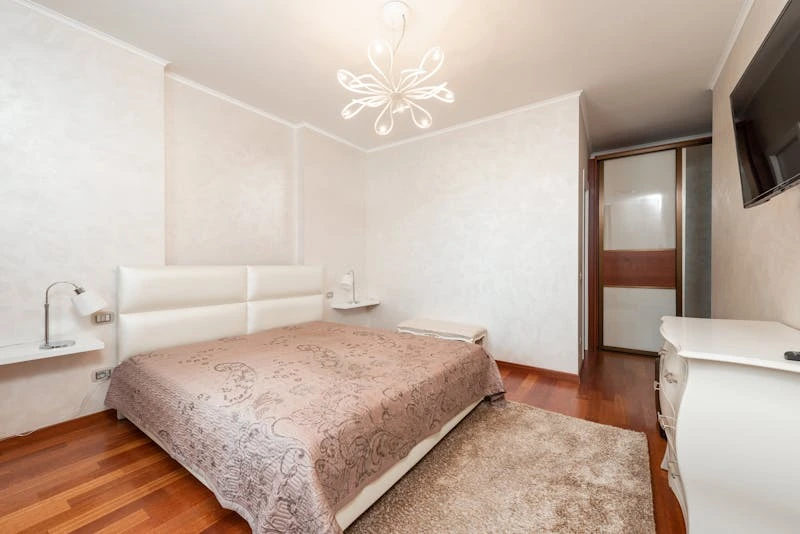
Washable rugs have their place, especially in kids’ bedrooms or small apartments.
- They’re usually thinner but extremely practical if you expect spills.
- Ideal under a child’s bed, in a multipurpose guest room, or near vanity areas.
For primary bedrooms, I’d still invest in a better-quality wool or dense synthetic rug and schedule a professional cleaning every so often. You get more comfort underfoot and better longevity.
Advanced Layering Techniques
Layering is where bedroom rug ideas move from “fine” to “designer.”
The “Base And Accent” Method
If your budget is limited, spend smartly.
- Start with a large, affordable natural-fiber rug (like jute) that covers the correct footprint under the bed.
- Layer a smaller, softer rug right where you step off the bed each morning.
This way your eyes see a cohesive large rug, but your feet feel the luxurious one. It’s also much easier to replace a small accent rug if it gets worn.
Rug On Carpet: Making It Work
If you already have wall-to-wall carpet, you can still use an area rug on top to define the bed zone.
- Choose a rug with a different texture and slightly different tone so it doesn’t disappear.
- Use a proper rug pad designed for carpet-to-rug to prevent bunching.
- Anchor the rug with the weight of the bed and nightstands.
In my experience, this is one of the fastest ways to make a basic rental bedroom feel custom and layered.
If you remember nothing else, remember this: for bedroom rugs, bigger is almost always better, materials matter more than patterns, and where your feet land is more important than what fills the center of the room. Start with the sizing guide for your bed, test every option against the barefoot test, and then have some fun with shape and texture on top.