Scandinavian Bathroom Mirrors That Maximize Space (2026 Guide)
Small Scandinavian bathrooms are a bit of a paradox. The style is all about calm, open space, but your reality is probably a narrow room, a short vanity, and maybe no window at all. In that kind of footprint, the mirror is not just décor. It is your main architectural tool for visually stretching the room, bouncing light, and faking symmetry.
If you get the mirror wrong, the whole room feels like a corridor. Get it right, and even a tiny rental can look like a spa.
Now let’s break down exactly where to hang your Scandinavian bathroom mirrors, which shapes actually maximize space, and how to pair them with light so the room feels larger, not flatter.
The “Light Bouncer” Placement Strategy
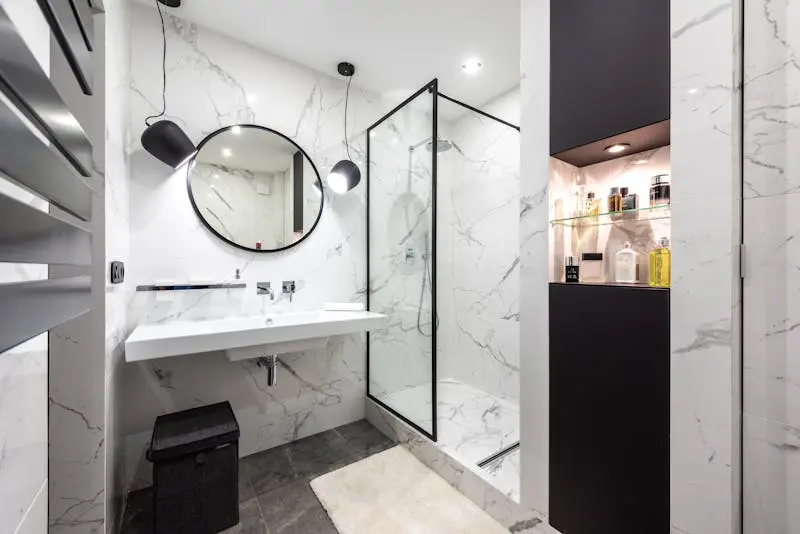
Think of your mirror as a light bouncer more than a grooming tool. Its main job in a small Scandi bathroom is to push brightness and depth back into the room.
The “Window Double”
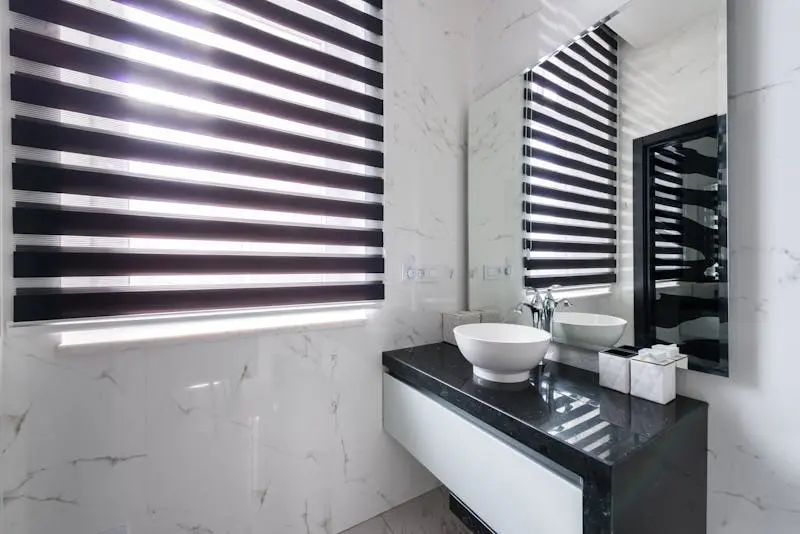
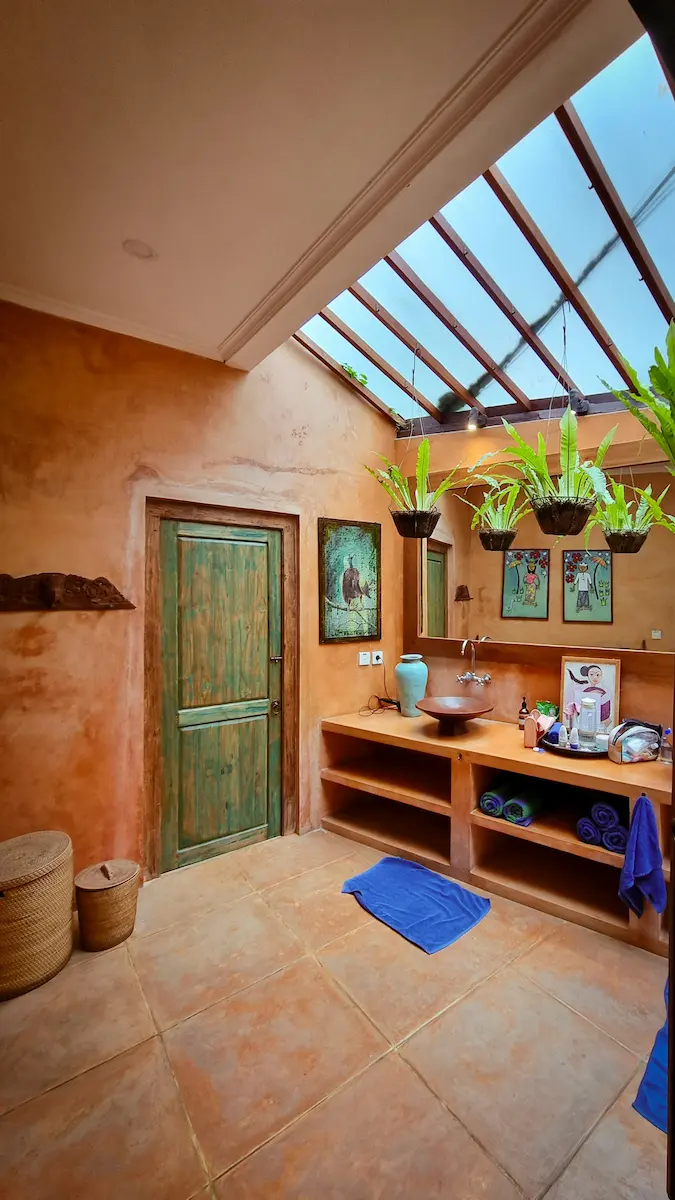
If you are lucky enough to have a window, the mirror’s first priority is to double it.
- Place the mirror directly opposite or at a 90-degree angle to the window so it catches and reflects daylight.
- The goal is for the mirror to show the outside view, not just the opposite wall. That reflection tricks your brain into reading the space as more open and airy.
In my experience, this single placement decision does more to make a tiny bathroom feel expensive than most tile upgrades.
The “Infinite Hallway” Fix for Narrow Rooms
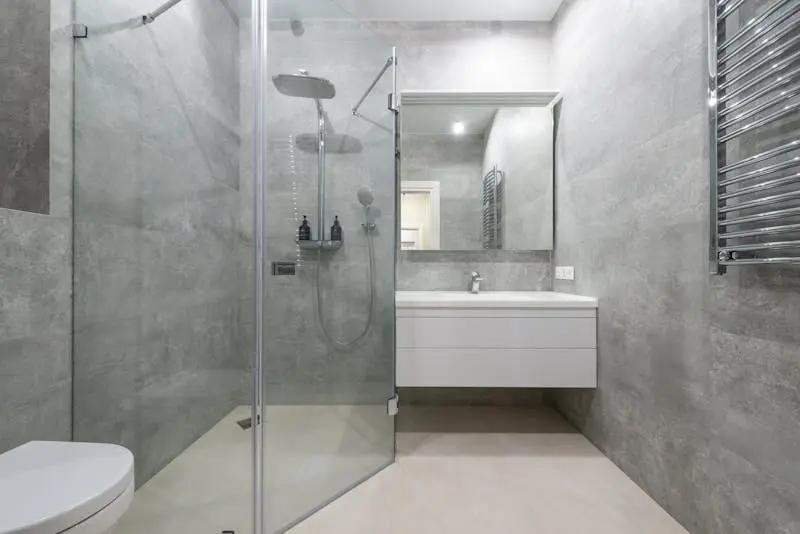
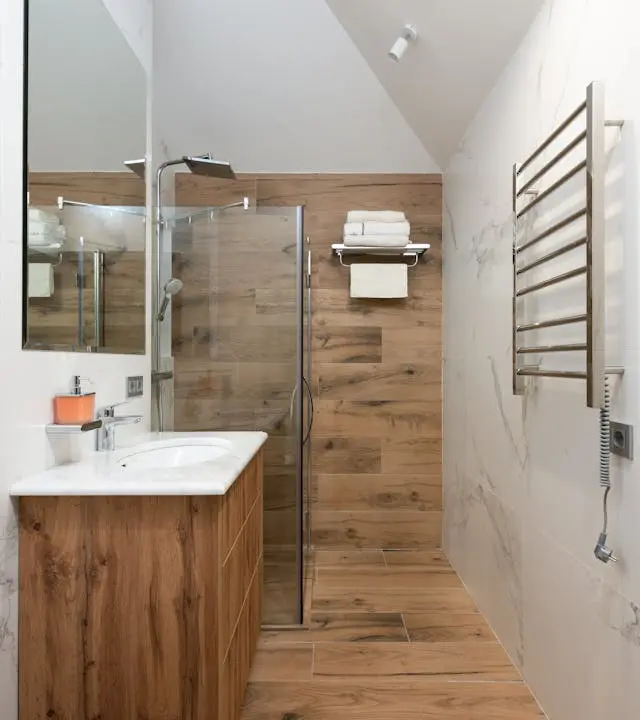
For long, narrow bathrooms, treat the mirror like a horizontal window that widens the “tunnel.”
- Run a wide mirror along the long wall, ideally from just above the vanity backsplash to 15–25 cm below the ceiling.
- If the vanity is only on one side, you can still extend the mirror beyond the vanity width to stretch the wall visually. It reads like a glass panel rather than a small, floating slab.
This “infinite hallway” illusion works particularly well in Scandinavian spaces because the rest of the palette is usually pale and uniform, which the mirror amplifies.
Avoid the “Black Hole” Reflection
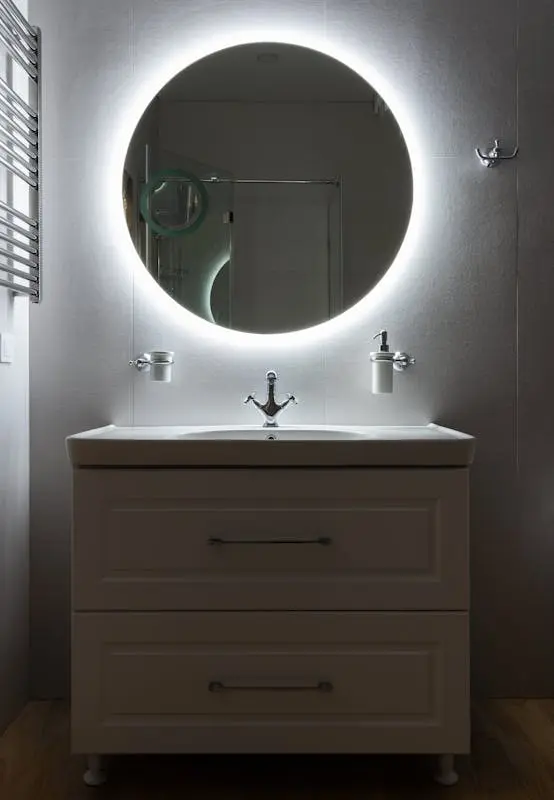
The mirror will double whatever you put in front of it, so be intentional.
- Do not place a mirror opposite a dark shower curtain, a fully tiled black wall, or a messy shelf. You will instantly double the visual weight and clutter.
- Ideally, the mirror should reflect light surfaces: white or pale tiles, a simple wood vanity, or a clean section of wall.
If you cannot move plumbing, reorganize the wall opposite the mirror before you upgrade the mirror itself. Sometimes hiding one shelf has more impact than buying a bigger mirror.
2026 Trend Watch – Organic and Pebble Shapes
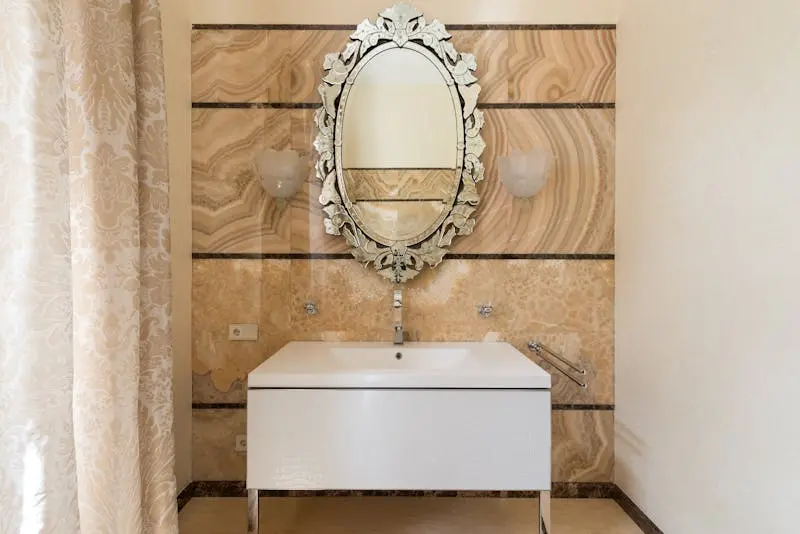
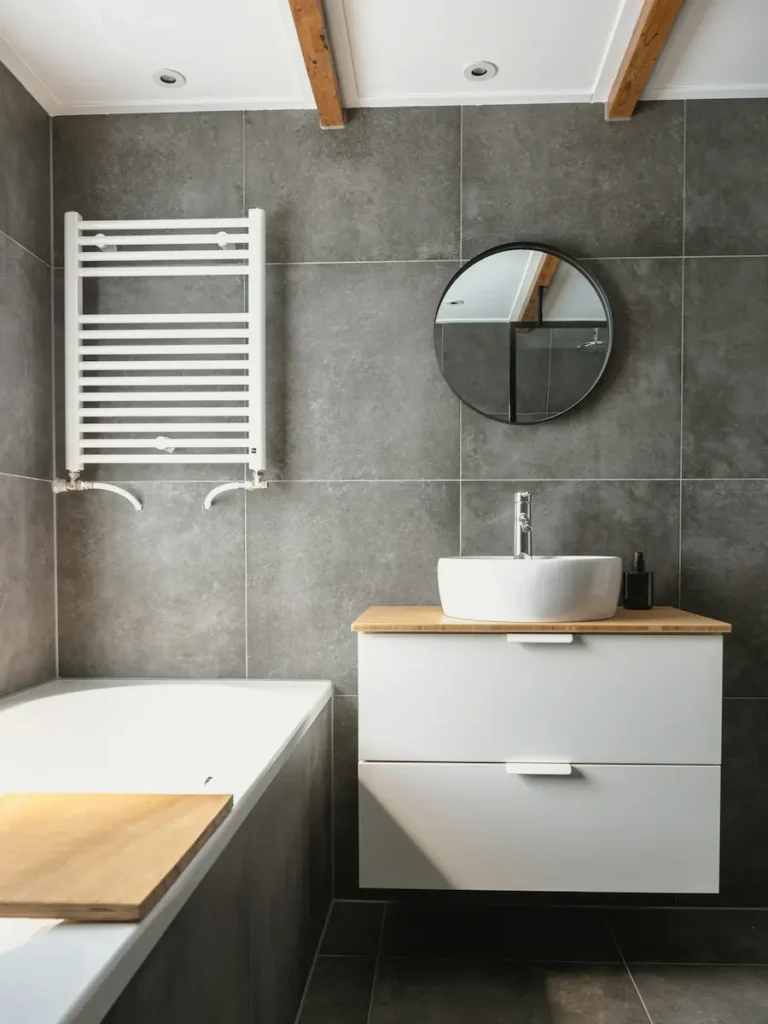
Scandinavian bathrooms have historically leaned on round mirrors, and those are still beautiful. What is evolving in 2026 is the shift from perfect geometry to softer, more organic forms.
Softening the Box
Most small apartments are pure rectangles: square tiles, straight grout lines, 90-degree corners everywhere. When you add a basic square mirror on top, the room can feel very rigid and “bathroom-ish.”
Organic or pebble mirrors break that grid.
- Look for asymmetrical, rounded shapes with gentle curves rather than sharp corners.
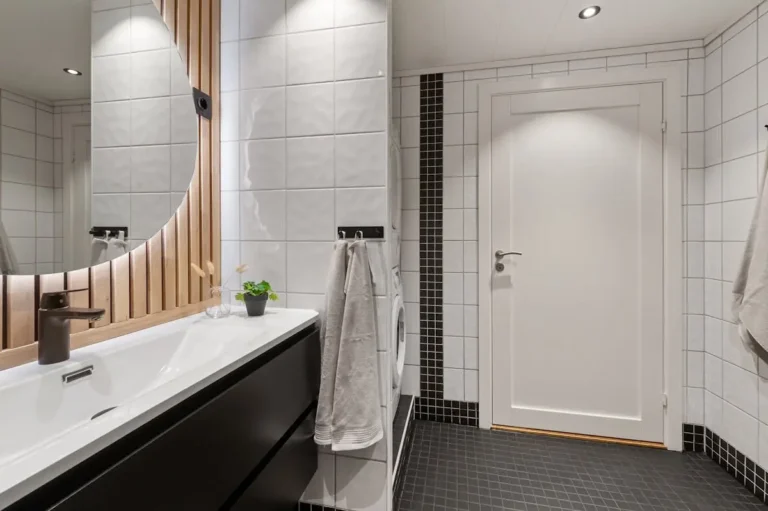
- These work especially well above a simple floating vanity, where the curve softens the line and instantly feels more boutique hotel than rental.
I like using a pebble mirror in ultra-compact rooms because the irregular outline distracts from the tight proportions. Your eye follows the curve instead of counting tiles.
The Frameless Scandinavian Look
Even a thin frame adds visual weight, which you feel very quickly in a 1.5 m wide bathroom.
- For a pure Scandi look, choose a frameless mirror with a polished edge so it almost dissolves into the wall.
- If you do want a frame, keep it extremely slim and in a quiet finish: matte black, brushed brass, or pale wood, all with very narrow profiles.
As a rule of thumb, the smaller the bathroom, the more I lean towards frameless or micro-framed mirrors so the glass surface dominates, not the trim.
H2: Mirrors That Work Harder – Storage and Tech
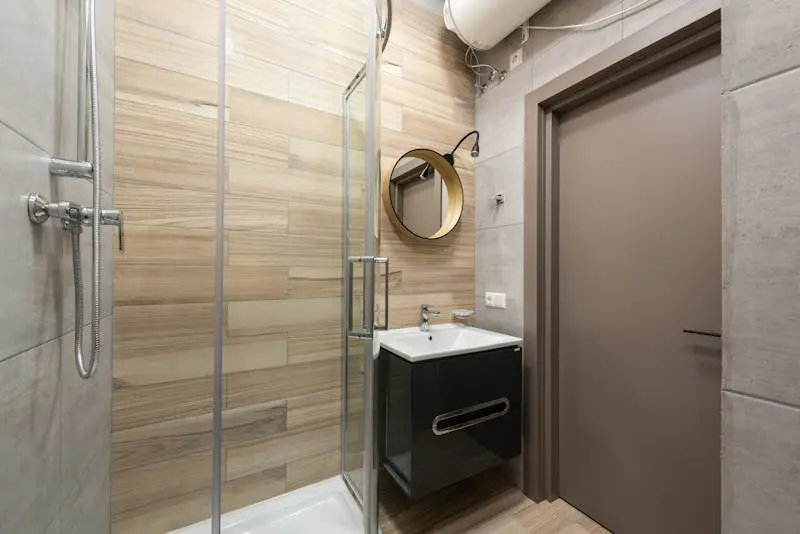
In a minimalist Scandinavian bathroom, the mirror is the perfect place to hide storage and tech because it keeps the surfaces visually clean.
Recessed Mirrored Cabinets
A Scandinavian medicine cabinet does not need to look like a bulky box from the 90s.
- Ask your contractor (or landlord, if they will allow it) about a recessed mirrored cabinet set into the wall so the mirror face sits almost flush with the tiles.
- Inside, configure shallow shelves for skincare, toothbrushes, and small items you do not want on the counter. Exterior stays calm and flat; interior does all the work.
I prefer oak or birch interiors if you are ordering a custom piece. You open the cabinet and still get that warm Scandi wood moment without seeing it from across the room.
Smart and Anti-Fog Features
In small bathrooms, steam build-up is a daily reality, and a fogged mirror kills both function and the sense of depth.
- Look for mirrors with built-in demister pads so they stay clear even after a hot shower.
- If budget allows, add simple tech like a touch on/off button, integrated clock, or even a dimmer. The key is to keep the interface minimal so it does not fight the clean Scandinavian aesthetic.
You do not need a full “smart mirror” with screens. A few quiet, invisible upgrades are usually enough.
Lighting Integration – The “Halo” Effect
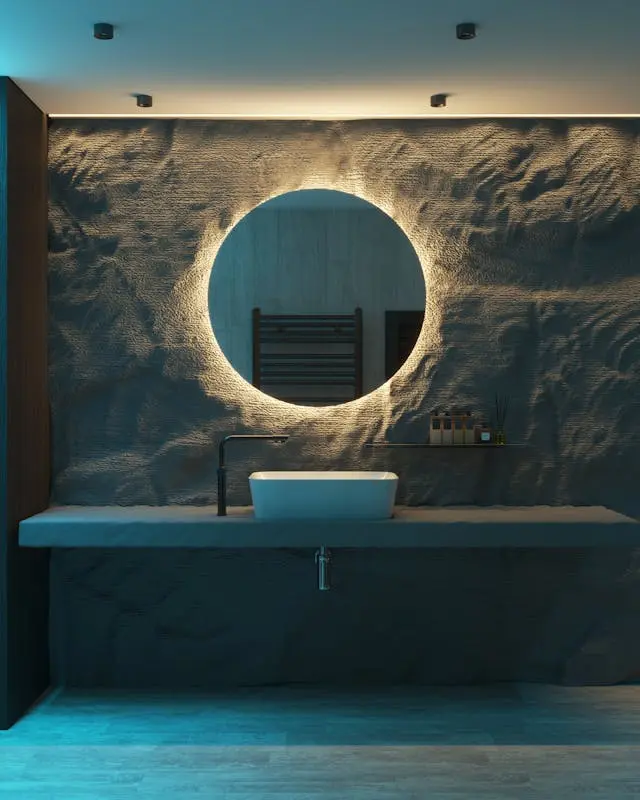
Many small, windowless bathrooms rely on a single ceiling light, which casts downwards and creates deep shadows under the eyes and along the walls. That makes the room feel lower and narrower.
Integrating light into your mirror is one of the most effective windowless bathroom lighting solutions you can install.
Why Backlit Beats Overhead
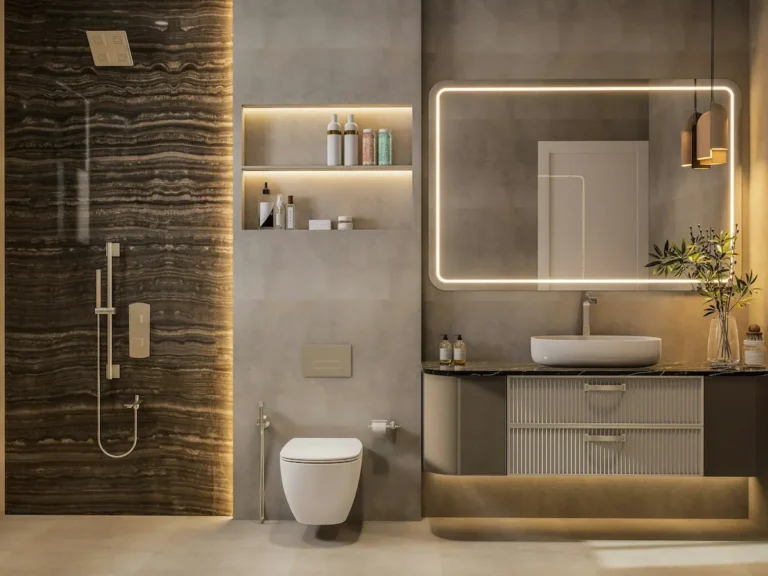
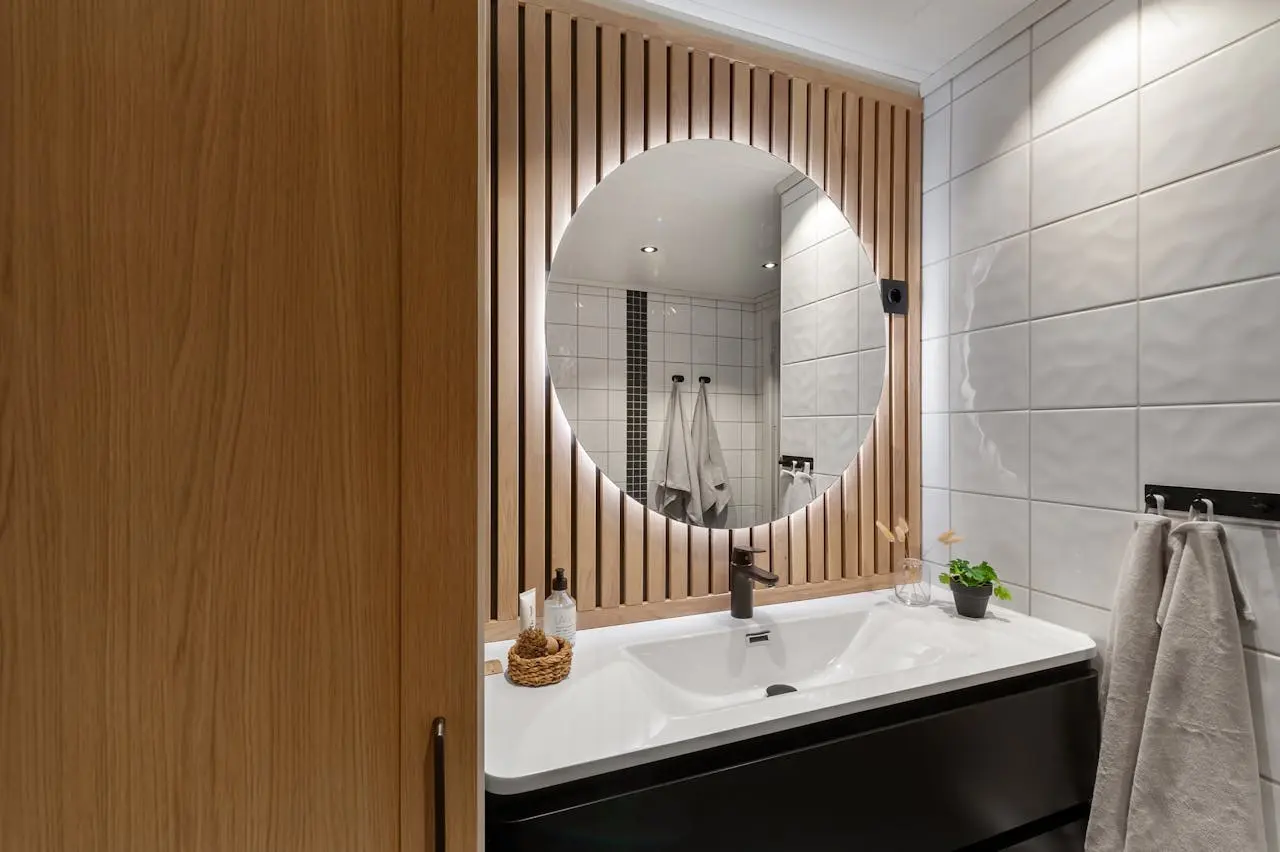
Backlit mirrors throw light onto the wall and around your face, not directly at the top of your head.
- The light washes the wall in a soft halo, which visually pushes the wall outward and makes the boundaries of the room feel further away.
- Because the LED strip is hidden behind the glass, you get even illumination without seeing harsh bulbs.
I recommend choosing backlit mirrors with LEDs in the 2700K–3000K range so the light feels like warm daylight, not a clinical office.
Side Lighting for Perfect Task Light
If you do a lot of makeup or grooming, consider pairing your backlit mirror with vertical lighting.
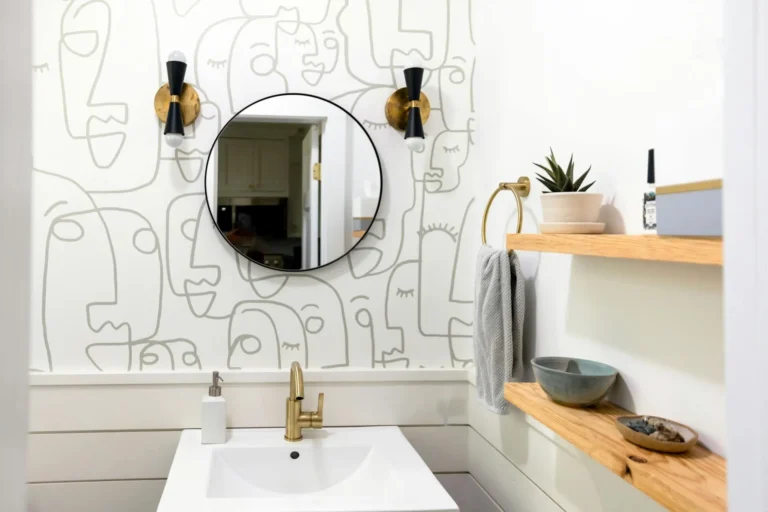
- Add slim wall lights on either side of the mirror at roughly face height. This reduces shadows on the face and gives very flattering, even light.
- Aim for a high CRI (Color Rendering Index) of 90+ so skin tones, hair color, and makeup shades read accurately.
You can keep the fixtures visually minimal – white, black, or small brass tubes – so the mirror still feels like the star.
FAQ
What size mirror is best for a small vanity?
In a small Scandinavian bathroom, I almost always recommend going as wide as the vanity allows. A mirror that matches the vanity width, or is just a few centimeters narrower, makes the wall feel broader and gives you more reflection to work with.
Height-wise, try to fill the space between the top of the tap and roughly eye level plus 20–30 cm above. Leaving a tiny mirror floating in a big empty wall will make the room feel smaller, not larger.
Are round mirrors good for small bathrooms?
Yes, round mirrors are still excellent for small Scandi bathrooms.
They leave soft “negative space” in the corners, which lets you see more of the wall tile and keeps the room feeling open. A simple round or pebble-shaped mirror above a floating vanity is one of the easiest ways to get that warm minimalism look without crowding the wall.
If your room is very narrow, I prefer a wide, low oval or pebble mirror instead of a perfect circle, so you still get that widening effect across the wall.
Can I use a floor mirror in a small bathroom?
I would not. Floor mirrors eat up precious floor area, collect water splashes, and complicate cleaning.
In tight Scandinavian layouts, wall-mounted mirrors are always the better choice. If you crave a full-height reflection, consider:
- A tall, narrow mirror mounted above a short ledge.
- Or a mirrored cabinet door in an adjacent hallway or bedroom instead.
You get the practicality of a full-length view without sacrificing the calm, uncluttered footprint of your small bathroom.
If you take nothing else from this, let it be this: in a compact Scandi bathroom, your mirror is architecture, not just an accessory. Size it generously, place it to bounce light and views, and let the lighting work quietly from behind the glass. The space will feel bigger, calmer, and far more intentional.