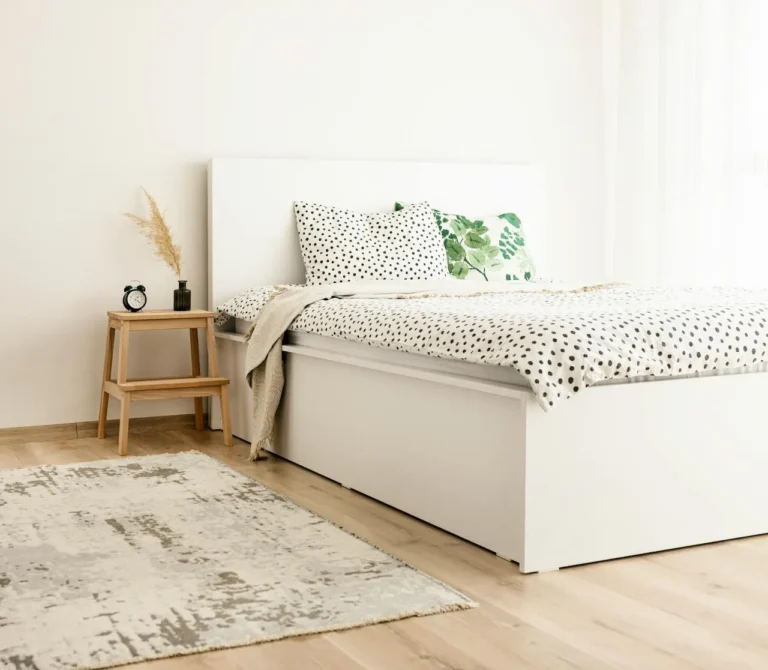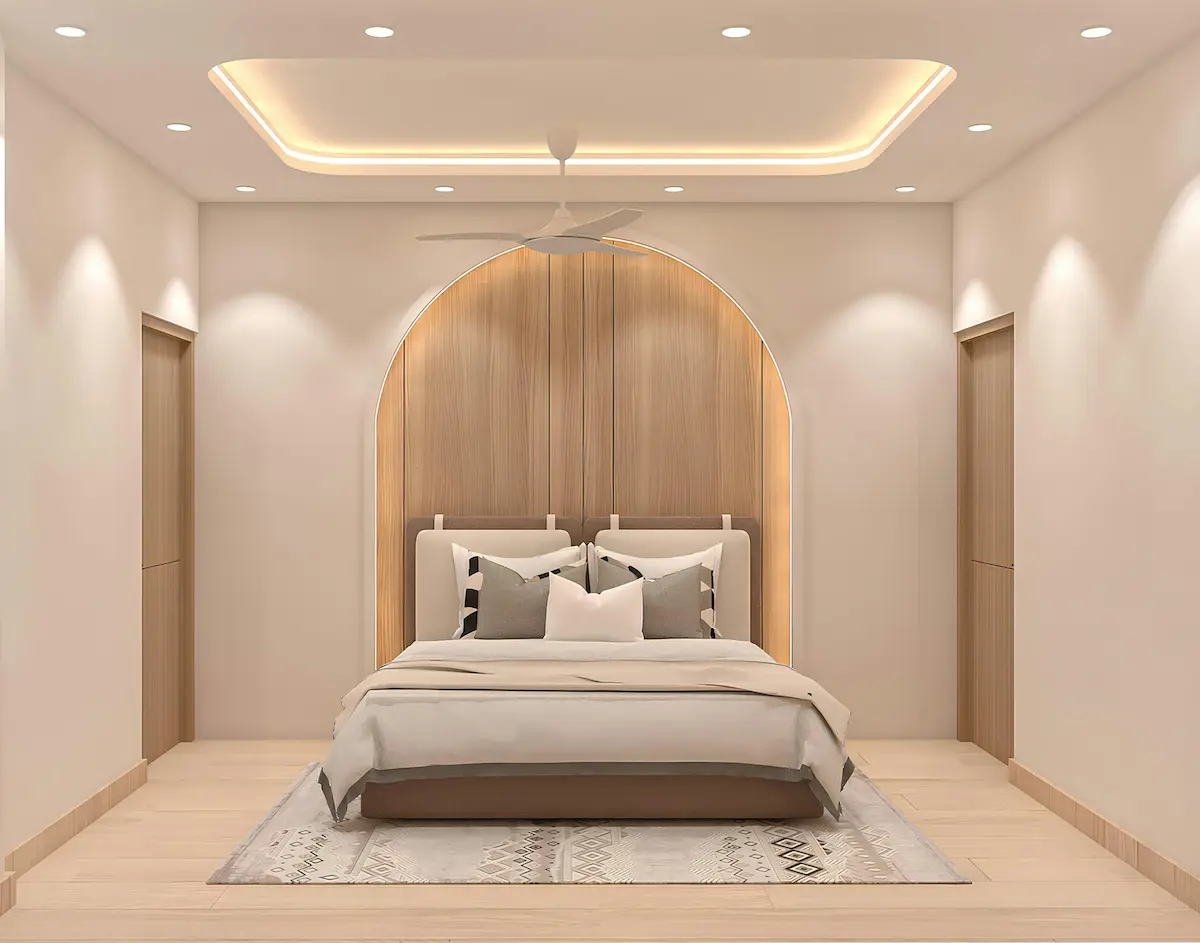
Neutral Aesthetic Bedroom Ideas: How to Create a Warm, Layered Retreat
If you love neutral aesthetic bedroom ideas but your room somehow keeps ending up flat, bland or “rental beige”, you’re not alone. Neutral does not automatically mean calm and stylish. In fact, a lot of “neutral” spaces feel cold simply because the undertones are fighting with each other.
For truly beautiful warm neutral bedroom decor, you need to think like a colorist, not just someone buying “cream” and “white”. The real secret is in how those neutrals mix.
The Secret Is Undertones
Here is the key idea that will completely change how you approach neutral design:
Neutrals are not actually neutral. Every “white”, “cream” or “greige” leans either warm (yellow, red, beige) or cool (blue, green, gray). A neutral bedroom feels expensive and aesthetic when you deliberately mix warm and cool in a controlled way so the room has depth, not dullness.
If all your neutrals are the same temperature, the room looks flat. If you mix them at random, the room looks “off” and slightly dirty. When you balance warm textures with cooler anchors (or vice versa), your bedroom suddenly has that designer-level glow you see in magazines.
Let me show you exactly how to build that.
The 5 Layers of a Neutral Room
When I design a neutral bedroom, I never start with cushions or decor. I walk through it in layers. If you follow these five layers in order, you will automatically land on a cohesive, warm neutral scheme that still looks interesting on camera and in real life.
Layer 1: The Base – Walls with Movement
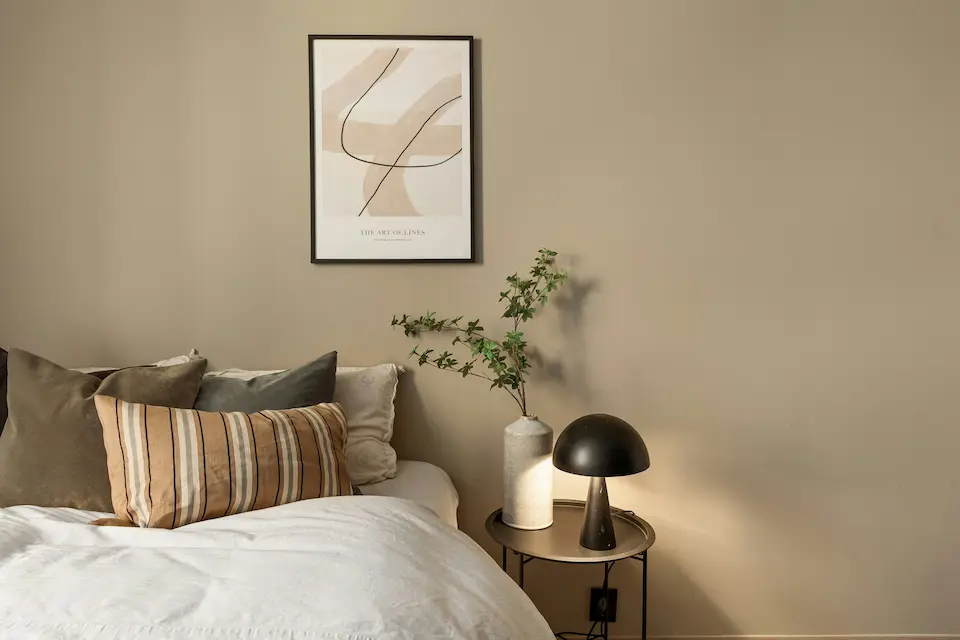
Your wall color is your canvas. In a neutral aesthetic bedroom, the walls should feel soft and atmospheric, not flat and chalky.
If your budget allows, I love:
- Limewash paints (for soft, cloudy movement)
- Roman clay / plaster-effect finishes (for a subtle, matte texture)
If you are using standard paint, look for:
- Soft whites and creams with gentle warm undertones
- Light greiges that sit between gray and beige
Think of shades like:
- A warm white similar to Benjamin Moore White Dove
- A greige inspired by Sherwin Williams Accessible Beige
These are just references; you don’t have to use those exact paints, but you want that soft, slightly warm, enveloping feel. Avoid stark, bright blue-whites on the walls in a bedroom; they can make the space feel more like a clinic than a retreat.
Layer 2: The Anchor – A Rug with Grit
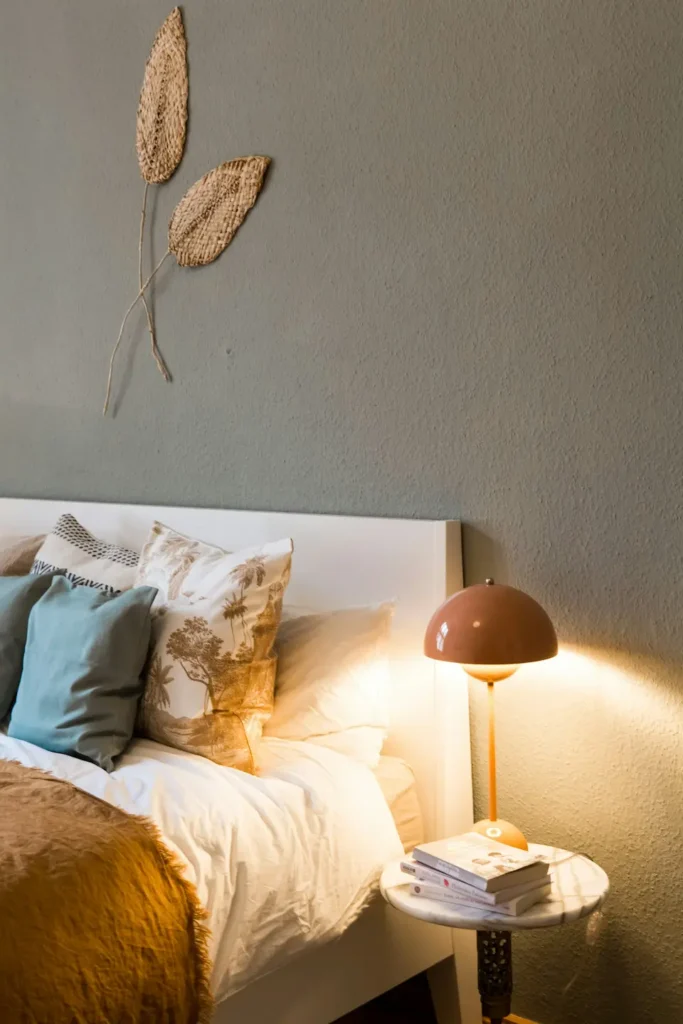
In a neutral scheme, the rug anchors the room both visually and physically. It stops all that softness from floating away.
For a neutral aesthetic bedroom, I recommend:
- Jute or jute-blend rugs
- They bring in an earthy, woven texture and a warm, sandy tone.
- Chunky wool rugs
- Ideal if you want more softness underfoot and better sound absorption.
Size matters here. I prefer:
- For a queen bed: at least 160 x 230 cm
- For a king bed: around 200 x 300 cm
The rug should extend beyond the sides of the bed so when you step out in the morning, you land on texture, not cold floor.
Layer 3: The Soften – Oatmeal Bedding
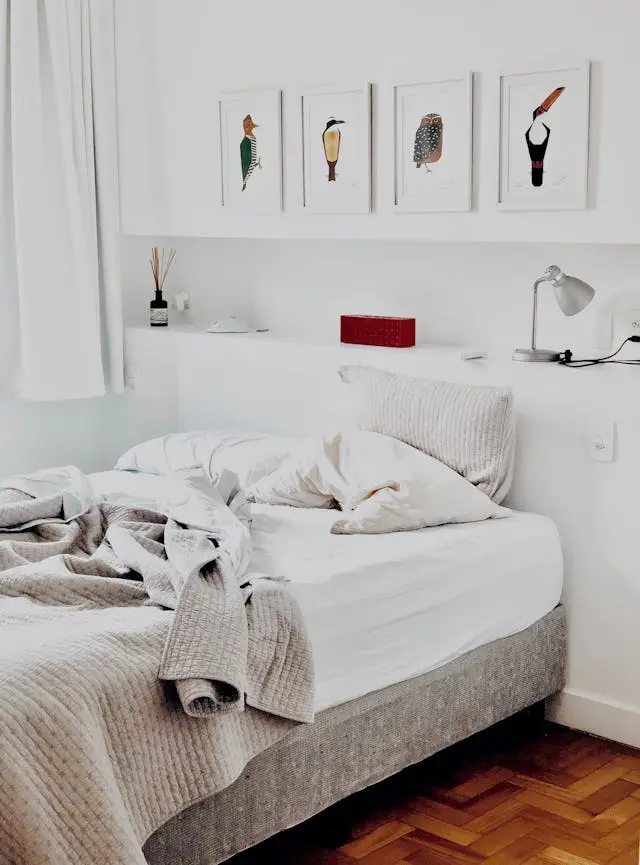
Then we layer in the textiles, especially on the bed, because in a neutral bedroom the bed is the star.
My favourite base formula:
- Washed linen or soft cotton bedding in an oatmeal or warm stone color
- White sheets if you like that crisp hotel feel, but keep the duvet cover and shams in something warmer
Why oatmeal? It is neutral, but it also adds a soft, cozy cast that instantly warms up cooler walls or flooring. In my experience, this one change alone can rescue a bedroom that feels a bit cold.
You can then layer:
- A quilt or coverlet in a slightly deeper beige or mushroom
- One throw in a deeper tone (camel, caramel, taupe) for the foot of the bed
Avoid having everything exactly the same shade of beige; you want a gentle gradient from light to medium.
Layer 4: The Warmth – Wood Tones
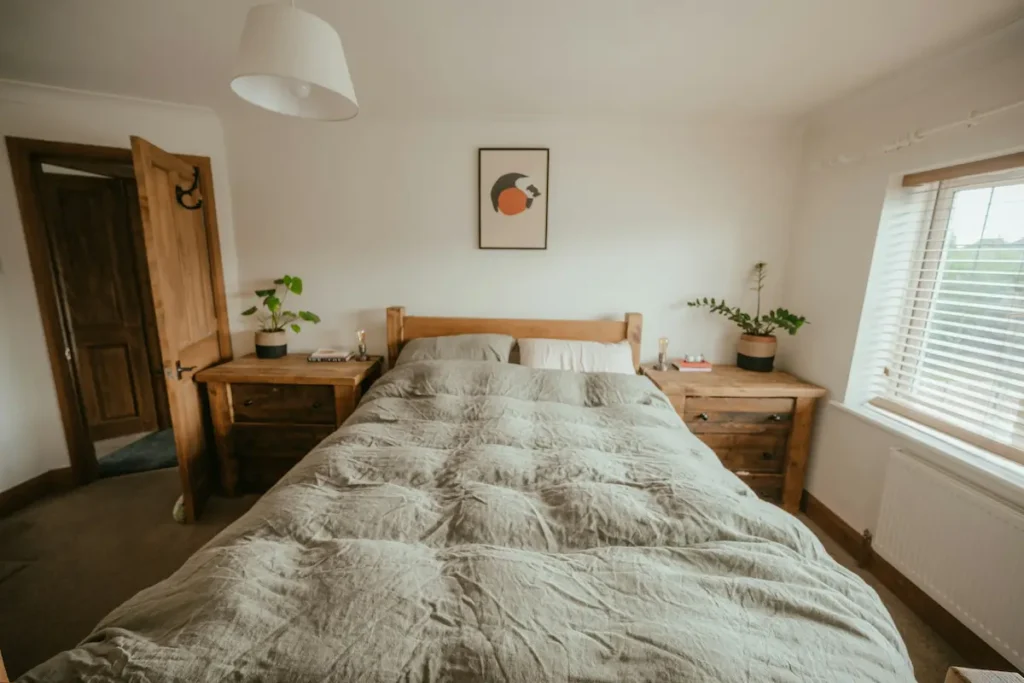
This is where your furniture does a lot of work. Wood is what brings life and warmth into a neutral aesthetic bedroom.
For a modern, warm neutral look, I recommend:
- White oak
- Pale, slightly warm, works beautifully with creams and greiges.
- Walnut, in moderation
- Deeper and richer; perfect for a nightstand, dresser or bed frame if your walls are lighter.
Try to avoid very orange “honey” woods unless your walls are clearly warm; they can clash with cooler or gray-based neutrals and make the room feel dated.
If you already own warmer, orange-toned wood pieces, balance them with:
- Cooler linen bedding (stone or greige)
- A jute rug that’s more natural and less yellow
The goal is to let the wood add warmth, not dominate the palette.
Layer 5: The Contrast – Metal and Details
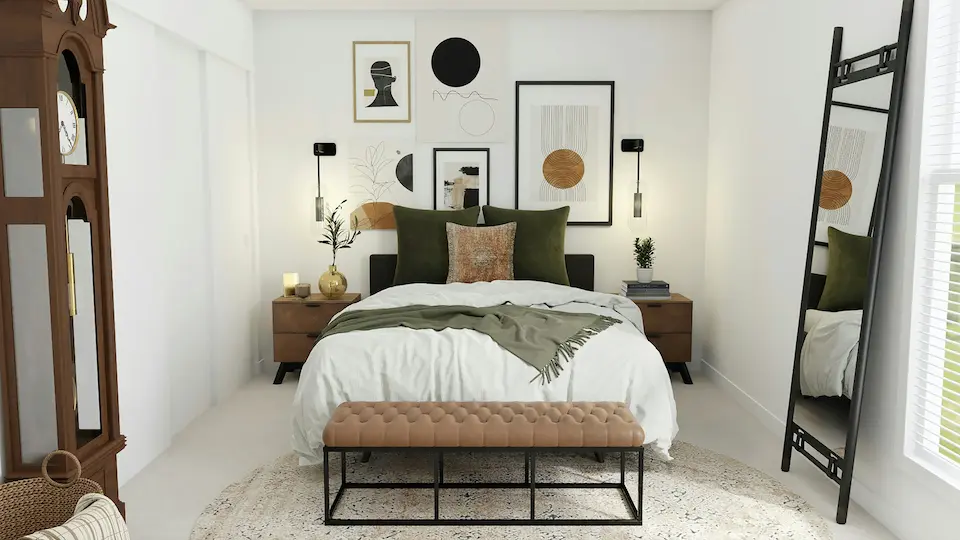
This is the final polish that stops your neutral bedroom from melting into a beige blur. You want a bit of crispness.
Good contrast choices:
- Black metal
- Bedside lamp bases
- Curtain rods
- Slim picture frames
- Soft brass or brushed gold
- Drawer pulls
- Bedside lamps
- Small decorative trays
You don’t need much. Even one or two black or brass pieces can give your warm neutral bedroom decor a clean edge and a more intentional, styled look.
Matching Wood Tones to Paint: The Undertone Guide
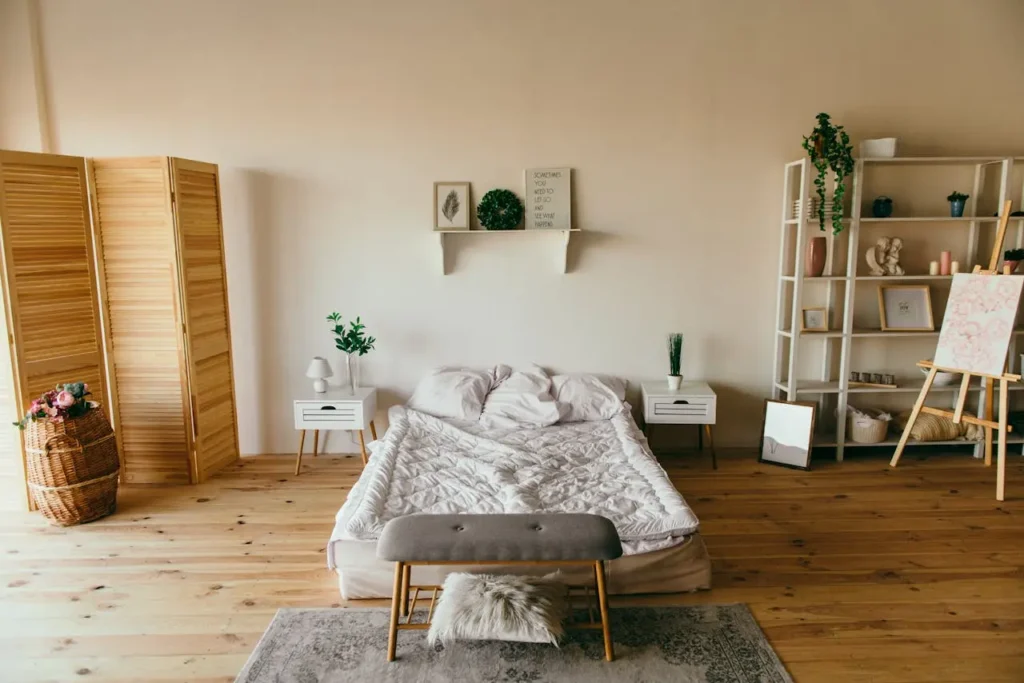
This is the part most people skip, and it’s exactly why their “neutral” rooms feel wrong. Wood and paint need to speak the same language.
A simple rule I use with clients:
If your paint has yellow or creamy undertones, pair it with warm woods (oak, light walnut, natural beech).
If your paint has blue or cool gray undertones, pair it with cooler woods (ash, espresso walnut, very pale whitewashed oak).
How to Read Your Paint Undertone
Stand near a window with a paint sample and compare it to pure printer paper:
- If the sample looks slightly buttery or creamy next to the paper, it’s warm.
- If it looks crisp, slightly blue or icy, it’s cool.
- If it looks almost like putty or mushroom, it may be more balanced or “greige”.
Then look at your wood:
- Warm woods have golden, honey, or reddish notes.
- Cool woods lean more gray, taupe or very deep brown without obvious orange.
In my experience, the easiest combinations for a neutral aesthetic bedroom are:
- Warm walls (cream / warm greige) + white oak furniture + soft black hardware
- Slightly cooler walls (soft gray) + ash or deep walnut furniture + brushed nickel or dark bronze accents
If you mix cool walls with orange wood and bright yellow brass, you’ll notice the room feels visually noisy even though everything is “neutral”. Matching undertones is what creates that calm, expensive look.
You Need One “Disruptor”
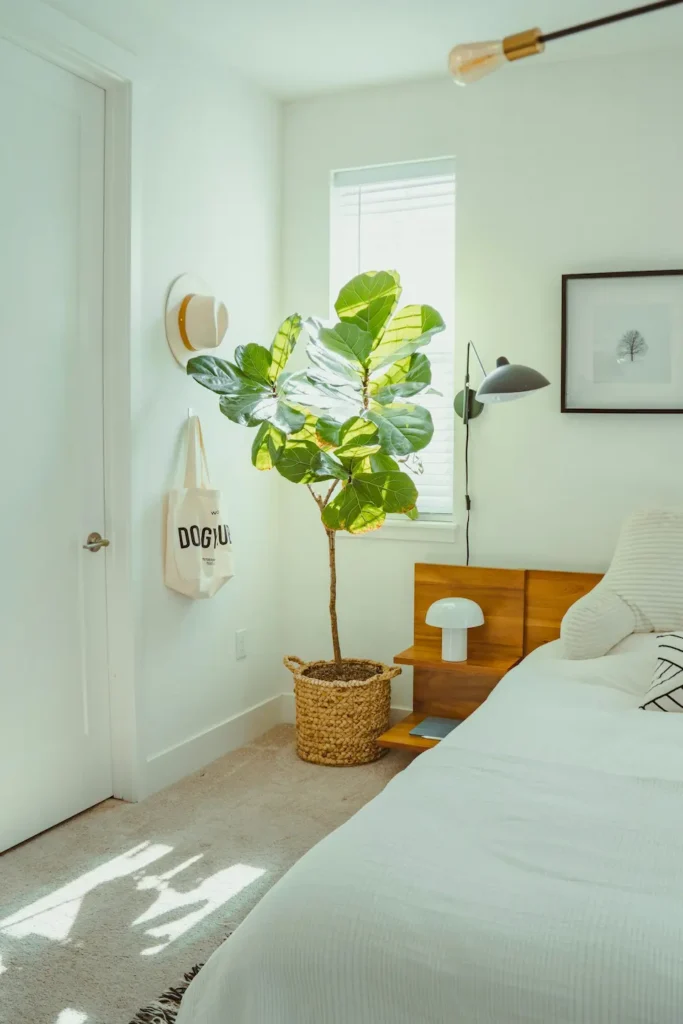
Here’s the part that often surprises people: a truly aesthetic neutral bedroom is not made of only soft, gentle things. You need one element that breaks the softness, just a little, to create focal interest.
Think of it as your “disruptor” piece.
What Makes a Good Disruptor?
It should:
- Still work within your overall palette
- Have more visual weight or contrast than the rest
- Draw the eye gently, not scream for attention
Some of my favourite options:
- A black metal lamp or floor lamp
- Works beautifully against oatmeal bedding and pale walls.
- Slim, simple lines keep it modern, not heavy.
- A large potted tree or substantial plant
- For example, an olive-style tree or tall ficus in a textured pot.
- The deep green against a neutral palette feels fresh and grounding.
- A piece of abstract art with heavy texture
- Think raised plaster strokes, fabric collage, or tonal brushwork.
- It can still be neutral in color (white, beige, taupe), but the texture becomes the focal point.
- A deeper accent bench or ottoman
- A caramel leather-look bench at the foot of the bed
- Or a deep charcoal upholstered bench against a light rug
In my experience, this single disruptor is what takes a room from “pretty” to “intentional”. Without it, everything can feel slightly washed out; with it, your neutral aesthetic bedroom suddenly has character without sacrificing calm.
Final Thoughts
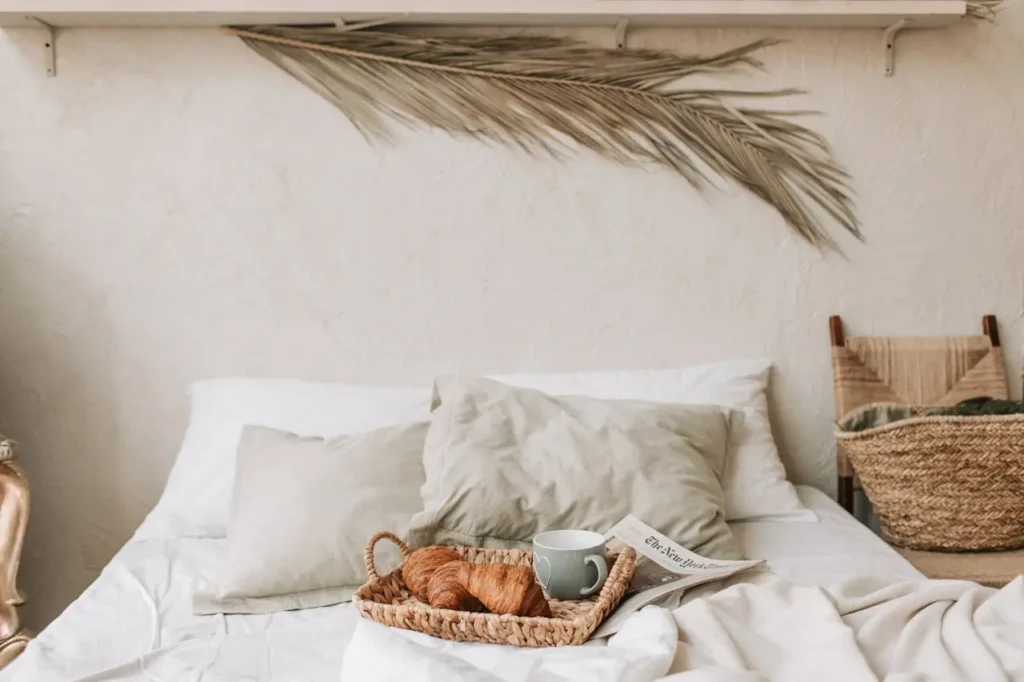
Designing with neutrals is not about playing it safe; it’s about getting the details right. When you understand undertones and work through the five layers of a room, neutral aesthetic bedroom ideas stop being vague inspiration and become a clear, repeatable formula.
If you remember only three things, let it be these:
- Balance warm and cool undertones instead of buying “any beige”
- Build your room in layers: walls, rug, bedding, wood, then metal
- Give your warm neutral bedroom decor one confident disruptor so it feels styled, not flat
Start by adjusting just one layer in your existing room – often a better rug or new wall color is enough to unlock the rest. Then build up slowly. A neutral bedroom should feel like a deep breath, not a rush job, and you absolutely can get there with thoughtful, simple choices.