Space Saving Living Room Ideas: The Double-Duty Guide to Maximizing Small Living Room Storage
If your living room has to be a playroom, movie zone, guest room and sometimes home office, you are not alone. Most of us are asking one tiny space to do the work of three. That is exactly where clever space saving living room ideas come in – and no, it’s not about cramming in more furniture. It’s about making every single piece earn its place.
In my own projects, there’s one rule I repeat so often that clients start saying it back to me.
The Double-Duty Rule (Your New Non-Negotiable)
The new standard for maximizing small living room storage is simple:
No piece of furniture gets a “visa” to enter your living room unless it does at least two jobs.
If it just looks pretty, it belongs in a showroom, not in your small space.
Think of it like this:
- Ottoman = Coffee table + Storage
- Top tray for drinks and snacks
- Inside space for blankets, toys, remote chaos
- Lamp = Light + USB / Charging base
- You free up side tables from messy extension cords
- Bench = Seating + Shoe / basket storage underneath
- Sideboard = TV console + Hidden storage for games, paperwork, prayer mats, anything you don’t want on show
Once you look at your living room through this “Double-Duty” lens, you’ll immediately spot what is just taking up air and what is actually giving you value. Start by editing, then bring in the clever pieces.
Now let’s layer on the structure and storage that makes a compact room feel calm instead of cramped.
H2: The “Library Wall” Effect
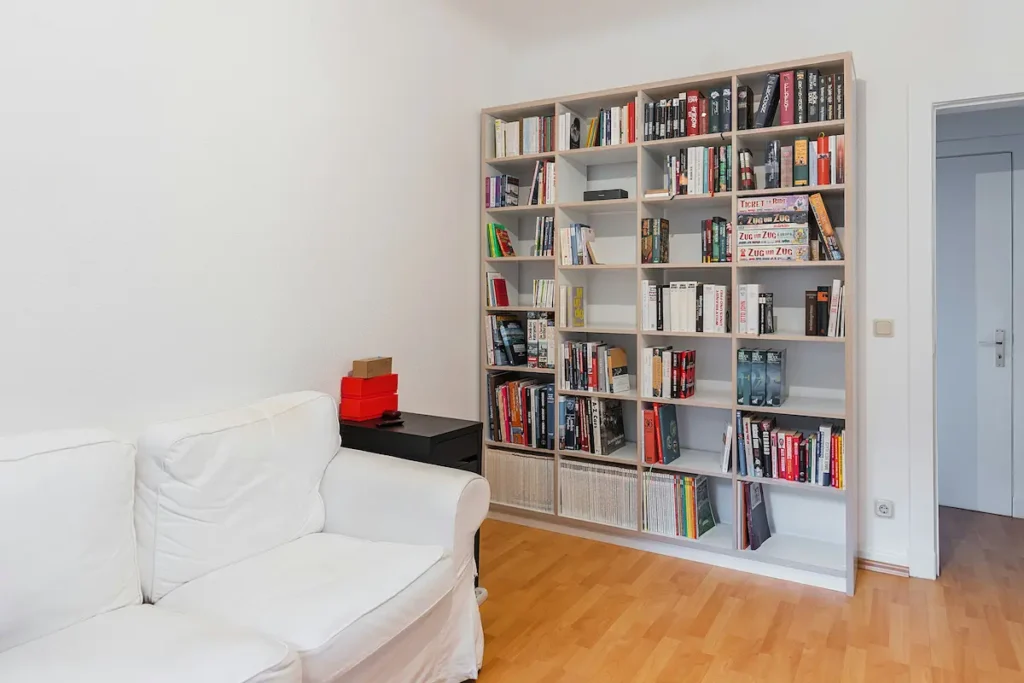
Most small living rooms suffer from the same mistake: lots of tiny storage pieces sprinkled around the room. A small cube shelf here, a skinny bookcase there, a random cabinet in the corner. All of that visual noise eats up floor space and still doesn’t hold very much.
Instead of five small units, build one strong “library wall” on a single side of the room.
Why one big unit looks better (and works harder)
I know it feels counter-intuitive, but:
- One floor-to-ceiling piece actually makes the room feel taller
- Your eye travels upward instead of hopping from one low piece to another.
- It creates a clear “backdrop”
- The sofa and coffee table sit in front of a calm, unified wall of storage.
- It swallows everything
- Books, paperwork, board games, extra cushions, kids’ toys, TV accessories – all in one place instead of scattered.
How to design a space-saving library wall
You don’t need custom joinery to get the look. You can create it with budget pieces, as long as you’re consistent.
Focus on:
- Full height
- Aim for units that go as high as possible (or add a top shelf above standard units to reach close to the ceiling).
- Closed + open mix
- Closed cabinets or baskets at the bottom for visual calm.
- Open shelves higher up for books, plants, and a few framed prints (no figurine clutter).
- Slim depth
- For small living rooms, I prefer units around 30–35 cm deep. Deep wardrobes belong in bedrooms, not lounges.
A simple formula that works well:
- Lower third: cabinets or doors (hide the chaos).
- Middle third: open shelves for pretty, functional things you actually use.
- Top third: rarely used items in boxes or baskets.
If your room is really narrow, keep the library wall on the shortest wall so you don’t make the room feel even longer.
H2: Furniture That “Disappears”
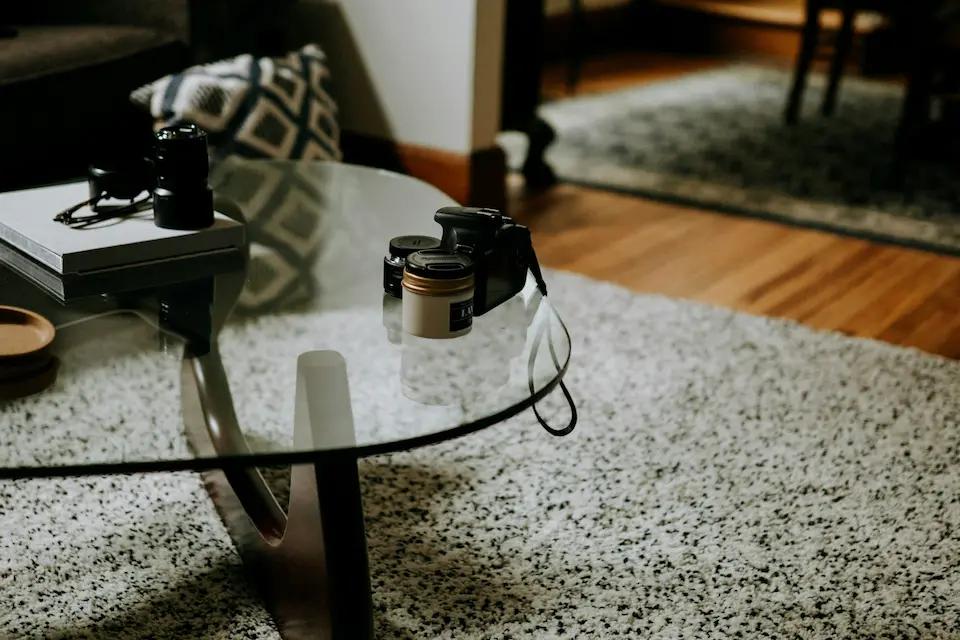
Once your main storage is sorted, the next step is to reduce visual weight. In a small living room, heavy-looking pieces make the space feel smaller even when the measurements are fine.
The trick is to choose furniture that seems to almost disappear.
Play with transparency and slim lines
Here’s what I reach for often in space-starved rooms:
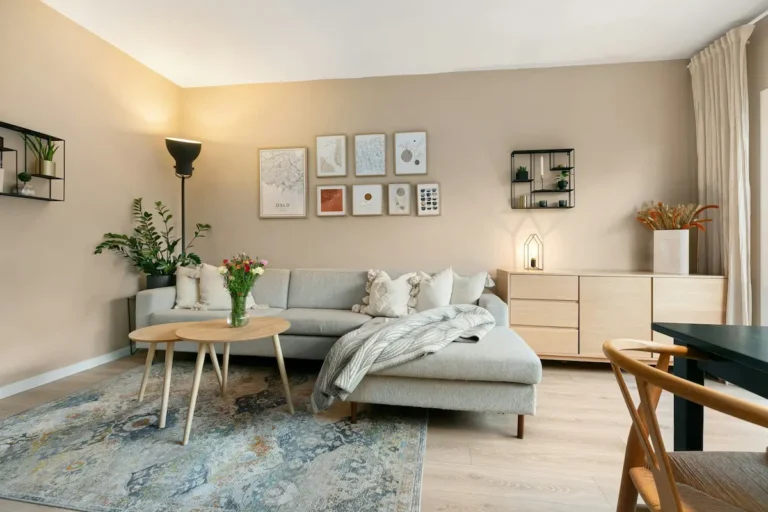
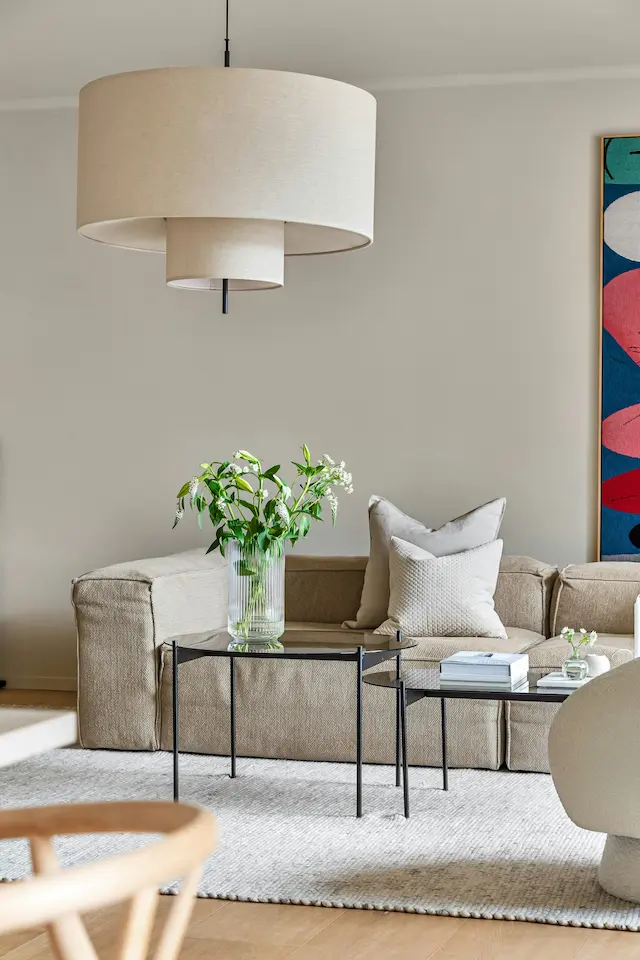
- Acrylic or glass coffee tables
- They give you a surface for books and tea, but your eyes still see the rug and floor underneath.
- If you already have a lot of wood, transparent pieces balance the room and prevent it from feeling heavy.
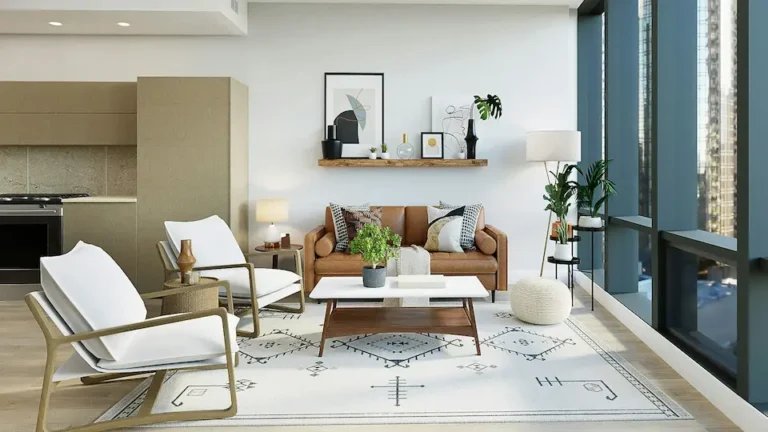
- “Leggy” sofas and chairs
- Choose designs with tall, slim legs so light can pass under them.
- Boxy sofas that sit flat on the floor visually “block” the room and make it feel chopped up.
- Floating sideboards or wall-mounted shelves
- When storage comes off the floor, the room immediately feels bigger.
- Even if you install them at a standard height, seeing the skirting board and floor continue underneath keeps the walls looking lighter.
In my experience, even swapping just one bulky piece (like a heavy wooden coffee table) for something lighter and more transparent can change how the room feels.
Nesting tables: the ultimate space hack
If you like to host but don’t have space for a huge coffee table all the time, nesting tables are your best friend:
- Keep them stacked on a day-to-day basis – they read like one compact piece.
- Pull out the smaller ones when guests arrive for extra surfaces for drinks and snacks.
- Slide one next to a chair as a temporary side table, then tuck it back when you want to stretch out or pray or do a quick workout.
I prefer nesting sets in:
- Light wood or neutral metal finishes
- Round or soft-square shapes (sharp corners are not kind to small rooms)
Avoid very fussy bases that show every cable and socket behind them. Clean lines are your allies when you’re trying to make a room visually “disappear” around you.
H2: Reclaiming Space from Technology
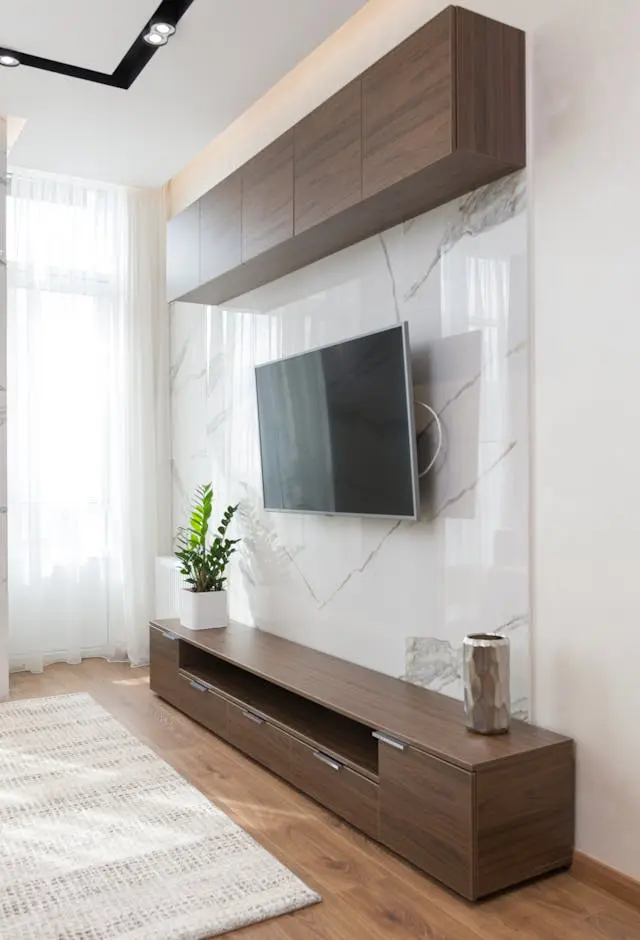
Technology is wonderful, but big black boxes on chunky stands are not. If your living room is small, tech can quietly steal half of your precious floor space.
Let’s give you some of that back.
Step 1: Ditch the oversized TV stand
Traditional TV stands are often:
- Too deep (45–55 cm)
- Too high (blocking windows or visually chopping the wall)
- Full of open cubbies that collect clutter and dust
Instead, I recommend:
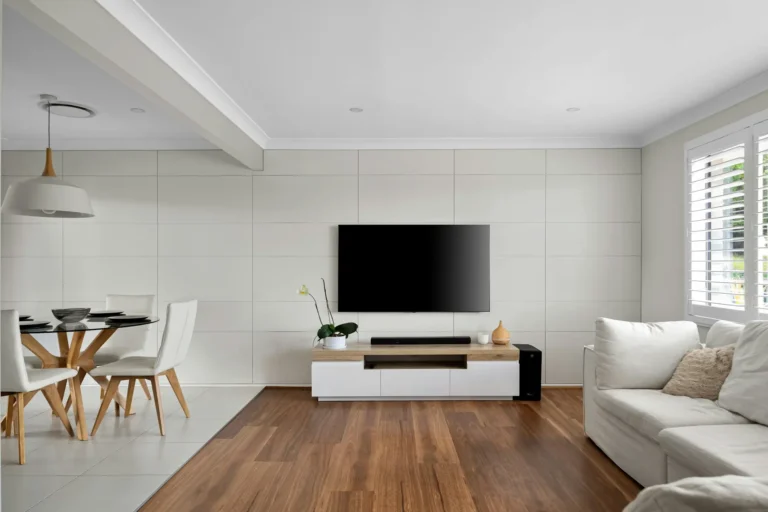
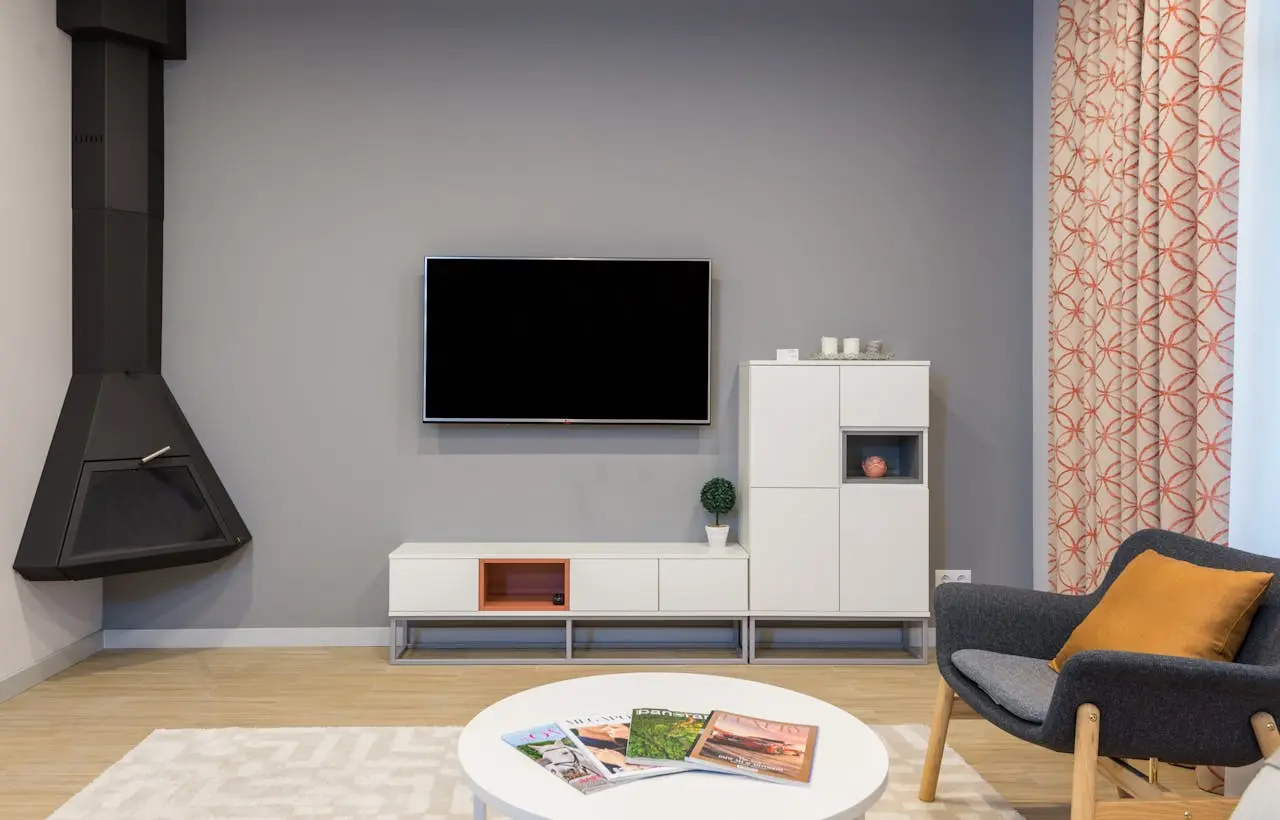
- Wall-mounting the TV
- This instantly frees the floor and lets you use a slim, low console or even no console at all if you have your library wall doing the storage job.
- Aim to place the center of the screen at seated eye level (around 100–110 cm for most people).
If you really don’t want to drill into walls, choose the narrowest, lowest unit you can find with closed doors. Think of it as a storage sideboard first, TV support second.
Step 2: Let the TV double as art
If budget allows, screens with art display modes are excellent for small living rooms:
- They prevent the TV wall from feeling like a black hole when it’s off.
- They allow you to keep the walls clean – no need for extra art around the TV to “disguise” it.
If you don’t have that kind of TV, you can still soften things by:
- Placing a simple framed print on the console
- Adding a small plant or a stack of books to one side
- Keeping everything symmetrical and calm so the wall doesn’t feel chaotic
Step 3: Hide the sound system
Sound systems and speakers can quickly swallow surfaces if you let them. To keep things tidy:
- Mount a soundbar directly under the TV
- Many can be attached to the same bracket or hung just below on the wall.
- This means no extra cabinet depth just for speakers.
- Avoid multiple small speakers on stands in a tiny room
- They might improve sound slightly, but the visual clutter is rarely worth it in a truly small living space.
- Tuck routers and boxes inside closed units
- Drill a neat cable hole at the back (or use an existing grommet).
- Use cable clips or ties to keep cords running vertically or horizontally, not in messy diagonals.
In my experience, as soon as the tech “stack” is simplified and lifted off the floor, the room feels more peaceful and suddenly you see where extra storage pieces can be removed altogether.
Final Thoughts
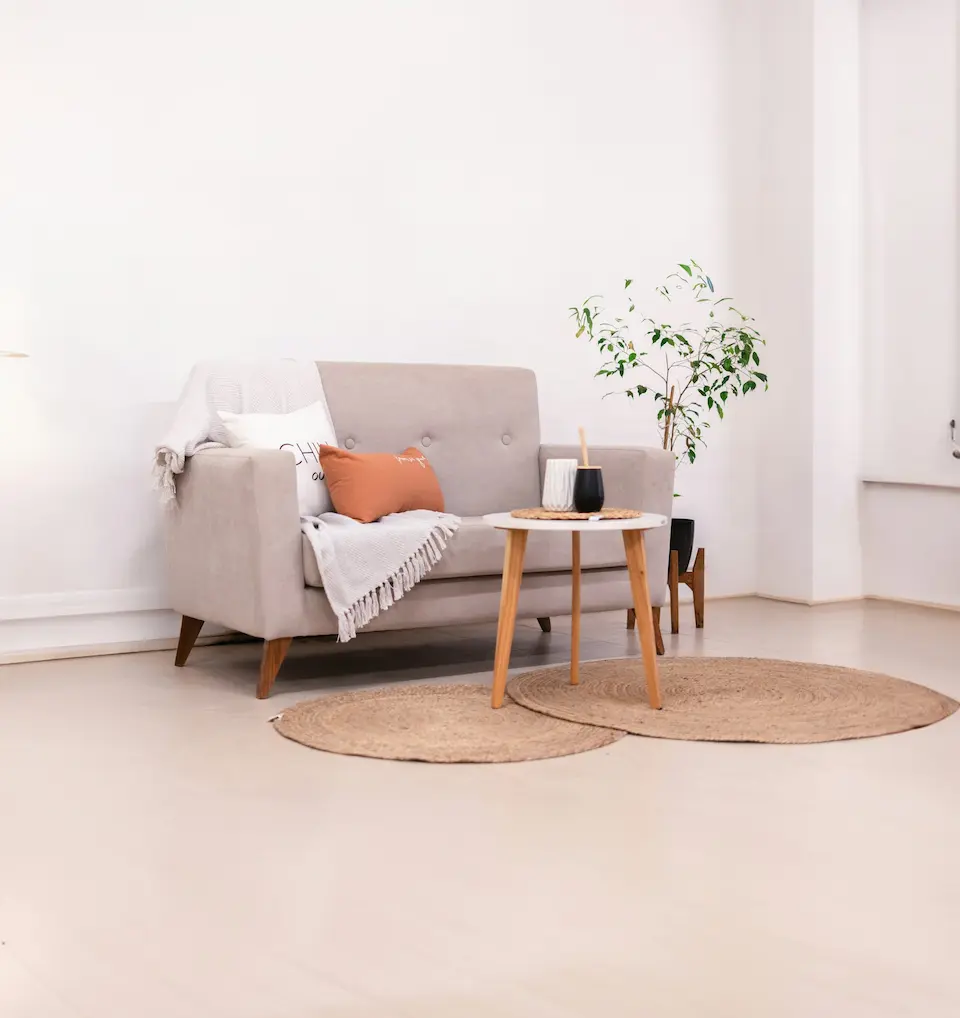
Smart space saving living room ideas are not about living with less comfort; they’re about letting your small space work at its full potential. When you:
- Follow the Double-Duty Rule
- Build one strong library wall instead of scattering small storage
- Choose furniture that visually disappears
- And reclaim lost space from bulky tech
you’ll find that maximizing small living room storage becomes a natural side effect of good design.
Start with one change – maybe swapping your TV stand for a wall-mounted setup, or planning that floor-to-ceiling storage on your most underused wall. Then edit the rest of the room with the “two functions or you’re out” rule in mind.
Your living room will feel lighter, calmer and a lot more grown-up, without needing a single extra square metre.