Grey Living Room Ideas: How To Use Grey In 2026 Without Making The Room Feel Cold
Grey living room ideas got a bad reputation because of one thing: the flat, icy “millennial grey box” that was everywhere around 2016. Grey floors, grey walls, grey sofa… and a space that felt like an office, not a home.
In 2026, grey isn’t cancelled. It’s upgraded. Designers are quietly replacing blue-based cool grey with warmer, stone-like tones, richer textures, and better lighting so rooms feel calm instead of cold.
If you’ve been stuck between greige vs cool grey, or you’re actively fixing a cold grey room, this is the guide I’d give a friend before they buy a single paint sample.
The Shift: From “Cool Steel” To “Warm Stone”
The “Millennial Grey” Mistake
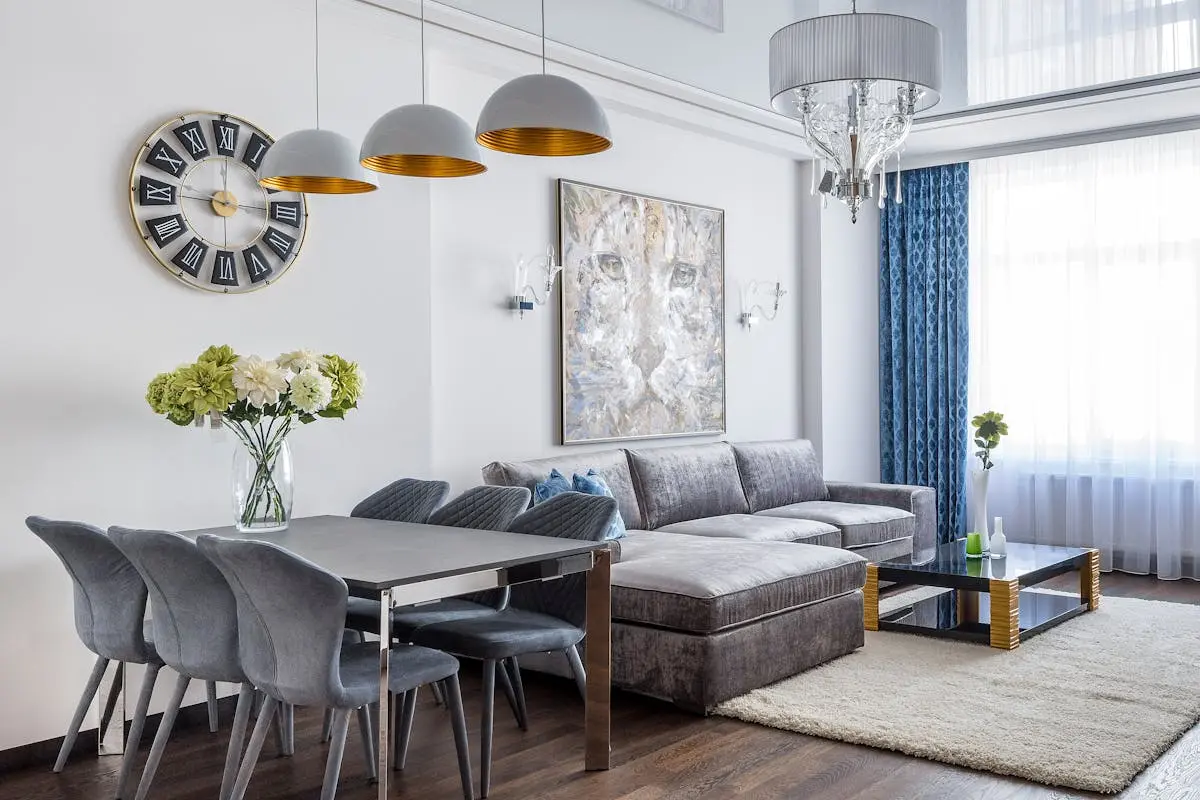
That old “everything grey” look felt cold because there was no contrast: same value on walls, floors, and sofa, plus cool LEDs on top of it. Your eye had nowhere to rest, and the space lacked both warmth and depth.
Most of those greys leaned blue or flat neutral, so in north-facing or overcast light they turned slightly purple and lifeless.
On top of that, grey wood-look floors removed natural wood grain from the room, so you lost the built-in warmth timber normally provides.
The 2026 Grey Palette
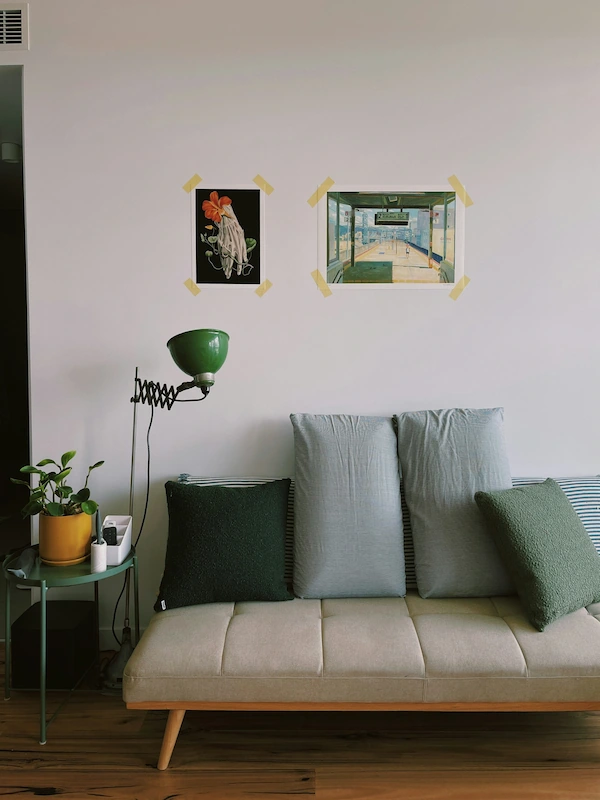
In 2026, grey living room ideas are moving from “cool steel” to “warm stone” and “weathered concrete.” Designers are reaching for:
- Pebble / Putty greys
Brown-based greys that feel like river stones or wet sand.
These work beautifully with oak, rattan, and camel leather and are effectively “warm greige” without the dull, 2010s beige-grey look. - Slate / Charcoal greys
Deep, moody greys with a tiny hint of blue or green, used on accent walls, cabinetry, or built-ins rather than every surface.
I like these with off-white walls and one big charcoal element (like a media wall) instead of drenching the whole room. - Green-grey “nature” neutrals
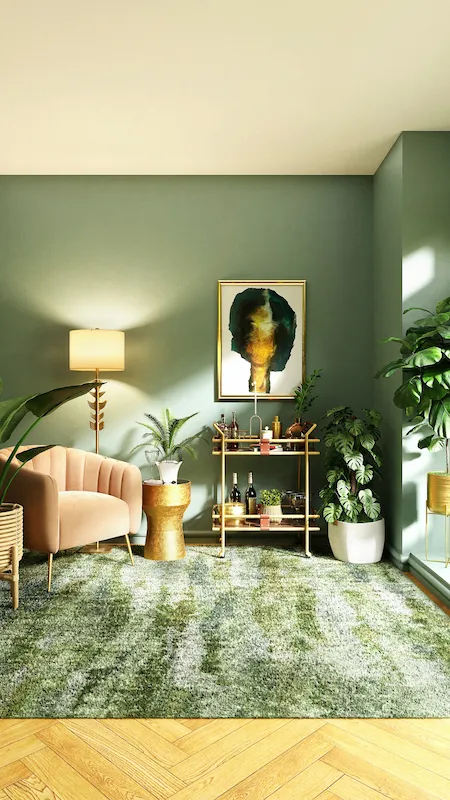
Soft grey with olive or sage undertones that reads like stone or eucalyptus leaves.
These pair really well with biophilic design – plants, linen, and textured stone – and feel calmer than pure cool grey.
If you’re unsure, assume warm grey paint colors are safer than cool ones in 2026. Cool greys are still usable, but they demand excellent lighting and plenty of wood to avoid a clinical feel.
How To Warm Up a Cold Grey Room
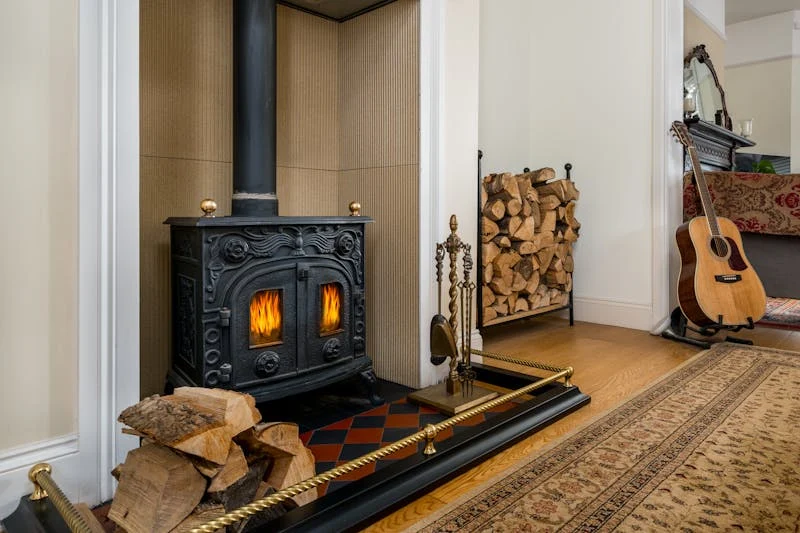
If you already have cool grey walls and floors, don’t panic. You don’t necessarily need to repaint immediately. You need to layer in warmth in three ways: wood, light, and texture.
The “Wood” Ratio
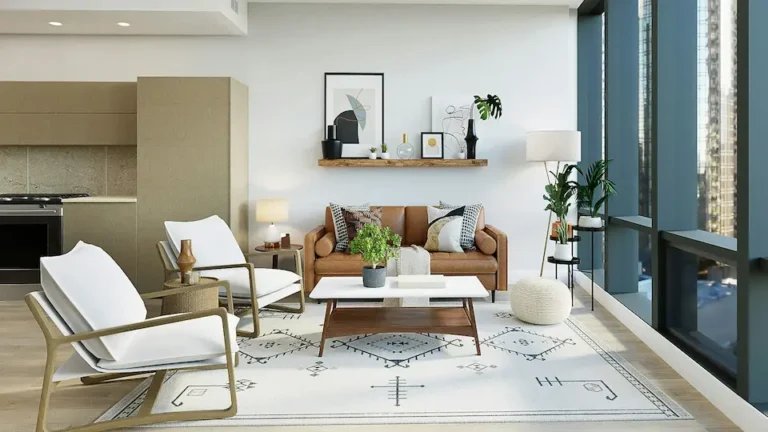
My rule of thumb: every dominant grey surface needs at least one honest, visible wood element nearby.
That might mean:
- A solid wood coffee table in front of a grey sofa.
- A timber sideboard on a grey wall.
- Wood frames or a wood floor lamp base in a corner that feels flat.
In my experience, one substantial wood piece per wall is enough to shift the mood from “office” to “home,” especially if the wood has visible grain and a mid-tone stain (neither very pale nor almost black).
The Bulb Swap
Cold grey plus cold light is where most people go wrong.
For living rooms, I recommend:
- 2700K bulbs if you want maximum warmth and coziness at night.
- 3000K bulbs if you like a slightly cleaner, gallery-style look but still want it to feel residential.
Avoid 4000K in a grey living room. On grey walls it reads like a waiting room and exaggerates every blue undertone.
If you can only change one thing this month, change the bulbs and add a couple of floor or table lamps at eye level before you rip out the paint.
The Texture Injection
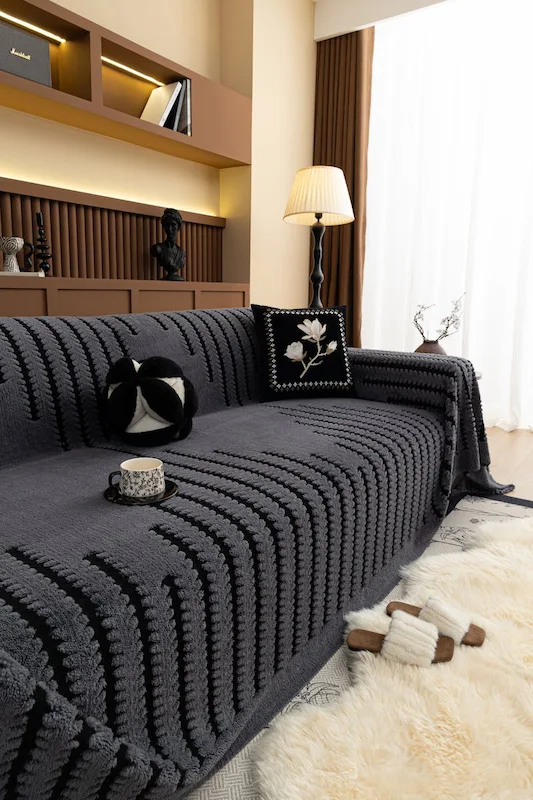
Flat grey fabric on a flat grey wall is what makes a space feel lifeless.
To warm things up quickly, I’d bring in:
- One leather piece (an ottoman, a sling chair, or even leather-trimmed cushions).
- One chunky knit or boucle throw in cream or camel.
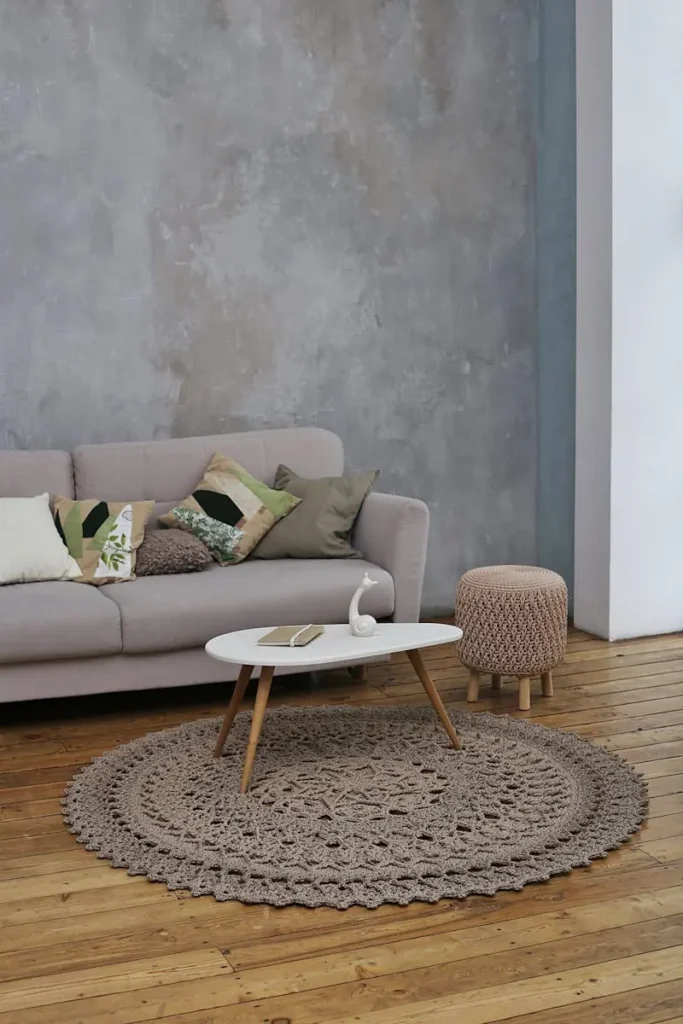
- A high-pile wool or Moroccan-style rug over the flat grey floor.
The trick is contrast: smooth wall + nubby rug, flat sofa + slouchy cushions, cool grey + warm, touchable textures.
What Colors Go With Grey In 2026?
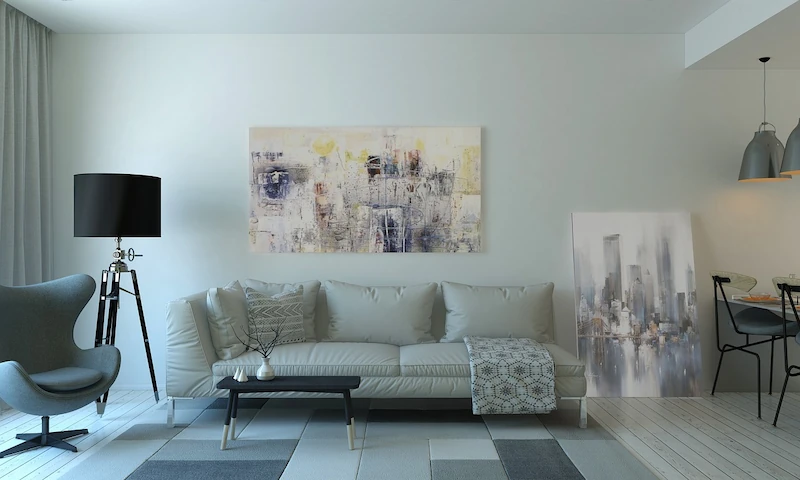
Think of grey as the backdrop and let warmer or deeper tones do the emotional work.
Grey + Rust / Terracotta
Rust-colored cushions, clay pots, or a terracotta throw instantly warm up greys and tie into the earthy trend designers are leaning into for 2026.
Grey + Olive Green
Olive art, a green accent chair, or cushions in mossy tones create an organic, European feel. This combo works especially well with pebble or putty greys.
Grey + Navy
Navy adds depth and formality. I like this pairing for more tailored, “grown up” living rooms: grey walls, navy velvet cushions, and a darker blue in the art or rug.
Grey + Mustard
Mustard can feel a bit 2018 if you overdo it. If you love it, keep it to one or two accents – a throw or a single cushion – rather than making it the main secondary color.
Greige vs cool grey comes down to what you pair it with: warm secondaries (rust, olive, camel) will always flatter a warm greige more than icy blues or bright whites.
Texture Is The New Color
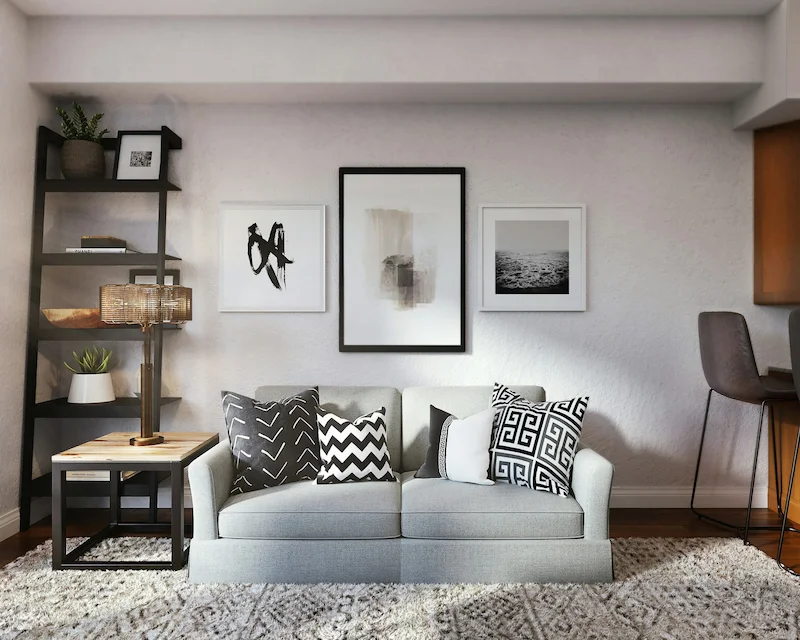
In a grey living room, the eye reads texture before it reads subtle shifts in shade. Treat “texture layering” like your color palette.
Limewash Grey
Limewash and mineral paints create cloudy, soft-edged walls that look like old stone rather than flat drywall. They instantly make a grey room feel more expensive and less “builder basic.”
If you already have grey walls you like, you can mimic the effect with a plaster-look finish on just one focal wall behind the sofa or the TV.
Concrete & Microcement
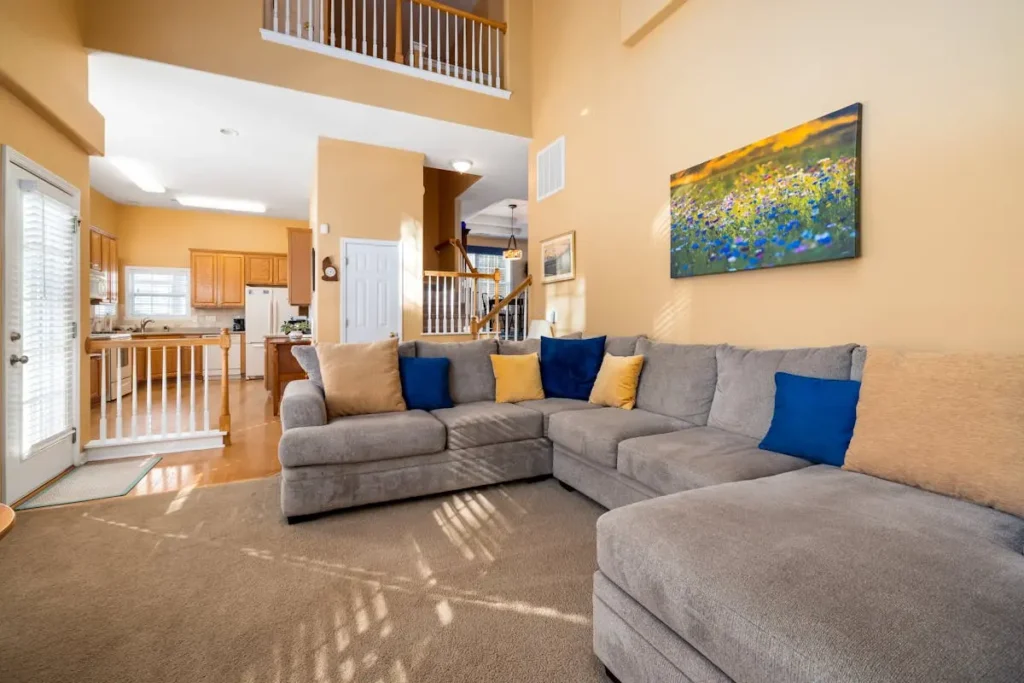
For modern and industrial spaces, concrete-effect plaster or microcement on a fireplace, bench, or TV wall gives you depth without adding another color.
In my experience, this works best if the rest of the room leans warm: oak shelves, linen curtains, and cream upholstery so the concrete doesn’t tip the room back into “cold.”
Tone-On-Tone Greys
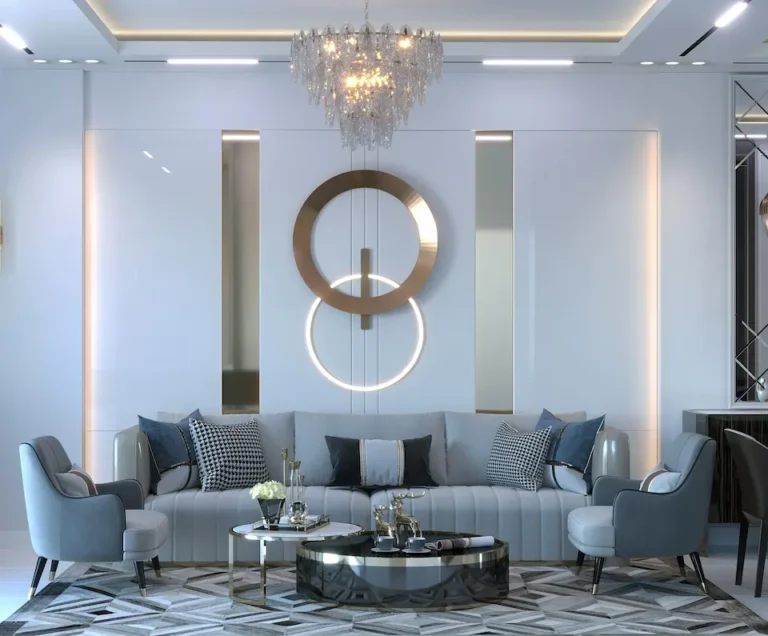
Layering several greys in one room works best when they’re separated by texture and value, not just tiny shade differences.
For example:
- Dove grey walls
- Charcoal wool rug
- Mid-grey linen sofa
- Almost-black metal lamp bases
Everything sits in the same family, but each surface feels different under your hand and in the light, so the room doesn’t flatten out.
The Best Grey Paints For Every Light
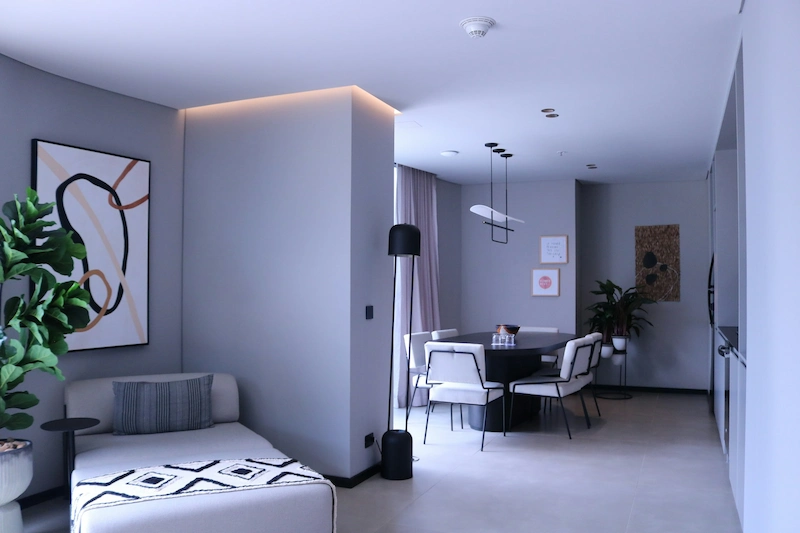
Paint behaves differently in north vs south-facing rooms, so “warm grey paint colors 2026” is not a one-size answer.
North-Facing Living Rooms
North light is naturally cool and slightly blue. In these rooms, cool greys can look drab or even lilac.
You want greys with beige, brown, or violet warmth built in.
Designers often reach for shades like Farrow & Ball Skimming Stone, a warm, light grey with subtle taupe undertones that reads soft and inviting rather than cold in low, cool light.
Whatever brand you use, look for words like “stone,” “putty,” or “taupe” in the description and avoid anything described as “crisp” or “cool” for a north-facing living room.
South-Facing Living Rooms
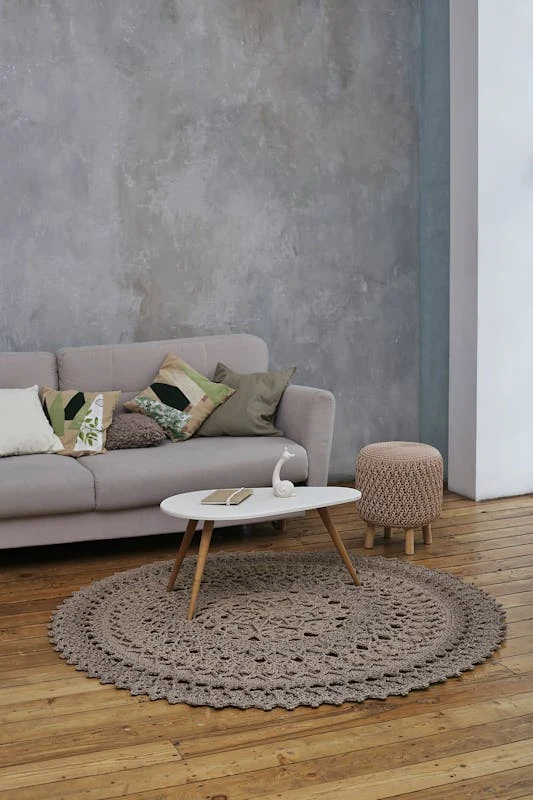
South-facing rooms get warmer, more golden light, so they can handle slightly cooler or more neutral greys without feeling icy.
A popular designer workhorse is Sherwin-Williams Repose Gray, often described as a light warm grey / greige with subtle green-violet undertones that stays balanced in bright light.
In south rooms, greige vs cool grey becomes more of a styling choice:
- Choose soft greige if you want a calm, Japandi-inspired space with wood, linen, and stone.
- Choose a smokier, cooler grey if your furniture and art are already warm and you want contrast.
How To Test Your Grey (So You Don’t Regret It)
- Paint two large swatches on different walls (one near a window, one in a darker corner).
- View them in morning, midday, and evening light with your actual bulbs on.
- Hold a sheet of pure white printer paper against the swatch: if the grey suddenly looks purple, blue, or green, that’s the undertone revealing itself.
If you’re nervous, choose the warmer option of your two finalists. In real rooms, slightly warm grey almost always looks better than slightly cold grey.
Quick Recap: Grey Living Room Ideas That Actually Work In 2026
- Retire the flat, blue-based “millennial grey box” and move toward pebble, stone, and green-grey tones.
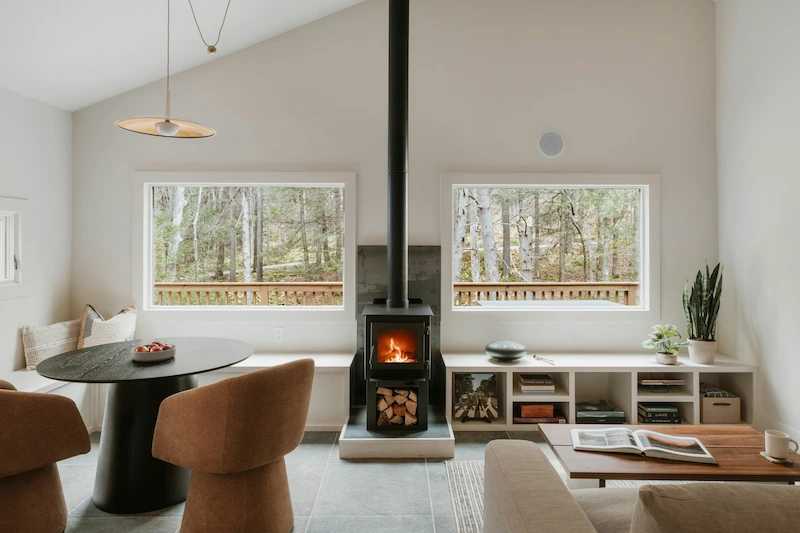
- Warm up a cold grey room with real wood, 2700–3000K lighting, and tactile textures like leather, wool, and chunky knits.
- Pair grey with rust, olive, navy, or carefully-used mustard instead of more grey.
- Treat texture as your color: limewash, microcement, tone-on-tone fabrics, and varied rug piles.
- Match your grey to the light: warm greys for north-facing rooms, flexible greige and balanced greys for sunnier, south-facing spaces.
If you’d like, next step I can help you pick two or three specific sample pots based on your room’s orientation, floor color, and sofa fabric so you’re not staring at 50 nearly identical greys.