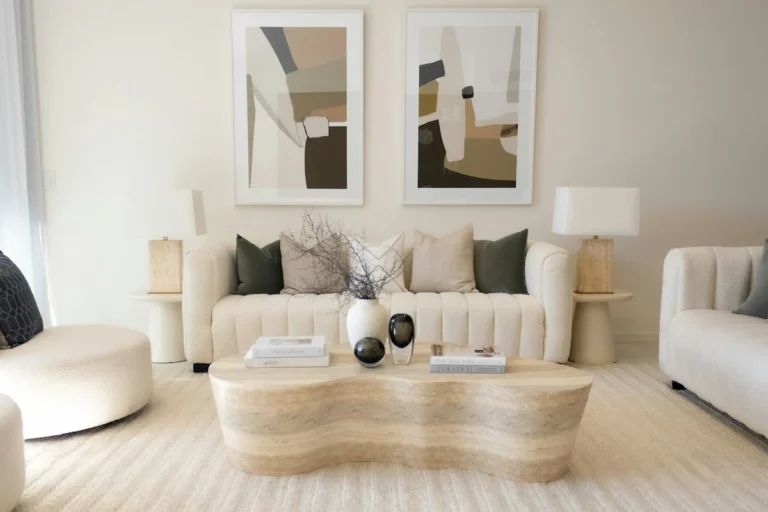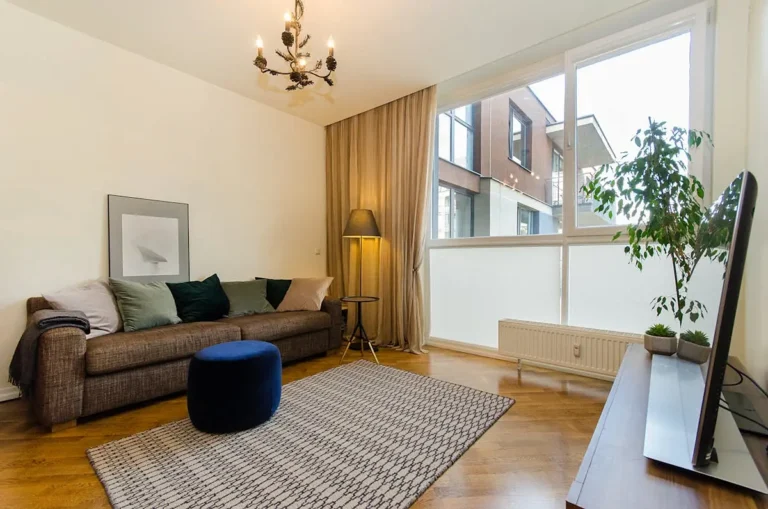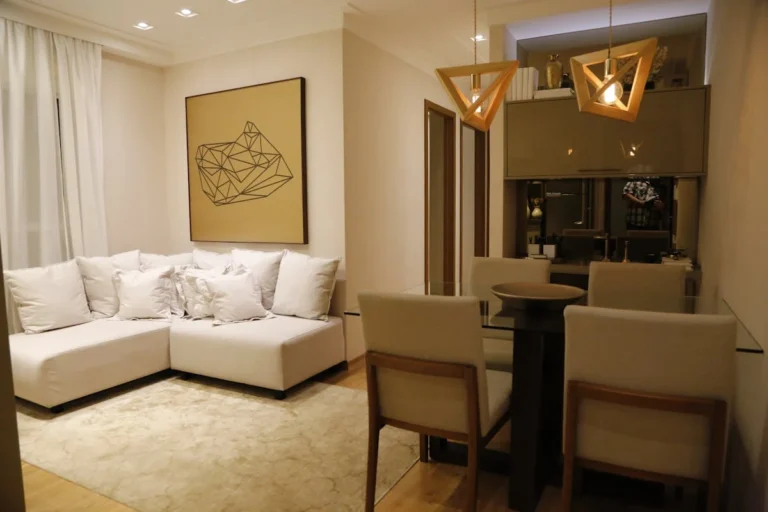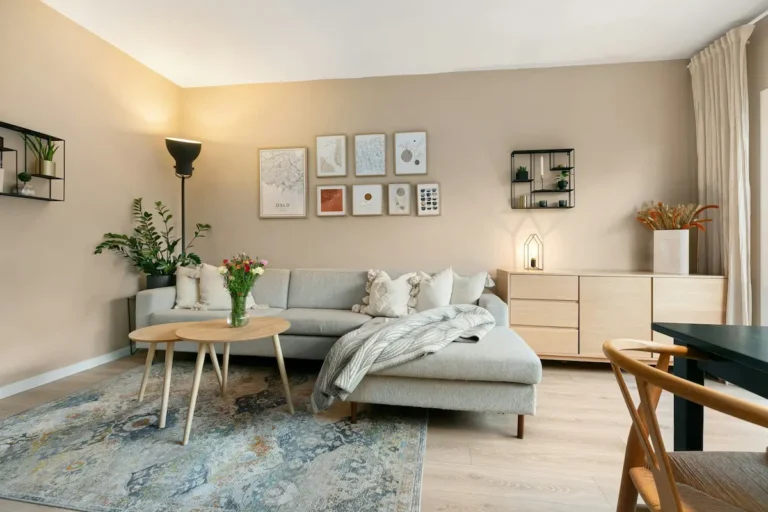
Living Room Accent Wall Ideas: Texture, Paint & Trends (2026)
Empty walls make a room feel unfinished, but cluttering them makes it feel chaotic. The secret is knowing the “Rules of Scale” and then bending them just enough to feel intentional.
When people ask me for living room accent wall ideas, they usually mean “Which wall do I paint a random bright color?” That era is over. The most powerful living room accent wall ideas: texture, paint & trends (2026) are closer to architecture than DIY craft.
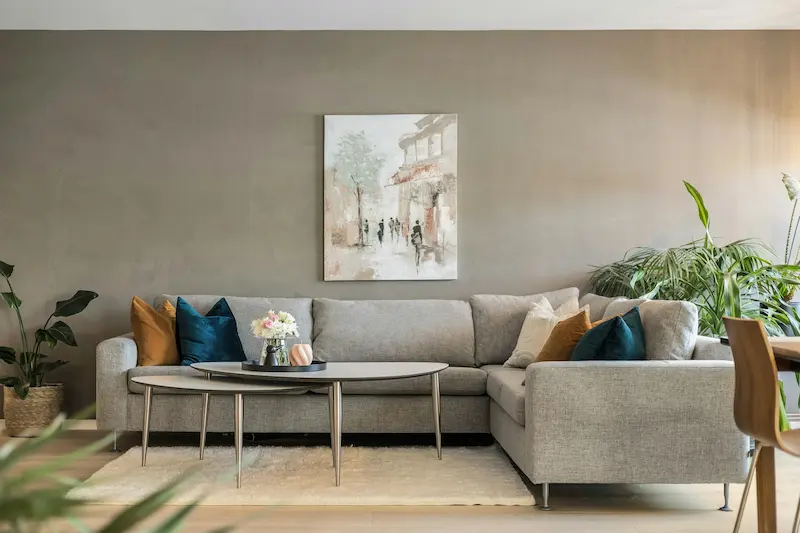
The most trending living room accent wall ideas for 2026 involve architectural texture (wood slats, board and batten), dark monochromatic colors (charcoal, navy), and natural materials (stone veneer, cork) rather than simple contrasting paint. Keep that in mind as we walk through the rules, textures, and color trends that actually hold up in real rooms, not just Pinterest close-ups.
How to Choose the Right Wall (The Rule Book)
Before we talk finishes, you need the right wall. An accent on the wrong wall never looks “designer”; it just looks random.
In my experience, if you only remember one thing from this guide, make it this:
“You are highlighting architecture, not just filling a blank.”
The Focal Point Rule
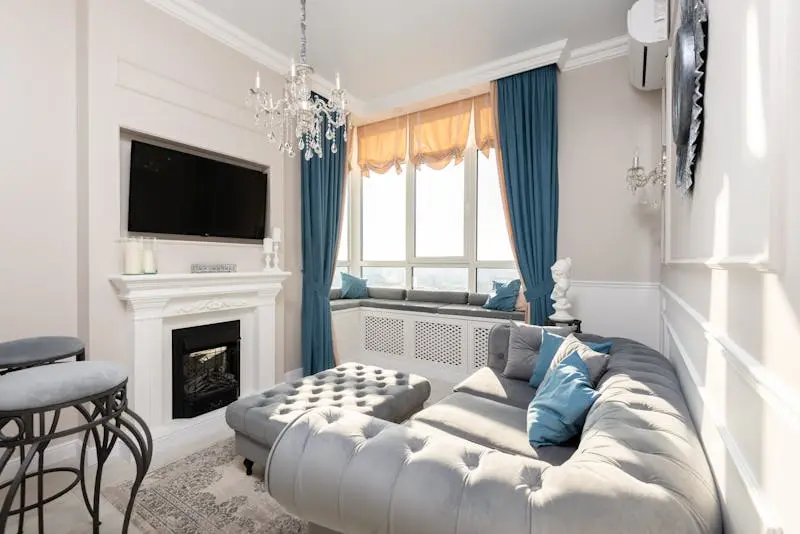
Always start with the wall your eye naturally lands on when you walk into the room.
Most often, that’s one of these:
- The TV wall
- The fireplace wall
- A wall with a strong architectural feature (arch, built-in, or a large opening)
If your TV and fireplace compete on different walls, choose one focal point and downplay the other. Don’t create two accent walls in a small or average-sized living room; it splits attention and makes the room feel busy.
The Solid Wall Rule
Accent walls look best on unbroken surfaces.
I recommend avoiding:
- Walls chopped up by several doors
- Walls with multiple small windows
- Walls that stop and start around pillars or odd jogs
Why? Because texture and dark paint amplify every break and corner. For a modern wood slat accent wall, you want a clean vertical sweep, not slats stopping and starting around five obstacles.
The Symmetry Rule
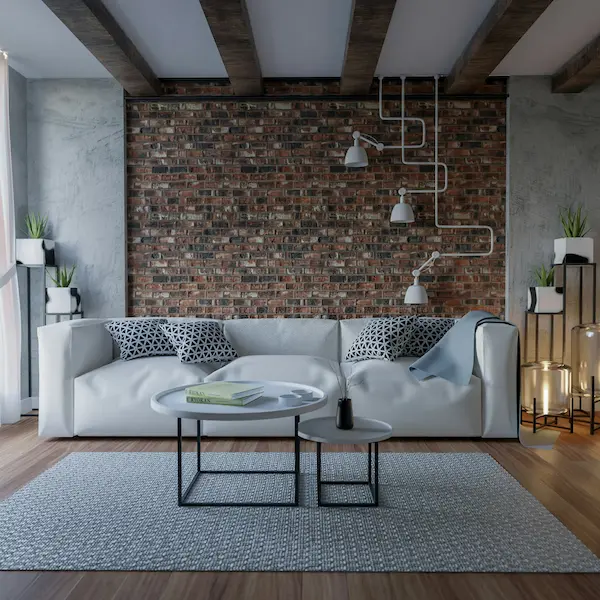
Whatever you put in front of your accent wall needs to feel anchored and balanced.
A few quick checks I use with clients:
- If the sofa is on the accent wall, it should sit centered, not awkwardly pushed to one side.
- If you’re using a stone veneer accent wall in the living room, make sure the TV or artwork above the console is also centered on that wall.
- Flank the focal point with matching or visually similar pieces (two sconces, matching plants, or a pair of slim bookshelves).
If the furniture layout can’t be centered on that wall, pick another wall. Accent walls highlight asymmetry just as easily as they highlight beauty.
Textured Accent Walls (The 2026 Trend)
Flat paint is the bare minimum now. Texture is what makes a living room feel layered and considered, especially in neutral or modern spaces.
Wood Slats (The Japandi Look)
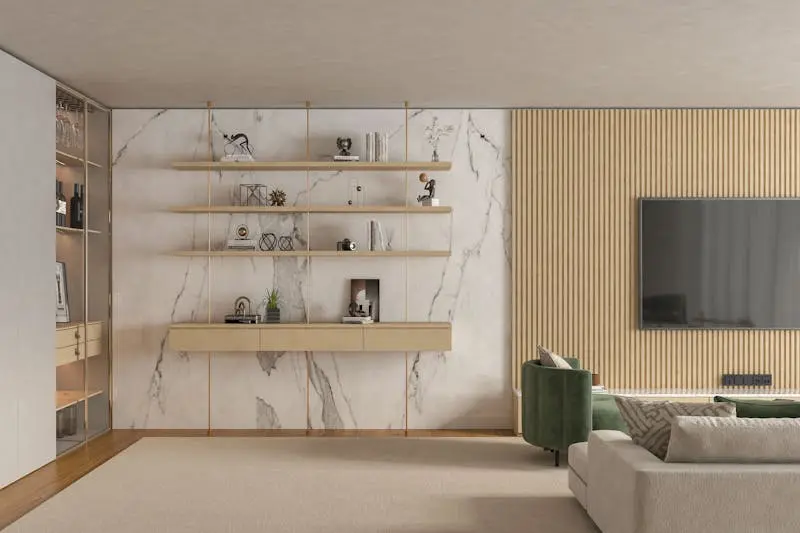
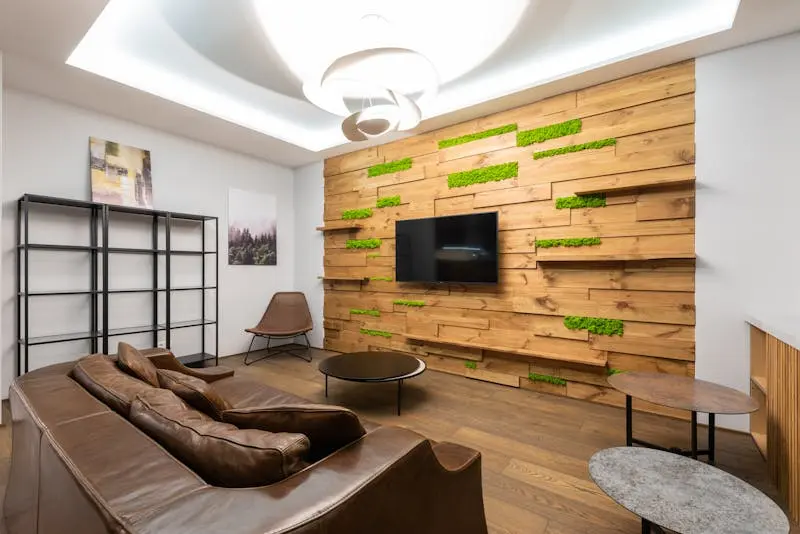
Modern wood slat accent walls are everywhere for a reason: they add warmth, height, and rhythm without feeling heavy.
A few practical guidelines:
- Spacing: I like slats that are 1–2 inches wide with ½–1 inch gaps. Anything wider starts to look like fence posts.
- Height: Take them from baseboard to ceiling. Stopping halfway up can look dated unless you’re doing a deliberate half-wall design.
- Finish: Natural oak, ash, or a light walnut stain work beautifully with both modern and Scandinavian-inspired living rooms. Avoid strong orange tones; they instantly feel cheaper.
In my experience, wood slats look best behind:
- A wall-mounted TV and low media console
- A simple, clean-lined sofa with minimal pillows
- A slim floating shelf with a few curated pieces (books, a plant, a simple bowl)
Board and Batten (The Modern Farmhouse)
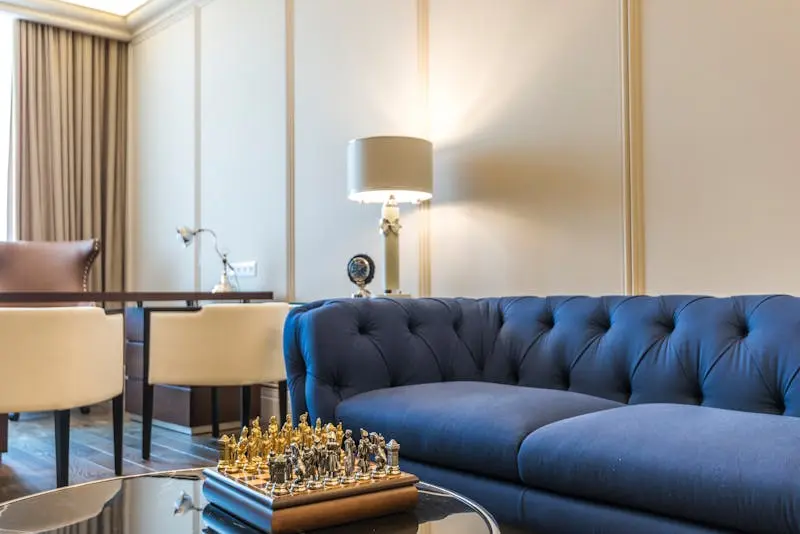
Board and batten used to scream “farmhouse,” but in 2026 it’s gone more minimal and geometric.
Tips I use when planning it:
- Keep the pattern simple: squares or tall rectangles. Avoid overly fussy grids.
- Paint everything (wall + trim) in the same color for a calm, tonal look.
- Use a satin or matte finish to avoid highlighting every roller mark.
Board and batten works especially well if you love modern rustic or modern traditional design and want a backdrop for a simple piece of art or a large round mirror.
Stone & Brick Veneer
A stone veneer accent wall in the living room adds weight and permanence when it’s done thoughtfully.
I recommend:
- Choosing stone with subtle variation (greys, taupes, soft browns) rather than high-contrast “patchwork” stone.
- Running the veneer from floor to ceiling around the fireplace or TV wall to make it feel built-in, not like a stuck-on panel.
- Pairing stone with simple, modern furniture so it feels intentional, not rustic theme-park.
If your room is small, keep the stone to a single wall and use lighter colors elsewhere so the room doesn’t feel like a cave.
Fluted Wall Panels
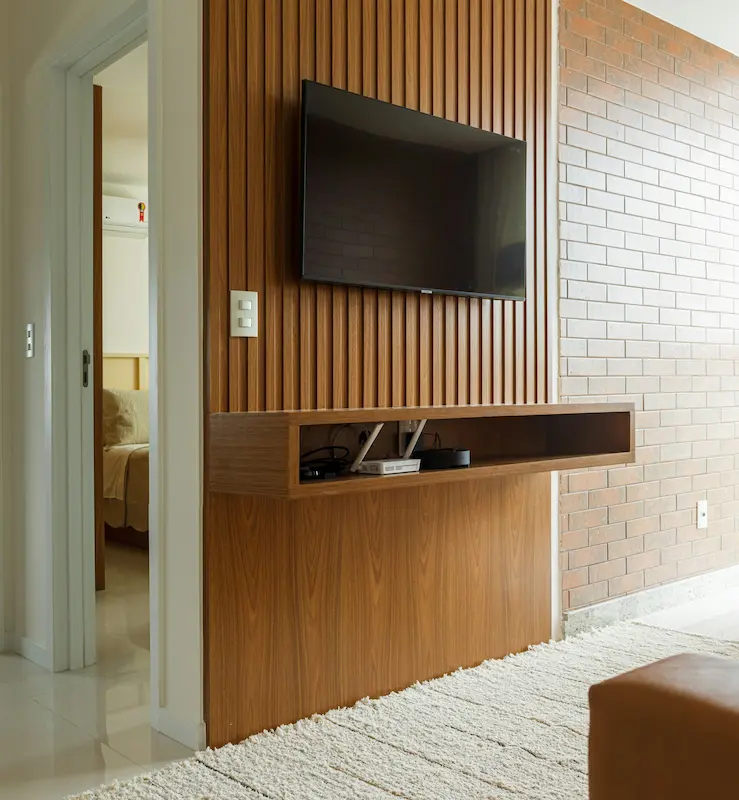
Fluted and ribbed panels are the softer cousin of wood slats.
They work beautifully when:
- You want texture but not strong contrast
- You like organic modern or quiet luxury interiors
- You’re working with soft neutrals and want subtle shadow play
I like fluted walls painted in the same color as the rest of the room, just a few shades deeper. It feels luxurious, not loud.
Quick Comparison: Popular Textured Accent Walls
| Treatment | Skill Level | Cost (Relative) | Best For |
|---|---|---|---|
| Wood slats | Intermediate | $$ | Modern / Japandi, TV walls |
| Board and batten | Beginner | $–$$ | Modern farmhouse, transitional spaces |
| Stone/brick veneer | Advanced | $$$ | Rustic, industrial, dramatic focal points |
| Fluted/MDF panels | Intermediate | $$ | Organic modern, quiet luxury |
Use this as a reality check before you start. Don’t pick a high-maintenance option if you hate DIY or don’t want to hire help.
Paint Color Trends for Accent Walls
You don’t need texture to create impact. The right paint color can be enough—if you choose it intentionally.
The “Moody” Shift
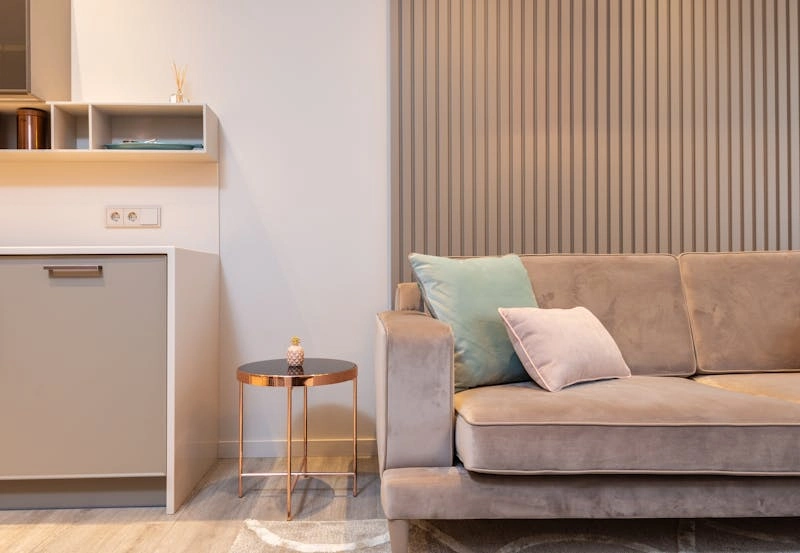
We’ve moved past random bright teal walls. The current look is moody, grounded, and sophisticated.
Colors I often recommend:
- Charcoal grey
- Ink navy
- Deep forest or olive green
- Warm, almost-black brown
Why these work:
- They recede visually, especially behind a TV, so the room feels deeper.
- They make lighter furniture and trim pop without feeling “theme-y.”
- They adapt well to both modern and modern rustic living rooms.
Tone-on-Tone
If you’re nervous about going very dark, try tone-on-tone instead.
- Paint your main walls a soft neutral (for example, warm greige).
- Paint the accent wall two shades darker in the same color family.
The result is subtle, layered, and much easier to live with than a random bold color. In my experience, this is the safest choice if you might sell or rent out your home later.
The “Ceiling” Accent
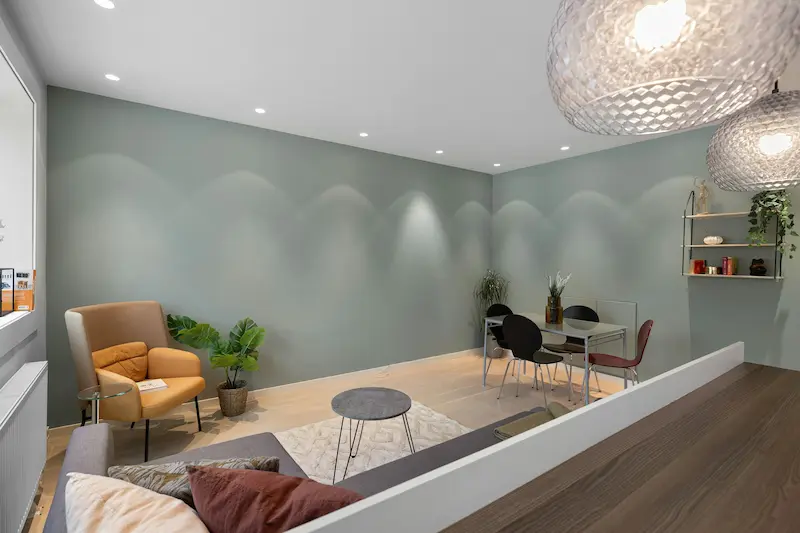
The fifth wall (the ceiling) is finally getting some attention.
A ceiling accent works when:
- Your living room has crown molding or a clear boundary between walls and ceiling.
- The room has enough natural light to handle a richer color above.
You can:
- Keep walls light and paint the ceiling a soft clay, warm taupe, or muted blue-grey.
- Or, for a bolder look, keep walls off-white and ceiling a deep ink or charcoal.
Just avoid very saturated bright colors overhead—they’re fun for a week and exhausting after a month.
Wallpaper & Murals: The Art Statement
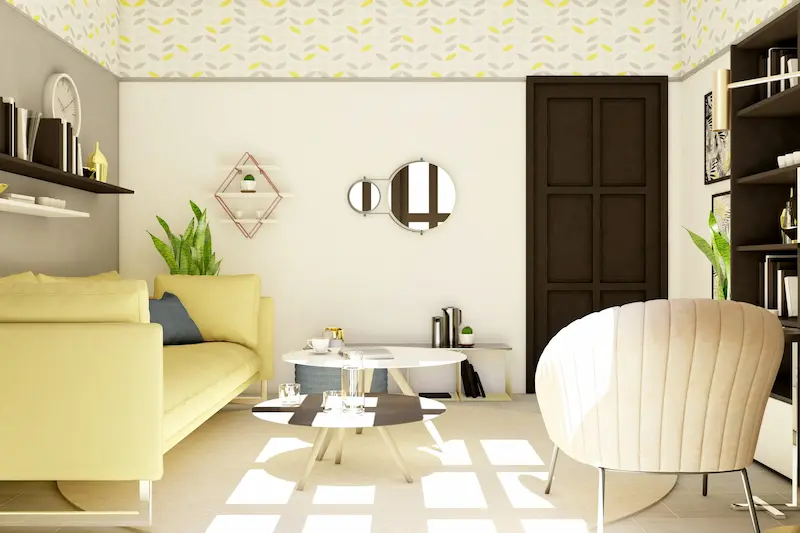
Paint and texture are not your only tools. Wallpaper and murals can create an accent wall that feels like a custom art installation.
Options I like right now:
- Large-scale botanical murals in soft, desaturated tones for organic or biophilic interiors
- Textured grasscloth wallpaper for tactile luxury in neutral living rooms
- Subtle geometric prints in tone-on-tone colors for a modern twist without overwhelming the room
One strong rule: let the mural or wallpaper be the hero. Keep furniture lines clean and decor minimal so it doesn’t start to feel busy.
The TV Wall: Merging Function and Style
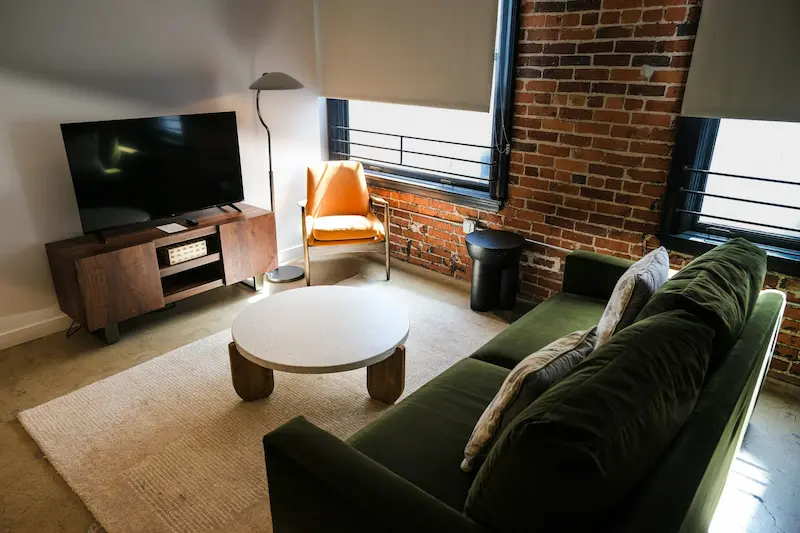
Most people end up putting their accent behind the TV. The trick is to make the TV disappear into the design instead of fighting it.
Strategies I use:
- Dark backdrop: A charcoal, espresso, or ink wall behind a black TV makes the screen visually recede.
- Built-in shelving: Flank the TV with simple open or closed shelves in the same color as the wall for a custom look.
- Low, long media units: Use a long, low console to ground the TV and provide storage, but keep styling minimal—books, a plant, and maybe one sculptural bowl are enough.
If you’re using stone veneer on the TV wall, make sure the screen is mounted neatly with all cables hidden. Stone plus visible wires instantly kills the “high-end” effect.
3 Accent Wall Mistakes to Avoid
I see the same mistakes over and over, even in expensive homes.
1. Choosing a “Short” Wall
A short, chopped-up wall as an accent makes the whole room feel smaller.
Avoid:
- Tiny side walls next to a doorway
- Slivers of wall in hallways
Instead, choose the longest, cleanest wall or the natural focal point.
2. Using High-Gloss Paint
High-gloss looks glamorous in photos but brutally unforgiving in real life.
It highlights:
- Roller marks
- Wall imperfections
- Seams in drywall
For accent walls, I prefer matte or eggshell. They feel softer and more expensive.
3. Ignoring Lighting
An accent wall with beautiful texture or rich color looks flat without proper light.
In my experience, this is the missing piece for most DIY projects. If you’re investing in modern wood slat accent walls or a stone veneer accent wall in your living room, budget for lighting that actually shows it off.
Good options:
- Ceiling spots washing down the wall
- Picture lights above art
- Wall washers built into a dropped ceiling detail
Even a simple floor lamp aimed at the wall can dramatically improve the effect.
FAQ Section
Should the accent wall be lighter or darker?
For living rooms, I almost always recommend darker than the surrounding walls. Dark tones recede visually, which adds depth and makes the room feel more sophisticated. A lighter accent can work in very dark rooms, but it tends to look more “feature stripe” and less modern.
Are accent walls out of style in 2026?
Random bright accent walls are out. Architectural accent walls—wood slats, stone veneer, tonal paneling, textured wallpaper—are very much in. The difference is intention. If it feels integrated into the room’s architecture, you’re safe.
How much does a wood slat wall cost?
It depends on your materials and whether you DIY. Rough ballpark:
- DIY with pine or MDF strips: more budget friendly, ideal if you’re willing to paint or stain yourself.
- Pre-made slat panels or hardwood: significantly more, but faster to install.
My advice: don’t cheap out on the finish. A simple, well-finished slat wall in a good stain looks far better than a complex design done with flimsy materials.
If you treat your accent wall like an architectural upgrade instead of a last-minute paint project, it will elevate your entire living room for years, not just for one trend cycle.