Living Room Furniture Ideas: The Ultimate Style & Buying Guide (2026)
If your living room never quite feels “right” no matter how much you decorate, it’s almost always a furniture problem, not a you problem.
Choosing living room furniture requires balancing three core elements: Scale (size relative to the room), Function (how you use the room), and Aesthetic (your personal style).
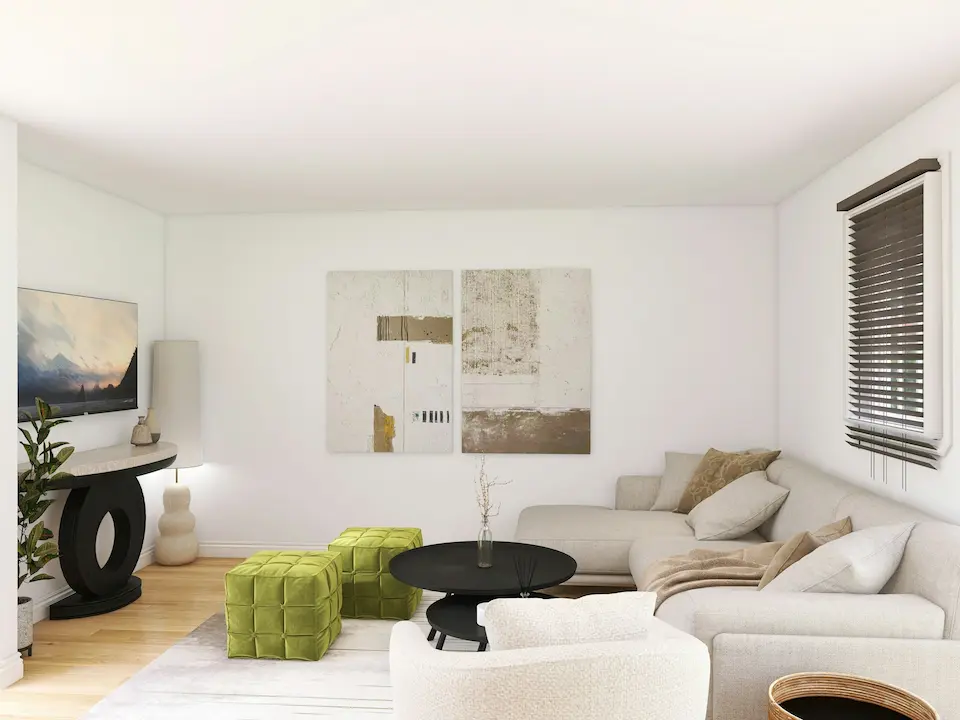
In this guide to living room furniture ideas: the ultimate style & buying guide (2026), we’ll walk through the essential pieces you actually need, how to read different furniture styles, how to mix them without chaos, and how to choose comfortable living room seating ideas that feel as good as they look.
The Essential Living Room Furniture Checklist
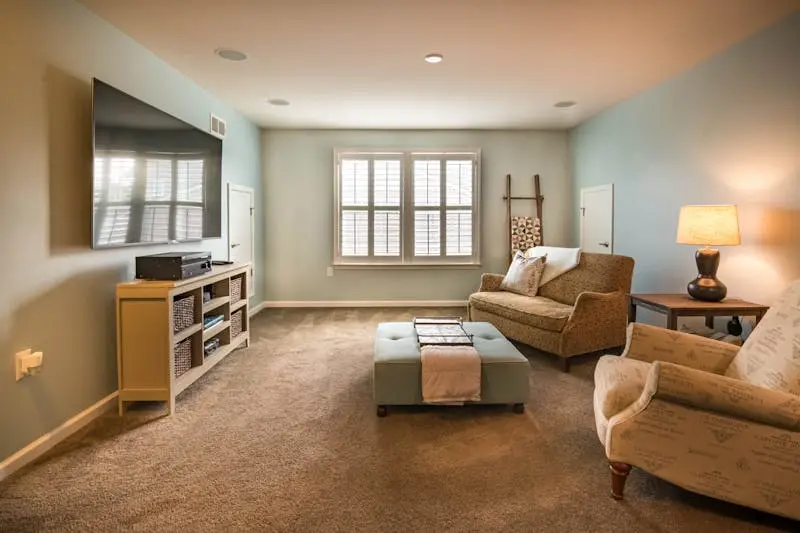
Before you worry about “trends,” get the basics right. A well-designed living room doesn’t start with decor; it starts with the right core pieces.
Here are the essentials, with what each one is actually responsible for.
- The Anchor: Sofa or Sectional
This is your main visual anchor and your primary seating.
It sets the tone for comfort, style, and the way people move through the room.
In most spaces, the sofa should be the largest single piece and usually faces the room’s focal point (TV, fireplace, or main window). - The Surface: Coffee Table or Ottoman
This is where everyday life lands: drinks, remotes, books, laptops.
It also visually connects your seating into a conversation zone.
As a rule, aim for a coffee table about 2/3 the length of your sofa and 2–5 cm lower than the sofa seat. - The Accent: Armchairs or Recliners
These balance the sofa and create a seating circle instead of a “sofa-only” lineup.
If comfort is your priority, look for slim-arm recliners or swivel chairs that give you flexibility without the bulk of big recliners. - The Storage: Media Console or Credenza
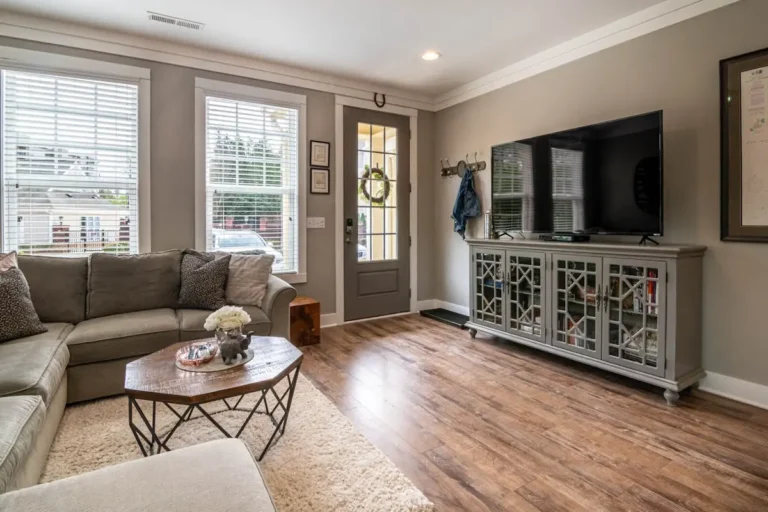
This grounds the wall with the TV and hides the chaos: consoles, cables, Wi-Fi boxes.
In my experience, picking a media unit that’s wider than your TV (by at least 15–20 cm on each side) instantly makes the room feel more upscale.
Once these pieces work, everything else (side tables, lamps, decor) becomes the supporting cast.
Understanding Furniture Styles (Beating Robern)
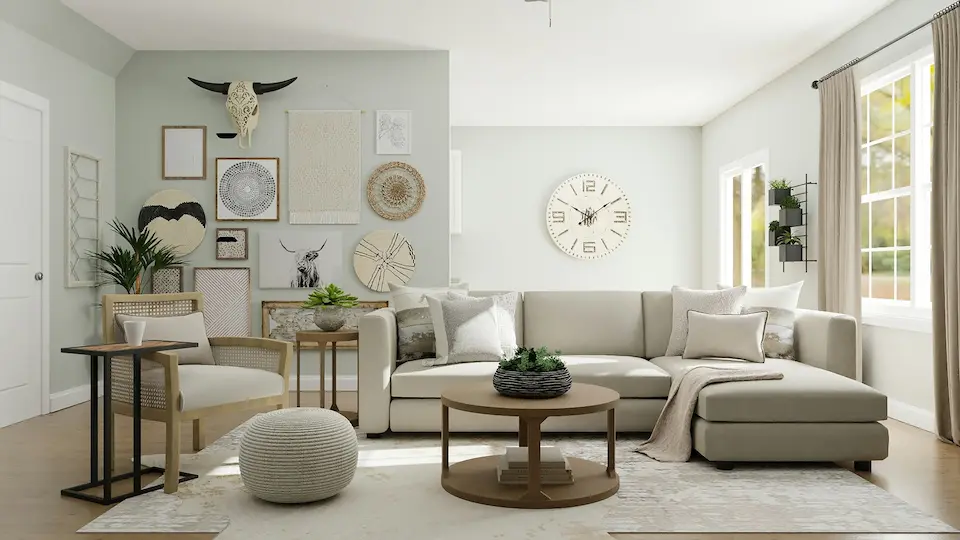
If you’ve ever fallen in love with a sofa online and then realized it doesn’t fit your home’s vibe at all, this is why: the style language was mismatched.
Let’s decode the big four styles you’ll see most often.
Modern Furniture
Modern design has roots in the mid-20th century, but it still feels fresh.
Key traits:
- Clean, straight lines
- Low-profile silhouettes (sofas and consoles that sit low and long)
- Raised legs in wood or metal to keep everything visually light
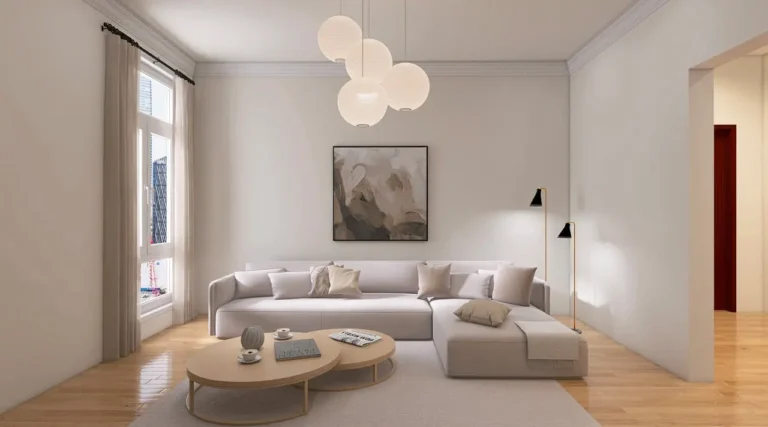
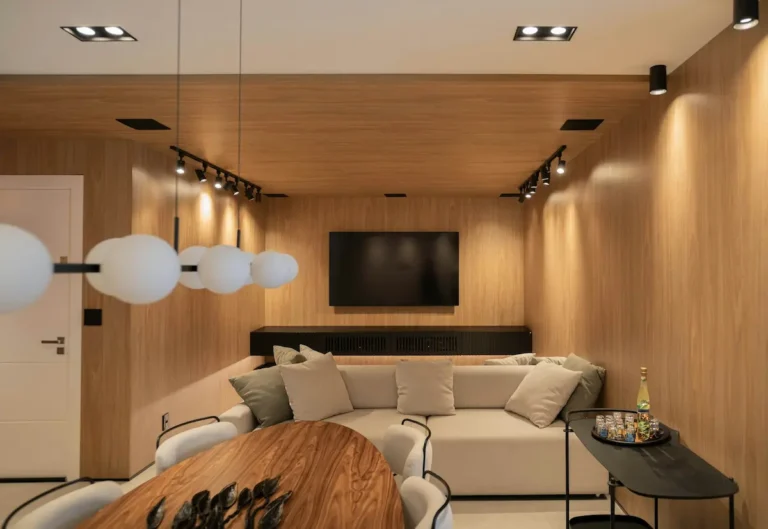
Modern living room furniture ideas work beautifully in apartments and open-plan homes because they don’t visually overcrowd the space. I prefer modern pieces in small rooms, as they usually have slimmer arms and less visual bulk.
Contemporary Furniture
Contemporary is “right now,” not tied to a specific time period.
You’ll see:
- Softer, curved lines and rounded edges
- Mixes of metal, glass, and plush fabrics
- More experimental shapes and details that track current trends
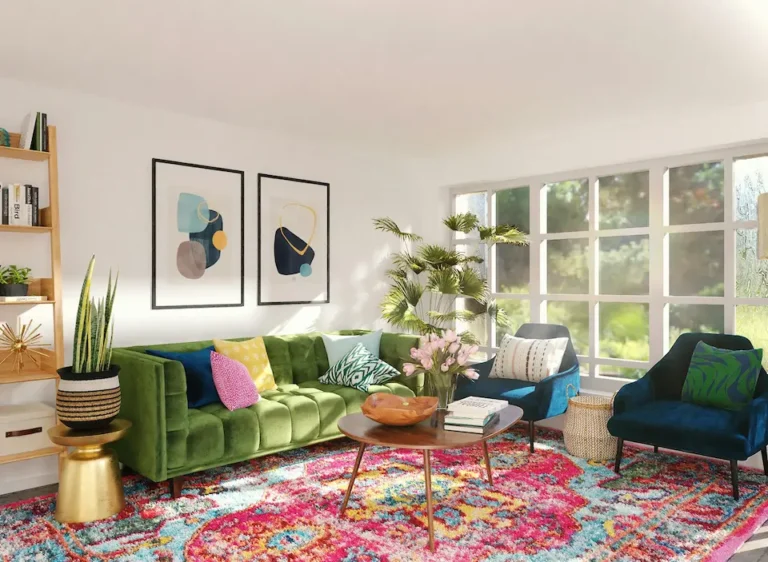
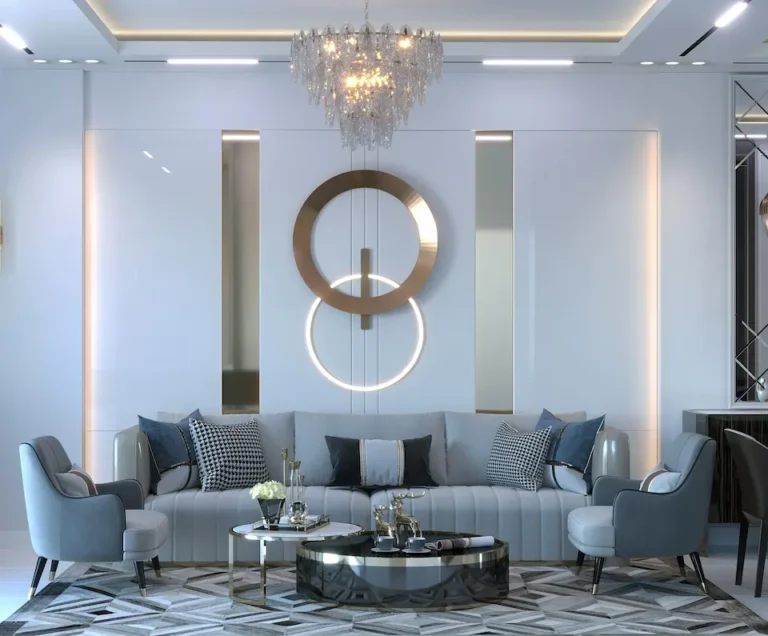
If you like curved sofas, sculptural chairs, and bold silhouettes, you’re looking at contemporary. Just be careful: don’t build your whole room out of “statement” pieces. One or two are enough.
Rustic & Farmhouse Furniture
Think comfort, texture, and weight.
Common features:
- Raw or distressed wood with visible grain
- Chunkier legs, thicker tops, and substantial proportions
- Metal accents (black, bronze) that feel sturdy rather than sleek
Rustic and farmhouse styles are perfect if you want a cozy, grounded living room. In my experience, they pair beautifully with organic modern living room ideas where you combine clean lines with natural materials.
Traditional Furniture
Traditional leans classic and polished.
You’ll notice:
- Rolled arms and more intricate detailing
- Tufted backs, nailhead trim, carved wood
- Darker wood tones, richer fabrics (velvet, damask, chenille)
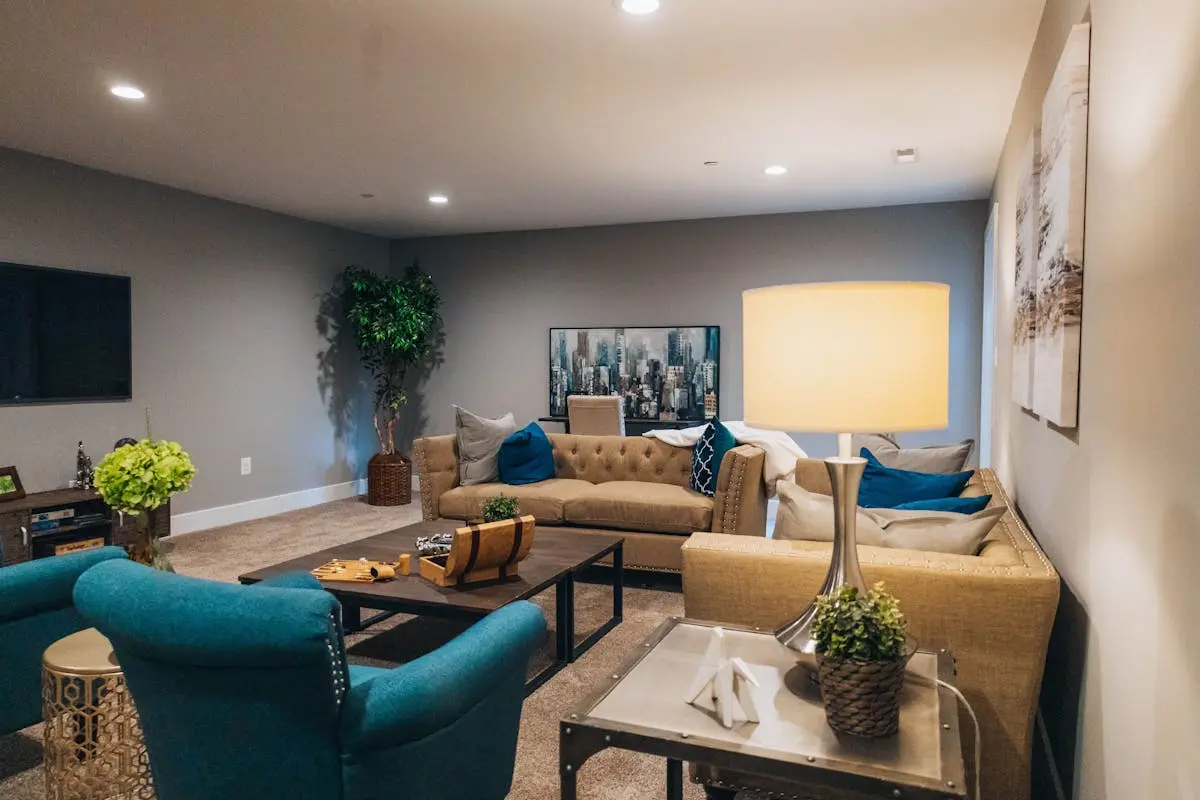
If you love symmetry and rooms that feel “dressed,” traditional might be your base style. Just avoid buying full matching “sets” that make your living room feel like a showroom.
Modern vs. Contemporary: What’s the Difference?
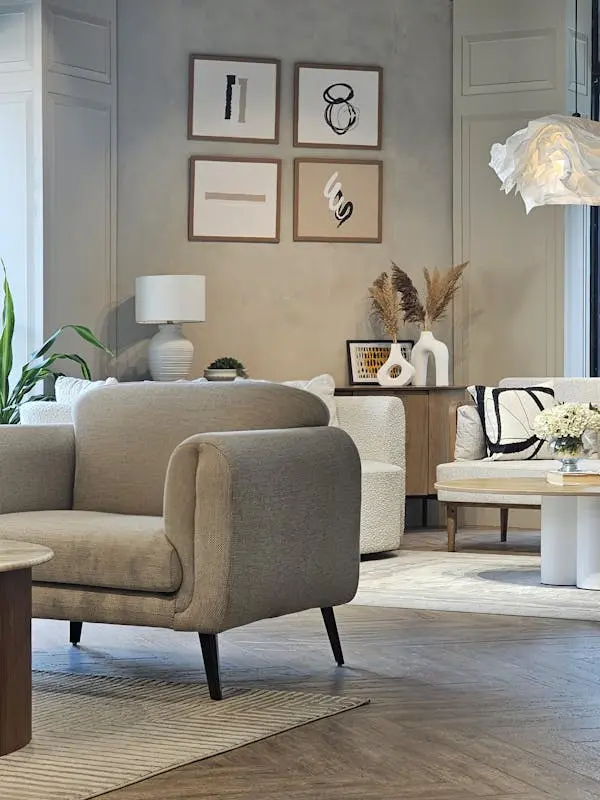
These two get confused constantly, which is understandable. They share clean lines and a love of simplicity, but they are not the same.
Here’s the quick comparison:
| Aspect | Modern Design | Contemporary Design |
|---|---|---|
| Time Period | Rooted in 1920s–1950s movements (mid-century, etc.) | Reflects current trends; always evolving |
| Materials | Emphasis on natural materials: wood, leather, stone | More mixed materials: glass, metal, new synthetics |
| Silhouette | Straighter, more boxy and linear | More curved, fluid, and sculptural forms |
If you like timelessness, lean modern.
If you enjoy “of-the-moment” shapes, you’ll gravitate toward contemporary.
You can absolutely mix them, as long as you repeat at least one material (for example, a modern wood console with a contemporary curved metal lamp).
How to Mix and Match Furniture Styles
This is where a lot of people freeze.
You might love a modern sofa, a rustic coffee table, and a traditional armchair, then worry you’re “breaking rules.” In reality, mixing furniture styles in a living room is exactly what makes it feel curated instead of catalog-perfect.
The 80/20 Rule
A simple formula I use with clients:
- Choose one dominant style for about 80% of your furniture.
- Use up to 20% of a contrasting style to add interest.
For example:
- 80% modern (sofa, media console, coffee table)
- 20% rustic (wood side table, vintage chest)
Or:
- 80% contemporary (curved sofa, sculptural lamp)
- 20% traditional (tufted accent chair, classic sideboard)
The mistake is going 50/50 with no plan. That’s when a room feels confused.
Bridge Pieces: Your Secret Weapon
If two styles feel like they clash, use bridge pieces to tie them together.
You can bridge using:
- Material: A leather accent chair that works with both modern and rustic pieces.
- Color: Repeating the same neutral palette across styles (for example, warm tan and cream across modern and farmhouse pieces).
- Shape: If you have a very boxy sofa, use a slightly curved chair to ease into more contemporary lines.
In my experience, once you have a clear base style and a small “accent” style, mixing feels intentional instead of accidental.
Furniture Ideas for Specific Layouts
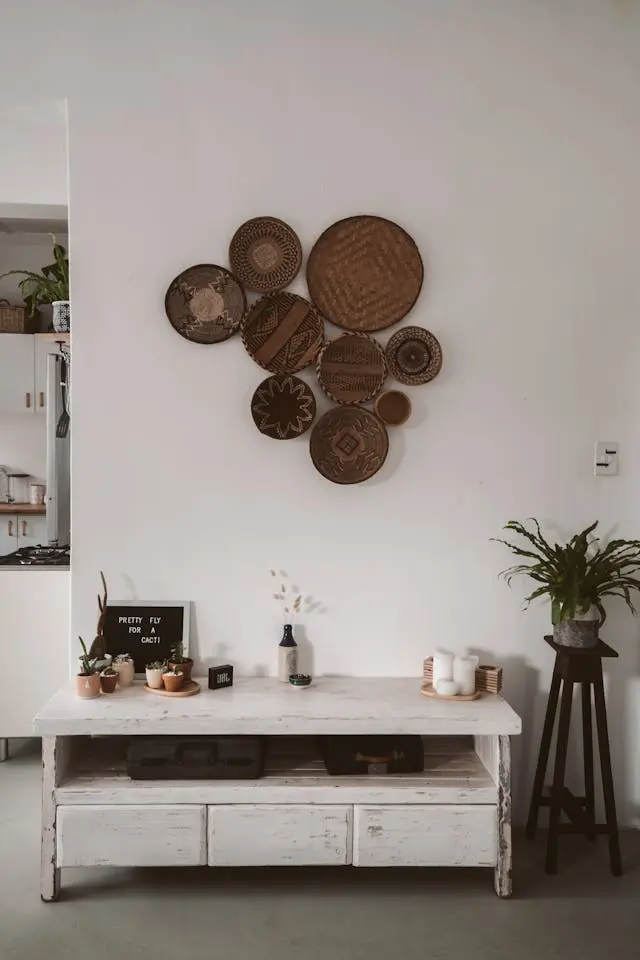
The same sofa looks entirely different in a studio apartment vs. a big open-plan home. Let’s tailor your living room furniture ideas to your layout.
For Small Rooms
In a small living room, every centimeter matters.
Here’s what I recommend:
- A compact sofa or loveseat with slim arms and raised legs
- Space-saving living room furniture like:
- Nesting side tables instead of one big side table
- A storage ottoman that can be a coffee table, footrest, and extra seating
- Wall-mounted shelves instead of deep bookcases
- Armless chairs if you need extra seating but don’t have width for bulky arms
- Wall or floor lamps, not table lamps on chunky side tables, to keep surfaces free
Don’t waste money on heavy recliner sofas if your room is tight. Put that budget toward a smaller but high-quality sofa and a versatile ottoman that can flex for guests.
For Open Concepts
In open-plan spaces, the challenge is the opposite: anchoring the living room so it doesn’t feel like furniture floating in a big hall.
I like to use:
- L-shaped sectionals to create a “virtual wall” between the living room and dining or kitchen area
- A large area rug to define the living room zone and visually group the seating
- A console table behind the sofa to create a soft divider and add lighting/storage
- Swivel chairs that can turn toward the TV or the dining area, depending on the moment
Think of your furniture as architecture. You’re not just filling space; you’re gently shaping it.
Trending Furniture Materials for 2026
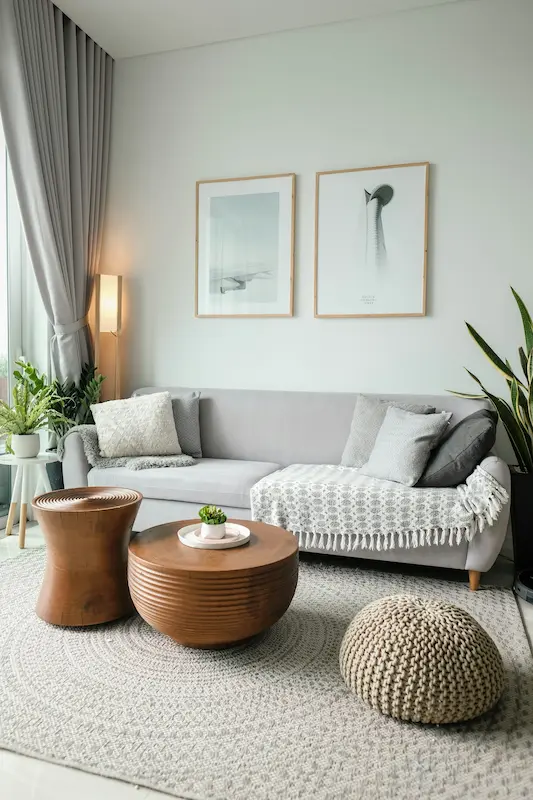
Trends come and go, but some materials have real staying power and sit nicely inside neutral, timeless schemes.
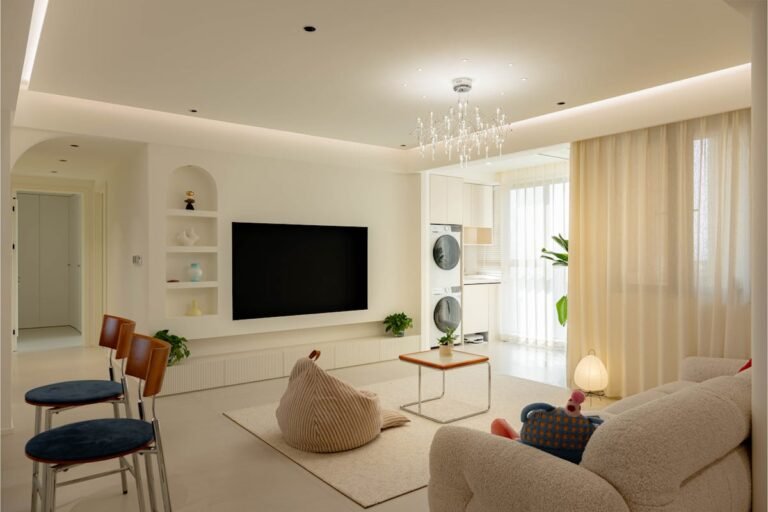
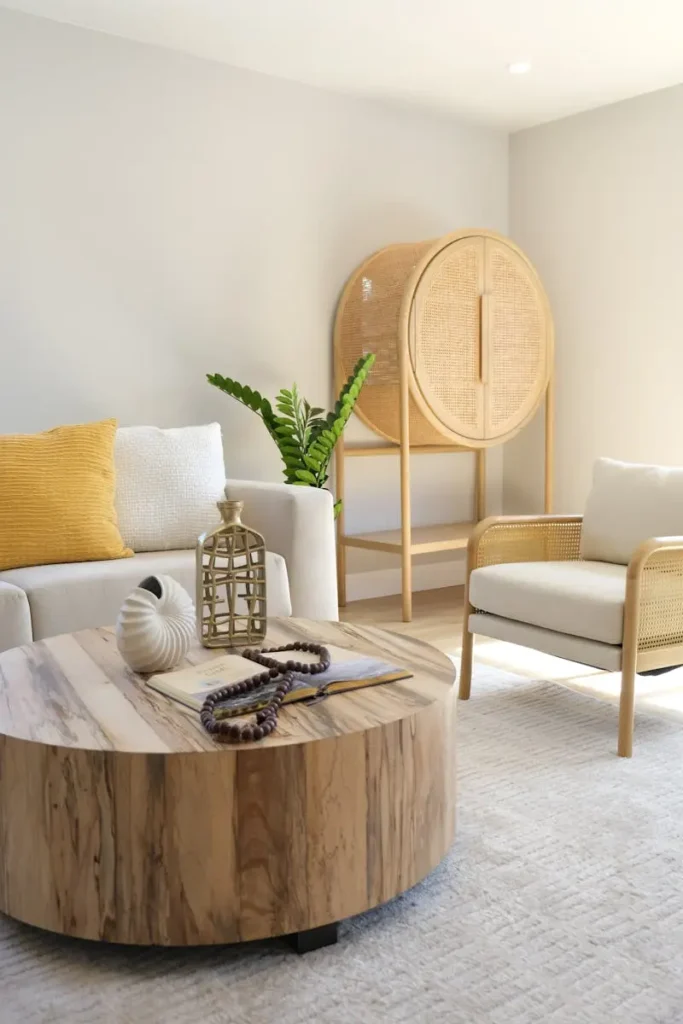
For 2026, three materials stand out that also work beautifully in organic modern living room ideas.
Bouclé Fabrics
Bouclé is that soft, looped, almost “teddy” texture you see on accent chairs and sofas.
Why I like it (in moderation):
- It instantly adds texture to neutral color palettes.
- It reads as cozy but still modern and sculptural.
A few practical notes:
- Choose off-white, beige, or stone for longevity.
- If you have pets, use bouclé on occasional chairs rather than your main sofa so it wears better.
Travertine Stone Tables
Travertine coffee and side tables are a beautiful way to add character without heavy pattern.
They bring:
- A soft, organic pattern that works with neutral palettes.
- A matte, tactile finish that feels grounded and natural.
In my experience, a travertine or travertine-look coffee table can completely upgrade even a simple IKEA sofa setup.
Burl Wood Consoles
Burl wood has those swirling, almost marbled patterns in the grain.
Used well, it can be a stunning focal point:
- A burl wood console under the TV or behind the sofa adds depth without loud color.
- It works especially well in neutral, minimal living rooms that need one “quiet statement.”
Because burl is visually busy, I recommend pairing it with simple, solid-color upholstery and streamlined lighting.
FAQ: Living Room Furniture Ideas (2026)
What is the most important piece of furniture in a living room?
Practically and visually, the sofa (or sectional) is the most important piece.
It dictates:
- The seating capacity
- The style language (modern, traditional, rustic, etc.)
- The layout, because every other piece orients around it
If your budget is tight, I recommend spending the most on a well-made, comfortable sofa and keeping side tables and decor simpler for now.
How do I choose a coffee table for my sofa?
Use three quick checks:
- Length: Aim for about 2/3 of your sofa’s width.
- Height: The top should be roughly level with or 2–5 cm lower than the sofa seat.
- Distance: Leave about 35–45 cm between the edge of the sofa and the table so you can walk through comfortably while still reaching your drink.
If you have kids or a very small room, consider a round or oval table or a padded ottoman to soften corners and add extra seating.
Can I mix wood tones in living room furniture?
Yes, you absolutely can, and you should.
The key is intentional repetition:
- Pick one dominant wood tone (for example, medium oak).
- Add one supporting tone (like a darker walnut or a lighter birch).
- Repeat each tone at least twice in the room (coffee table + frame, console + side table, etc.).
In my experience, the room feels off when there are too many unrelated wood tones with no repetition. Keep it to two main tones, three at most, and use area rugs and fabrics to visually buffer any clashes.
If you treat this as your reference for living room furniture ideas: the ultimate style & buying guide (2026), you’ll make fewer impulse buys and more strategic choices. Start with your anchor sofa, choose a style “language,” then layer in comfortable seating, storage, and materials that genuinely support how you live, not just how the room photographs.