Living Room Interior Design: The Comprehensive Guide to Layouts, Principles & Styles (2026)
Great interior design isn’t just about buying expensive furniture; it’s about mastering space and light.
If your living room still feels “off” even after you’ve bought the sofa, the rug, and the cushions, it’s usually not the furniture that’s wrong. It’s the layout, the proportions, or the way color and light are working together.
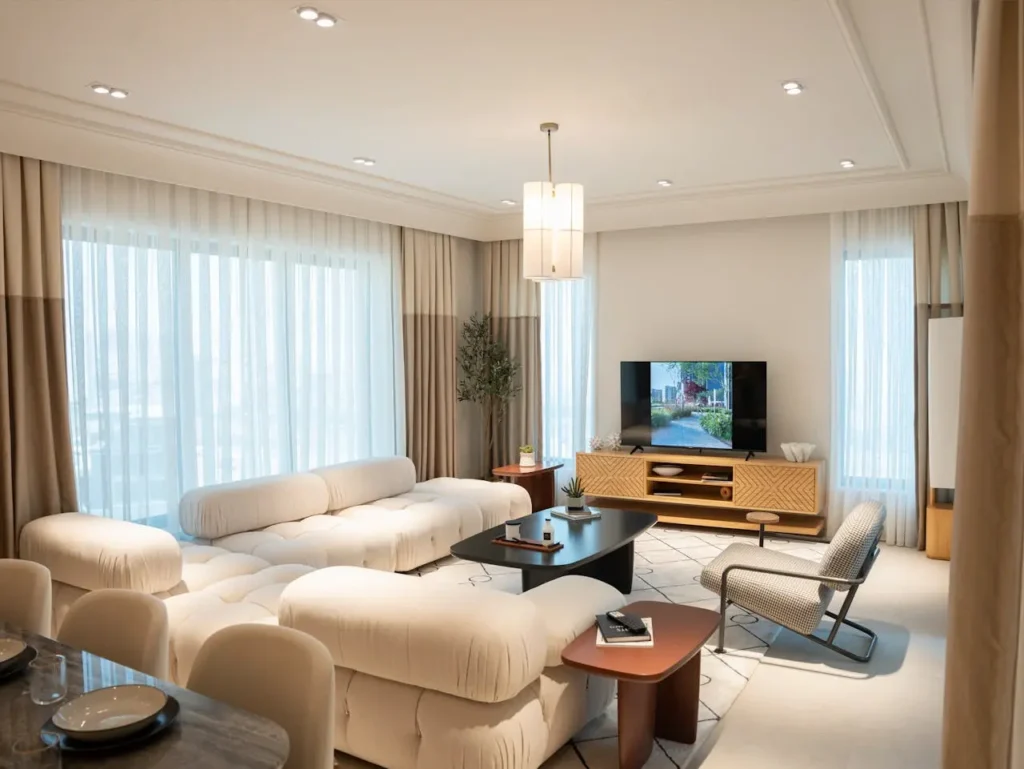
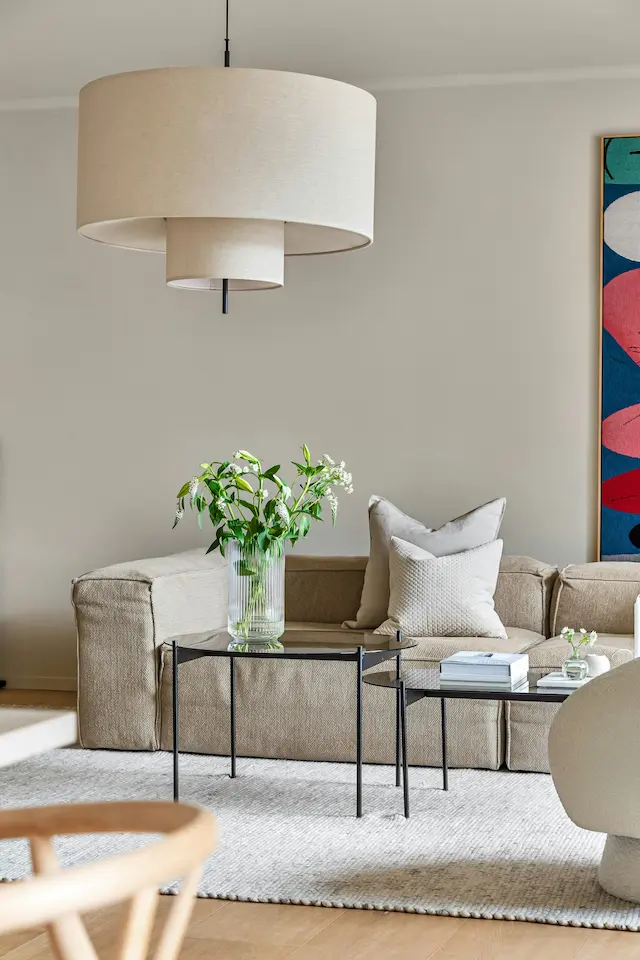
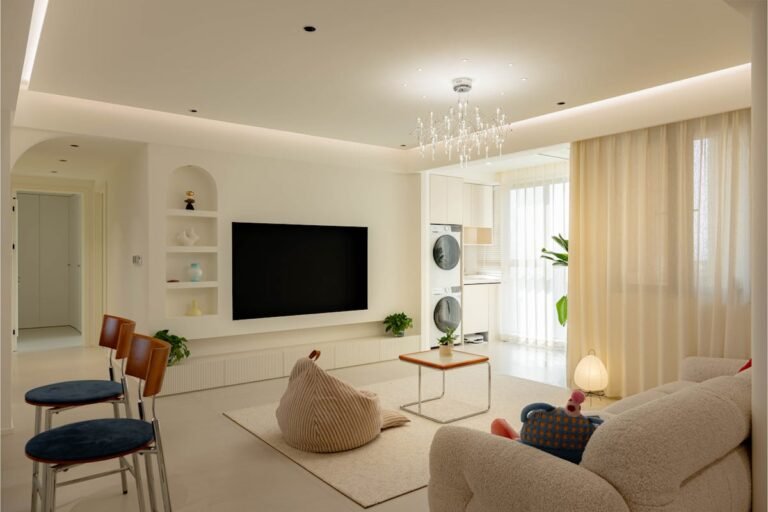
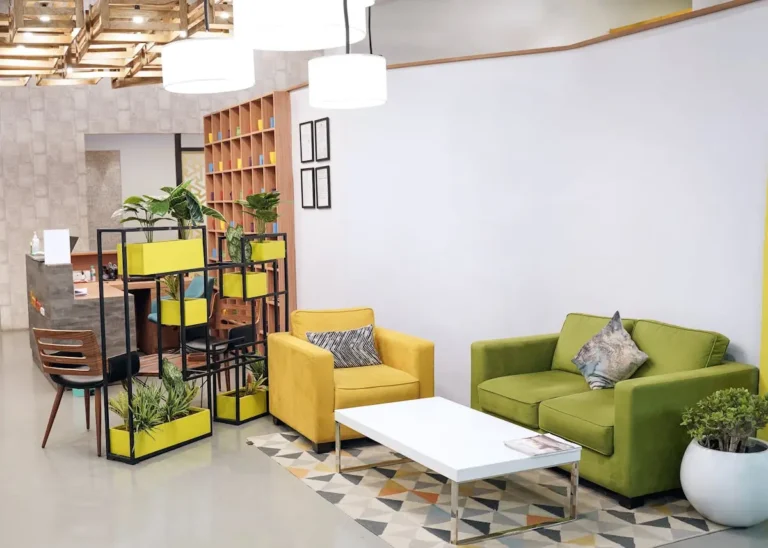
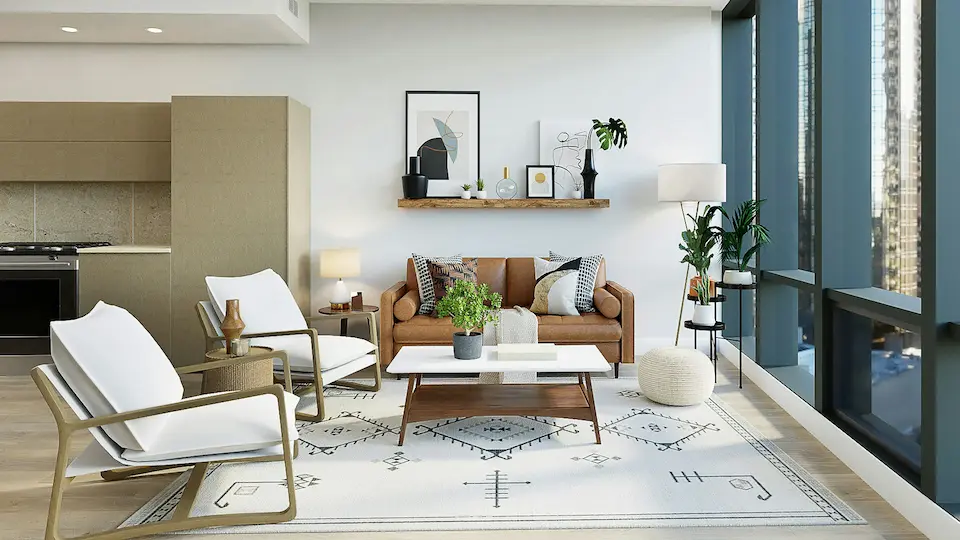
Living room interior design involves the strategic planning of floor layouts, lighting layers, color psychology, and furniture scale to create a space that is both functional and aesthetically pleasing. In this 2026 guide, I’ll walk you through the fundamentals designers actually use: the principles of interior design (balance, rhythm, scale), how to map a layout, simple living room color theory, and the main styles you’re probably pinning without knowing their names.
I’ll also give you specific numbers to use. For example, I’ll share my favorite “sofa vs rug” measurement in the Scale section below that instantly fixes 80% of awkward rooms.
Let’s build this step by step.
Interior Design vs. Interior Decorating: What’s the Difference?
Most people use the terms interchangeably, but they’re not the same thing. Understanding the difference helps you see where to invest effort and budget.
Interior Design vs. Interior Decorating (Quick Comparison)
| Aspect | Interior Design | Interior Decorating |
|---|---|---|
| Focus | Structure, space planning, function | Surfaces, colors, fabrics, styling |
| Typical Changes | Moving walls, reworking electrical/lighting plans | Changing rugs, cushions, curtains, art |
| Skills | Technical drawings, building codes, ergonomics | Color coordination, styling, visual composition |
| Timing | Done before or during construction/renovation | Done after the “shell” is finished |
| Example | Deciding where the fireplace and TV will go | Choosing the art above the fireplace |
You don’t need a full renovation to improve your living room interior design, but you do need to start thinking like a designer: layout first, decoration second.
The 5 Pillars of Living Room Design (The “Design School” Angle)
These are the core principles of interior design that actually show up in your photos: scale, proportion, balance, rhythm, focal point, and harmony. We’ll group them in a practical way so you can use them without a degree.
1. Scale and Proportion
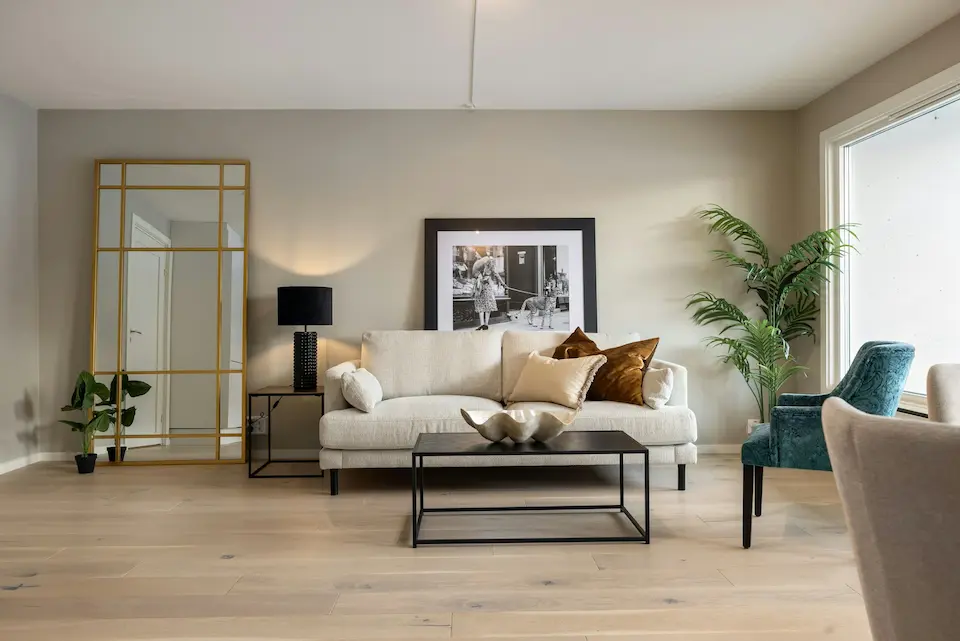
Scale is the size of an object. Proportion is how it relates to everything around it.
In practice:
- A tiny rug with a huge sectional makes the whole room feel smaller and cheaper.
- A massive coffee table in a small room kills flow.
Simple rule for rugs:
I recommend a rug that allows at least the front two legs of every main seating piece to sit on it. For most standard living rooms, that means:
- At least 160 × 230 cm for small rooms
- More often 200 × 300 cm for typical spaces
If your sofa is 220 cm long, aim for a coffee table between 120–140 cm long. This keeps the proportions comfortable.
2. Balance
Balance is how visual weight is distributed so the room doesn’t feel heavy on one side.
You have two main options:
- Symmetrical Balance
Think two matching armchairs facing a sofa, or identical lamps on each side of a console.
This feels formal, calm, and very “classic living room”. - Asymmetrical Balance
Instead of mirror images, you balance with equivalent weight.
For example:- One large armchair on one side of the sofa
- Balanced by two lighter stools or a substantial floor lamp on the other
In my experience, asymmetrical balance looks more relaxed and modern, especially in open-plan spaces.
3. Rhythm
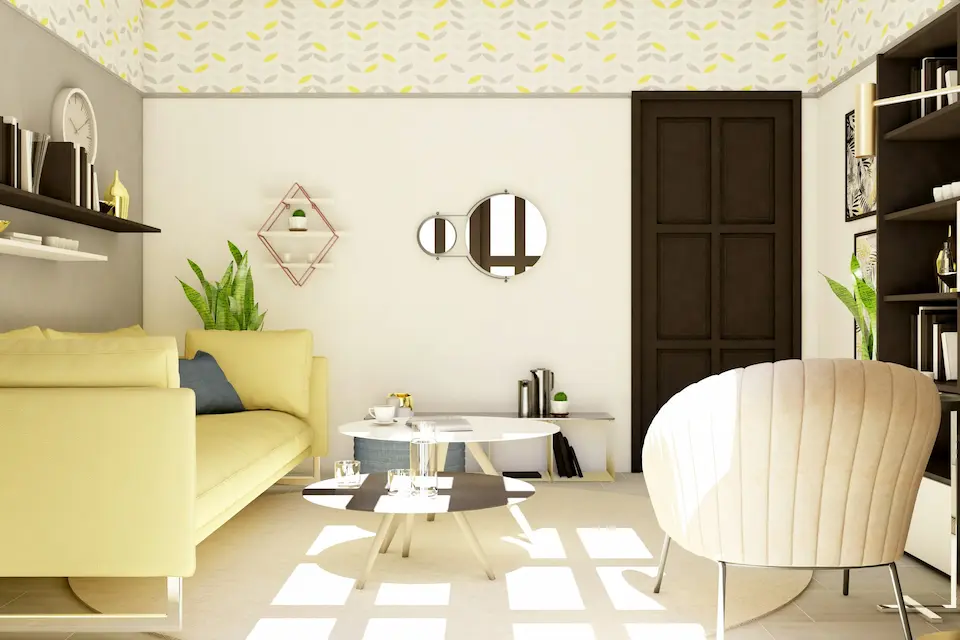
Rhythm is how your eye moves around the room. It’s created by repetition: of color, shapes, or textures.
For example:
- A soft warm beige on the walls
- Repeated in a cushion, a throw, and a piece of art
- Echoed again in a vase on the shelf
You’re quietly telling the eye: “This all belongs together.”
A simple way to create rhythm:
- Choose 2–3 key accent colors and repeat each at least three times in the space (in different mediums: fabric, wood tone, artwork, etc.).
4. Focal Point
Every living room needs one clear hero.
Typical focal points:
- A fireplace
- A beautiful window or view
- A TV wall with strong built-in or media unit
The mistake I see often is multiple competing focal points: a big TV, a statement fireplace, and a huge bold gallery wall fighting each other.
Pick the main one and ask:
- What is the primary function of this room? Conversation, TV, or view?
- Arrange the furniture to support that decision.
If the TV is non-negotiable, frame it with a darker wall color or cabinetry so it feels integrated, not like a black box hovering in space.
5. Harmony
Harmony is the overall “mood”. It’s when the scale, colors, textures, and layout all feel like they’re telling the same story.
A few questions I like to ask:
- Does the room feel calm or busy? Is that what you want?
- Do the colors support the mood (soft neutrals for calm, more contrast for energy)?
- If you took a photo in black and white, would the shapes and balance still work?
Harmony is where your style actually comes through, so don’t chase trends blindly. Aim for a mood you could live with for years.
Step-by-Step: How to Design Your Living Room
Now let’s translate theory into a process you can follow from scratch or while refreshing what you already have.
Step 1: Measure & Map
Resist the urge to shop first.
- Measure the length and width of the room, plus ceiling height.
- Note the position of doors, windows, radiators, and any fixed features.
- Sketch a simple floor plan on paper or use a free app.
Key distances to keep in mind:
- Leave 90–100 cm for main walkways (between sofa and TV, or sofa and dining).
- Aim for 40–50 cm between the sofa and coffee table so you can reach drinks comfortably without squeezing through.
Step 2: Determine Function
Ask yourself:
- Is this room for TV and movies, conversation and reading, or a mix?
- Do you need a work-from-home corner here?
- How many people normally sit here at once?
If you mainly watch TV, angle seating toward the screen with minimal neck craning.
If conversation is the focus, think sofa + 2 chairs facing each other, with a coffee table in between.
Step 3: Select the “Anchor” Piece
In most living rooms, the anchor is the sofa or sectional.
My advice:
- Choose the anchor piece before smaller accents like side tables and cushions.
- Make sure the sofa size suits the room:
- In smaller rooms, I prefer a standard sofa with slim arms and visible legs instead of a bulky sectional.
- In larger rooms, an L-shaped sectional can help define the seating zone in an open plan.
Once you know the anchor, it’s much easier to size the rug, coffee table, and accent chairs.
Step 4: Layer the Lighting
Good living room interior design relies on three layers of light:
- Ambient: Overall light (ceiling fixtures, recessed lighting).
- Task: Reading lamps, floor lamps near seating.
- Accent: Picture lights, wall sconces, small table lamps to highlight corners or art.
I recommend:
- Warm white bulbs around 2700–3000K for living spaces.
- At least three light sources in the room, on separate switches or dimmers so you can adjust the mood.
Step 5: Accessorize (The Final 10%)
This is where interior decorating steps in.
Refine with:
- Cushions in mixed textures, not just different colors.
- A throw or two for softness and color.
- One to three key decor pieces on the coffee table (a tray, a stack of books, a sculptural object, or a small plant).
Try to leave some empty surfaces as breathing space. In my experience, most living rooms look expensive the moment you remove 20–30% of the small clutter.
Popular Interior Design Styles for 2026
You don’t have to fit into one box, but it helps to know what you’re drawn to. Here’s a quick snapshot of the key living room styles that are still going strong in 2026.
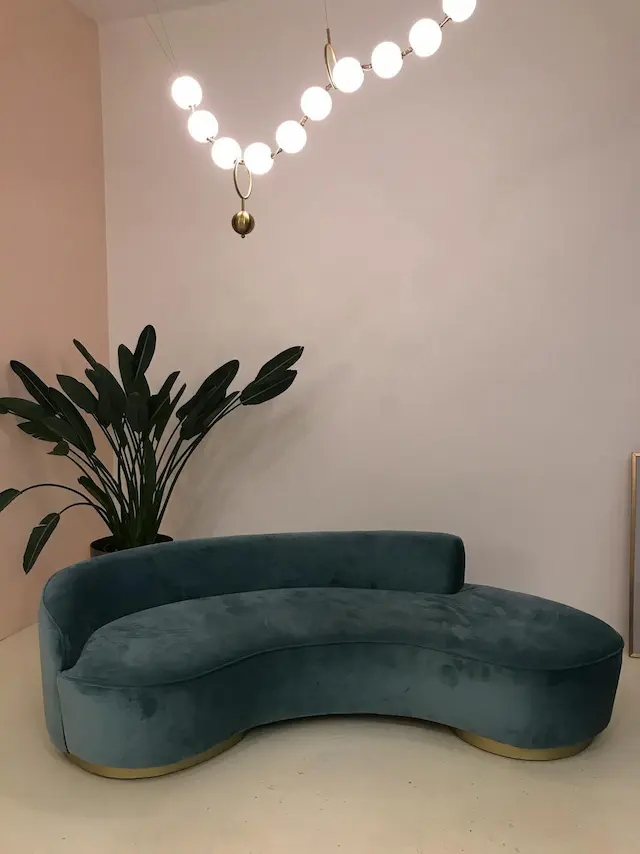
Contemporary
- Defined by what is current, not tied to a historic period.
- Often features subtle curves, muted palettes, and a mix of matte and glossy finishes.
- Tends to lean eco-conscious, using natural fibers, low-VOC paints, and sustainable materials.
Industrial
- Inspired by warehouses and lofts.
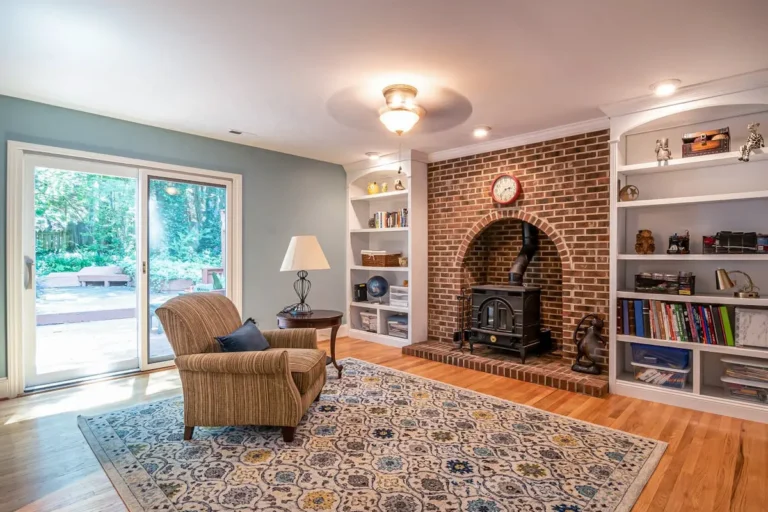
- Think exposed brick, visible beams, metal details, and solid, substantial furniture.
- Works well in high-ceiling spaces or rooms with large windows and rougher finishes.
Scandi-Boho
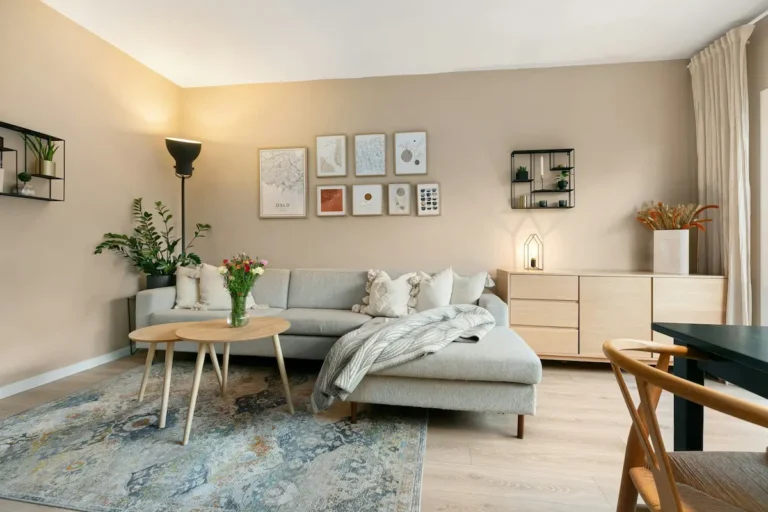
- A blend of Scandinavian minimalism and bohemian warmth.
- Light walls, lots of natural wood, layered textiles, and plenty of plants.
- In my experience, this is one of the easiest looks to live with: clean but cozy.
Transitional
- The bridge between traditional and modern.
- Clean-lined sofas with more classic details like subtle tufting or rolled edges.
- Great if you have heirloom pieces you don’t want to toss but still want a fresher look.
If you feel stuck, pick a base style (for example, contemporary) and then layer in 20–30% from another style you love. That’s often where your personal taste really shows.
Color Psychology in the Living Room
This is where living room color theory becomes practical. Color doesn’t just change how a room looks; it changes how it feels.
Blue: Calming & Trustworthy
- Great for living rooms where you want a quiet, relaxed mood.
- Soft, muted blues work well with light woods, beige, and grey.
- Avoid very cold, harsh blues in dark rooms; they can feel flat and chilly.
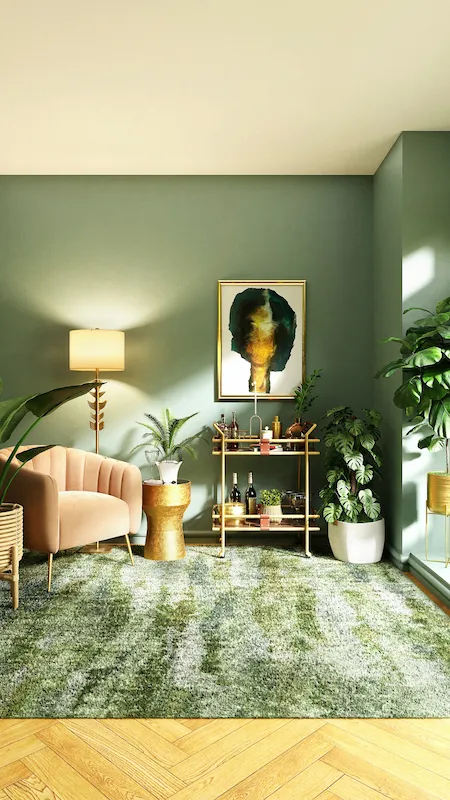
Green: Restorative & Grounding
- Linked to nature, so it’s naturally soothing.
- Sage and olive tones are particularly versatile.
- Pairs beautifully with tan leather, linen, and warm neutrals.
Yellow: Energetic & Social
- Best used in moderation: cushions, art, or an accent chair.
- Warm yellow undertones can brighten a north-facing room, but very saturated yellow walls can be tiring in the long term.
Warm vs Cool: How Color Changes Space
One key principle:
- Warm colors advance: they make walls feel closer, which can be cozy but can also visually shrink a space.
- Cool colors recede: they make walls feel further away, which can make a room feel larger and airier.
If your living room is small and dark:
- I usually recommend light, slightly warm neutrals with controlled contrast (nothing too stark), and cool accents through textiles and art.
If your room is large and bright:
- You can handle more contrast and deeper colors on the walls without losing the sense of space.
FAQ: Living Room Interior Design (2026)
What is the first thing to do when designing a living room?
Start with the layout and function, not the cushions.
Measure the room, sketch a simple plan, and decide:
- Where the main conversation area will be
- Where the TV (if any) makes the most sense
- How people will walk through the space
Once that’s clear, choose the anchor piece (usually the sofa) and build everything else around it.
How much does it cost to design a living room?
It depends on how much you’re changing.
Roughly:
- Styling only (paint, textiles, decor): lower budget, can be done gradually.
- Furniture refresh (sofa, rug, coffee table, lighting): mid-range, usually the most impactful spend.
- Full redesign with electrical/layout changes: higher budget, but you’re in true interior design territory.
In my experience, if you have to choose, invest in:
- A good sofa
- A correctly sized rug
- Decent lighting
Those three choices will do more than ten small decor purchases.
How do I mix different design styles?
Use a simple framework:
- Let one style take the lead (around 70–80%).
- Bring in 20–30% of a secondary style through accent chairs, side tables, or decor.
For example:
- Modern base (clean sofa, simple rug)
- Styled with rustic touches (wood coffee table, textured wall art, woven basket)
Unify the mix with:
- Repeated colors
- Similar wood tones
- A consistent level of formality (don’t mix extremely formal with extremely casual in the same small space)
If you keep these principles in mind and move through the steps slowly, your living room will stop feeling like a random collection of pieces and start feeling like a designed space. You don’t need perfection. You just need a clear layout, the right scale, a bit of rhythm, and colors that support the mood you actually want to live in.