Smart Home Storage Ideas: The Ultimate Room-by-Room Guide (2026)
If you feel like you’re constantly fighting clutter, you’re not alone. Most people don’t need more stuff—they need smarter home storage ideas that work with how they actually live.
The easiest way to think about storage (and to stop buying random baskets that don’t solve anything) is to divide your home into three zones of storage:
- Active storage: Things you use every day or every week. These must be easy to reach.
- Passive storage: Things you use monthly or seasonally. These can be higher, deeper, or slightly less convenient.
- Deep storage: Things you rarely touch but still need (sentimental items, archives, off-season gear). These can live in the hardest-to-reach spots.
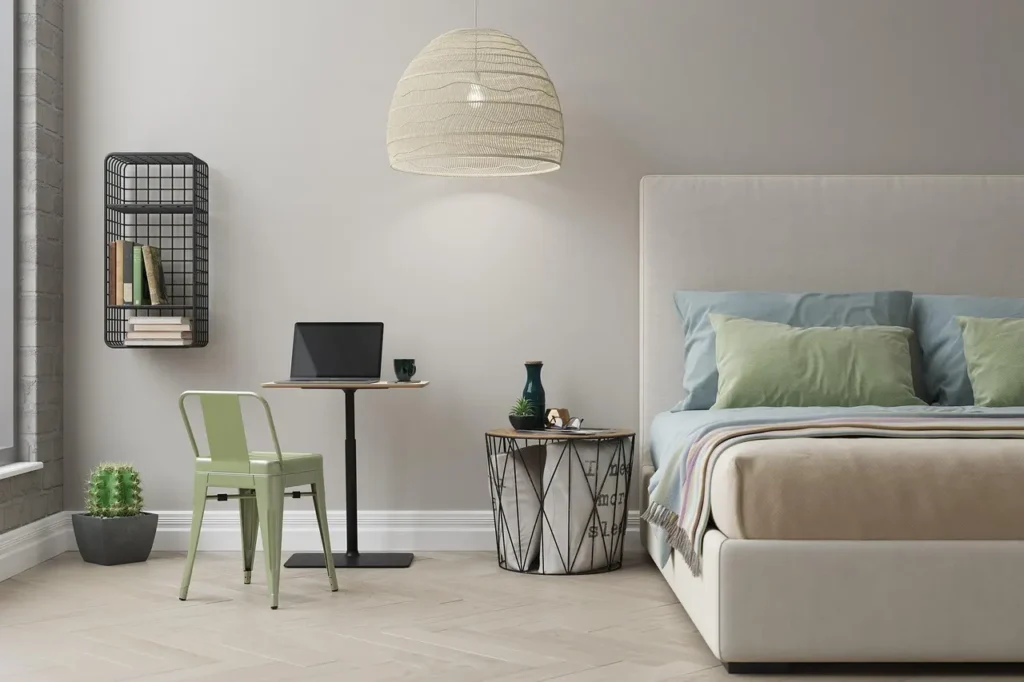
In my experience, once you start planning around frequency of use instead of random corners, even very small homes feel calmer. This guide walks you room by room, with specific, small space storage solutions and hidden storage ideas for small houses, so you get both function and aesthetics.
Kitchen Storage: Maximizing the “Work Triangle”
The kitchen is where storage either makes your life easy… or drives you mad. Here, the work triangle (fridge, sink, stove) should be surrounded by your Active zone, with Passive and Deep zones pushed further out.
The “Active” Zone (Countertops & Lower Drawers)
Think of the active zone as anything between 30 and 60 inches (75–150 cm) from the floor—your natural reach.
What belongs in the Active Zone
- Everyday dishes and glasses
- Pots and pans you use weekly
- Oil, salt, pepper, basic spices
- Coffee/tea setup
Practical ideas
- Appliance garage:
If you have a bit of counter depth, create a simple “garage” with a lift-up door or just a dedicated nook for your toaster, kettle and coffee machine.- I recommend keeping appliance cords out of sight using cable clips on the backsplash or inside the cabinet.
- Don’t waste money on complicated built-ins if you’re renting—a deep tray and a corner can do the job.
- Vertical tray & cutting board dividers:
Use vertical organizers in a lower cabinet for baking trays, chopping boards and pan lids. This turns a frustrating pile into slide-out files. - Deep drawers over lower cabinets:
In a new kitchen, I always prefer drawers instead of traditional lower cupboards. You see everything from above instead of crawling on the floor.
The “Passive” Zone (Upper Cabinets)
Upper cabinets are your Passive zone: items you use sometimes, not daily.
What belongs here
- Serving platters
- Baking supplies
- Extra mugs or glassware
- Back-up pantry items
Storage ideas
- Risers for plates and bowls:
Simple shelf risers double usable space and keep stacks from becoming skyscrapers. - Lazy Susans for corners and spices:
Use turntables in awkward corners and for spices. In small kitchens, I like narrow 26–30 cm turntables inside upper cabinets so nothing gets lost at the back. - Clear bins by category:
Group snacks, baking items, tea, etc. into labeled clear bins. You pull out one bin instead of hunting 20 small packets.
The Pantry (Floor-to-Ceiling Solutions)
Pantries—whether a full cupboard, a small cabinet, or a single tall shelf—are where Passive and Deep storage blend.
Key moves
- Over-the-door racks:
A standard interior door is ~28–30 inches wide; most over-the-door racks are around 18 inches (45 cm) wide, so they fit easily. Perfect for:- Spices
- Oils
- Foil, wrap, baking paper
- Adjustable shelves:
In my opinion, fixed pantry shelves are a design crime. Adjust shelves so:- Everyday jars sit at chest level
- Heavy items (flour, oil) are between knee and hip height
- Rarely used bulk items go higher up (Deep zone)
- Decanting selectively:
Don’t feel pressured to decant everything. I recommend decanting:- Things you buy in bulk (rice, pasta)
- Things that look messy in original packaging
Keep odd-shaped items (chip bags, cereal boxes) in closed baskets.
Bedroom & Closet: The “Vertical Volume” Strategy
Bedrooms are where hidden storage ideas for small houses really earn their keep. The goal is to use the vertical volume of the room, not just the floor.
Under-Bed Storage (Hidden but Powerful)
Under the bed is prime Deep storage.
Options and my honest take
- Rolling drawers:
Great for:- Off-season clothes
- Extra bedding
Pros: Easy to access, visually tidy if you add a bed skirt or choose a frame with panels.
Cons: Needs a clear floor to roll.
- Vacuum seal bags:
Best for bulky, rarely used items (winter duvets, heavy coats).
Pros: Compresses space dramatically.
Cons: Not ideal for things you grab often; they’re more “once or twice a year” access.
In a very small bedroom, I usually recommend one side drawers + one side clear so you can still get in and out comfortably.
Closet Optimization (The 80/20 Rule)
In every closet, 20% of your clothes get 80% of the wear. Storage should reflect that.
Easy upgrades
- Double-hanging rods:
Install an extra rail so you have:- Top rail: shirts, blouses, folded trousers
- Bottom rail: skirts, short jackets
This nearly doubles hanging capacity for the same footprint.
- Shelf dividers for stacks:
If your sweaters and jeans topple over, acrylic or metal dividers keep them in tidy vertical stacks. - “Prime real estate” zone:
Keep daily clothes between shoulder and hip height. Move formal wear, occasion outfits and off-season pieces up high or into under-bed storage.
“Dead Space” Utilization
Most small homes have more storage than you think—hidden in dead zones.
- Above the door:
Add a shelf 20–30 cm above the door frame for:- Suitcases
- Out-of-season shoes
- Storage boxes with labels on the side
- Behind the door:
Use hooks or a slim over-door rack for:- Bags
- Robes
- Scarves
I prefer sturdy single hooks over overcrowded multi-pocket organizers—they look cleaner and last longer.
- Top of wardrobes:
If your wardrobe doesn’t go to the ceiling, treat the space above as Deep storage:- Matching lidded boxes keep it looking intentional rather than chaotic.
Living Room: Hidden vs. Display Storage
Living rooms carry two jobs: hide the mess and display your personality. Good storage balances both.
Multi-Functional Furniture
In small living rooms, furniture should earn its rent.
Pieces I recommend
- Storage ottoman:
- Use as coffee table (with a tray)
- Hide throws, kids’ toys, extra cushions
- Lift-top coffee table:
- Laptop storage
- Board games
- Quick “clear the coffee table” stash when guests arrive
- Sideboards with doors:
Closed storage keeps visual noise down. Open shelving is fine for a few curated items, but if you have a lot of “real life” stuff, doors are your friend.
Built-Ins vs. Bookshelves (Is It Worth It?)
If you’ve ever wondered whether to invest in custom built-ins or hack something with IKEA, here’s a simple comparison.
| Option | Cost | Difficulty | ROI (Return on Investment) |
|---|---|---|---|
| Custom Built-Ins | $$$–$$$$ | High (pro labor) | Highest – adds perceived value, looks “architectural” |
| IKEA / Flat-Pack Hacks | $–$$ | Medium (DIY) | High – big visual impact for less money |
In my experience, if you own your home and the living room is a main focal point, well-designed built-ins are worth it. For renters or tight budgets, color-matched IKEA units with added trim can look surprisingly high-end.
Use built-ins or bookcases for:
- Closed lower cabinets (games, electronics, “ugly” items)
- Open upper shelves (books, baskets, decor)
- A dedicated media zone so cables and devices don’t visually dominate the room
Small Space & Bathroom Hacks (The Renter-Friendly Section)
Here is where small space storage solutions really shine: tiny bathrooms, narrow entryways, studio apartments.
No-Drill Solutions
If you rent or hate drilling, focus on tension, magnets and adhesive.
- Tension rods:
- Under the sink for spray bottles
- In closets for scarves or lightweight shoes
- In showers for extra hanging storage (with S-hooks)
- Magnetic storage:
- Side of the fridge for spices, utensils or paper towels
- On metal doors for key holders or mail organizers
- Adhesive pods & hooks:
- Inside cabinet doors for small items (sponges, cleaning cloths)
- Back of bathroom cabinet doors for hair tools (just check weight limits)
I always recommend testing adhesive hooks on a hidden spot first to make sure they don’t damage your finish.
The “Over-the-Toilet” Ladder
Traditional over-toilet cabinets can feel bulky. A ladder shelf solves the same problem with less visual heaviness.
Why ladder shelves work better in small bathrooms
- They lean against the wall and leave more open space around the sides, which keeps the room from feeling boxed in.
- Narrow footprint: many models are only 14–18 inches (35–45 cm) deep.
- You can mix:
- Baskets (for toilet paper, cleaning supplies)
- Folded towels
- One or two small decor pieces (like a plant)
The result is storage that functions like a cabinet but feels airy.
Essential Storage Dimensions (The “Data” Gap)
When you’re planning new shelving or tweaking existing cupboards, approximate dimensions help you avoid regret later.
Here is a simple HTML table you can paste directly into your site:
| Item Type | Recommended Shelf Depth | Notes |
|---|---|---|
| Shoes | 13″ (33 cm) | Deep enough for most adult shoes placed toe-out. |
| Folded Shirts & Knitwear | 12–14″ (30–36 cm) | Prevents stacks from getting lost at the back. |
| Books | 10–12″ (25–30 cm) | Standard novels and most hardbacks fit comfortably. |
| Large Bins & Boxes | 16″+ (40+ cm) | Ideal for bulk storage, linens, or kids’ toys. |
If you’re working in an especially small house, err on the shallower side for anything visible (like living room shelving). Deep shelves are useful for closets and pantries, but they can make small rooms feel heavy.
Frequently Asked Questions About Home Storage
How do I add storage without cluttering the room?
The simplest rule I use with clients: 80% closed, 20% open.
Let most of your items live in closed storage (cabinets, baskets with lids, drawers) and keep only the most attractive or useful things on display. Choose furniture with built-in storage—ottomans, sideboards, benches with lift-up seats—and keep your floors as visible as possible.
What is the cheapest way to add storage?
In my experience, the most affordable storage upgrades are:
- Vertical solutions: tension rods, over-door hooks, wall-mounted rails.
- Cardboard or budget bins inside cabinets: no one sees them, but they instantly create order.
- Under-bed storage: even simple under-bed boxes make a big difference.
Don’t waste money on lots of tiny organizers. It’s better to buy fewer, larger containers that actually fit your shelves and drawers.
How can I add more storage to my kitchen without renovating?
Focus on:
- Adding shelves or racks to empty walls (even a single 80–100 cm shelf above a counter changes everything).
- Using backs of cabinet doors for spice racks, plastic bag holders, or shallow baskets.
- Introducing freestanding pieces like a narrow rolling cart or small island that can move as needed.
These are classic small space storage solutions that work in both rentals and owned homes.
What is the best way to organize kitchen cabinets and drawers?
Start by grouping items by task:
- Coffee/tea
- Baking
- Everyday cooking
- Snacks
Then assign each category its own “home” as close as possible to where you actually use those items. Use drawer dividers, shelf risers and lazy Susans to keep everything visible and reachable. If you can’t see it, you won’t use it.
Are open shelves a good idea for kitchen storage?
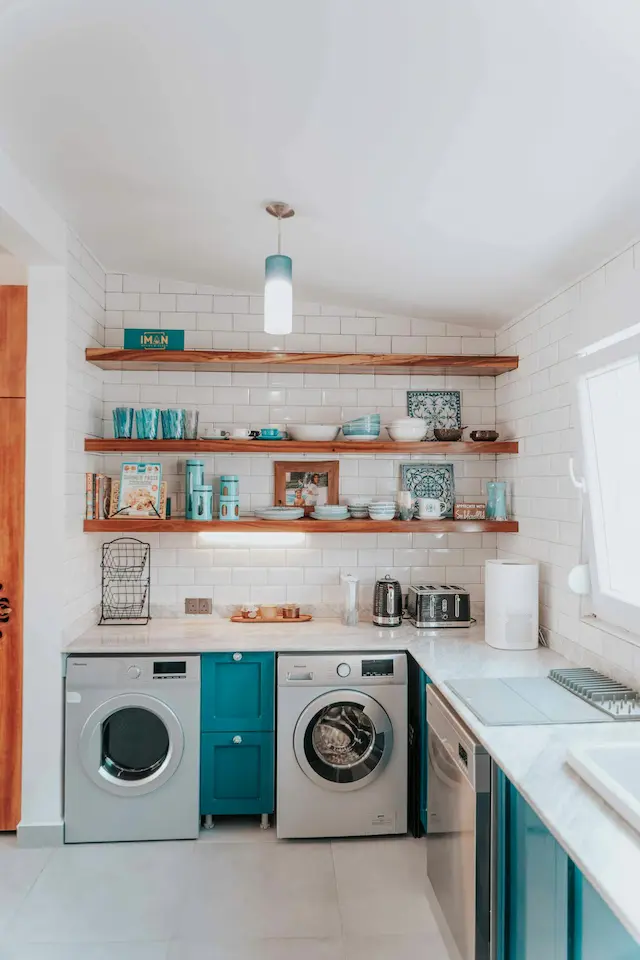
Open shelves are great for Passive-to-Active items that also look good: plates, glasses, pretty bowls, cookbooks. They’re not ideal for:
- Plastic containers
- Random snacks
- Cleaning products
In a small kitchen, I like a mix: a couple of open shelves for visual lightness and personality, with closed cabinets for the rest. That balance keeps your home storage ideas both stylish and realistic.
If you take one thing from this guide, let it be this: smart storage is less about buying more containers and more about intention. Decide what you use, how often you use it, and then give every category a clear, logical home. The result is a space that feels bigger, calmer, and genuinely easier to live in.